

Welcome to a world where the new luxury lifestyle isn’t about more stuff.
It’s about feeling better. Living smarter. Owning less, living richer. And honestly? That shift is turning every assumption about status on its head.
You’ve probably noticed something’s changed. The billionaire no longer flexes a diamond watch or a closet full of designer labels. Instead, they flex their sleep score, their blood work, their time in a remote wellness retreat (offline, obviously). Sixty percent of high-net-worth consumers in the US, UK, and France are increasing their wellness spend in 2026, while another 64 percent are actively reallocating their luxury budgets away from traditional fashion and toward health optimization.
That reallocation isn’t a trend. It’s a fundamental reset of what luxury means.
What Actually Changed: The New Luxury Lifestyle Isn’t About Bags Anymore
For decades, luxury meant acquisition. Ownership. Accumulation. Proof.
The new luxury lifestyle rejects that. In 2026, status is defined by how you live, not what you own, with experiences — travel, wellness, cultural immersion — dominating consumer priorities.
That’s not just a rhetorical shift. Seventy-five percent of luxury consumers prioritize experiences like travel and dining over material goods, with combined spending on experiences reaching 69% of total luxury budgets.
I saw this myself last year. Sat across from a woman worth $200 million. We talked for two hours. She spent maybe two minutes discussing her penthouse. The rest? Biohacking protocols, sleep architecture, and whether she should do another cycle at an anti-aging clinic in Switzerland.
The new luxury lifestyle is about optimization, longevity, and inner peace. It’s about what happens when you have enough money that the thing you actually lack is time, energy, and the feeling of genuinely being alive.
Wellness Has Become the Status Marker of 2026
Here’s what’s wild: The global wearables market hit $87 billion in 2025 and is projected to reach $96 billion in 2026. That’s wearables — not luxury fashion, not watches, not jewelry. Tech you strap to your wrist to monitor your biology.
Gen Z luxury consumers are 84 percent more likely to increase their wellness spending in 2026, and mental health tops their priority list. And it’s not just therapy or meditation apps. High-end coaches are offering personalised mental fitness programs through apps like Calm Premium, with pricing running $500 to $3,000 per month.
The new luxury lifestyle now means:
- Data-driven health: Your Oura Ring or Whoop band isn’t just a tracker. It’s your ticket to Six Senses hotels opening biohacking lounges where you can analyze your data with actual practitioners.
- Mental optimization: Not just “feeling good” — measurable cognitive resilience training and hormone-aligned routines.
- Longevity science: Wellness real estate is already the fastest-growing sector of the wellness economy, with longevity-focused residences still mostly in planning or early development stages, sitting firmly in the luxury tier.
The catch? Luxury consumers are done with data dumps; they want insights that actually translate into action, which means pairing advanced devices with human expertise.
You can’t just hand someone an Apple Watch and call it wellness. The new luxury lifestyle demands precision, personalization, and practitioners who actually understand your biology.
Sustainability Just Stopped Being Optional
Sustainability used to be the luxury world’s awkward obligation. A PR move. Now? Sustainability as innovation is rising in importance, with 25.7% of executives identifying R&D and innovation programs as their top sustainability priority, signaling a shift from compliance to transformative investment in new materials, traceability, and lifecycle management.
What changed the game. The 2026 consumer demands more — purpose, sustainability and emotional connection — expecting to see rental, resale and repair services becoming more mainstream across luxury and fashion retailers, as affluent consumers increasingly prioritise quality over quantity and show an intention to buy less but better.
The new luxury lifestyle means:
- Circular economy thinking: Pre-owned designer bags, vintage watches, and archival fashion are now fully mainstream — especially among younger consumers who see resale as both eco-conscious and financially savvy, with leading brands incorporating resale into their own ecosystems through buy-back and refurbishment programs or partnerships with upscale resale platforms.
- Traceable sourcing: You need to know where everything comes from.
- Longevity over novelty: Initiatives appeal to sustainability-minded shoppers while allowing brands to maintain control over product quality and brand equity, with new business models like rental services, product refurbishment, and fractional ownership of high-value pieces gaining traction, reflecting a shift toward reducing waste and extending product life cycles.
Here’s the truth: the new luxury lifestyle isn’t about being “green.” It’s about being smart. If you buy something that lasts 30 years instead of 3, you’ve just outsmarted the system.
The New Luxury Lifestyle Demands Intention (And Slow Living)
Slowness is expensive now. Time is the luxury good.
In 2026, wellness travel promises something more essential than escape: regulation and restoration, as modern life grows louder, faster, and more demanding, with wellness no longer a side benefit of time away, but its central purpose.
The new luxury lifestyle looks like:
- Intention-led travel: A move from destination-led to intention-led travel, where travelers are less interested in where they go and more focused on how a place makes them feel.
- Nervous system recalibration: Regulating the nervous system is wellness’ next frontier, deploying everything from new consumer neurotech to somatic practices to calm our nervous systems before breakdown occurs.
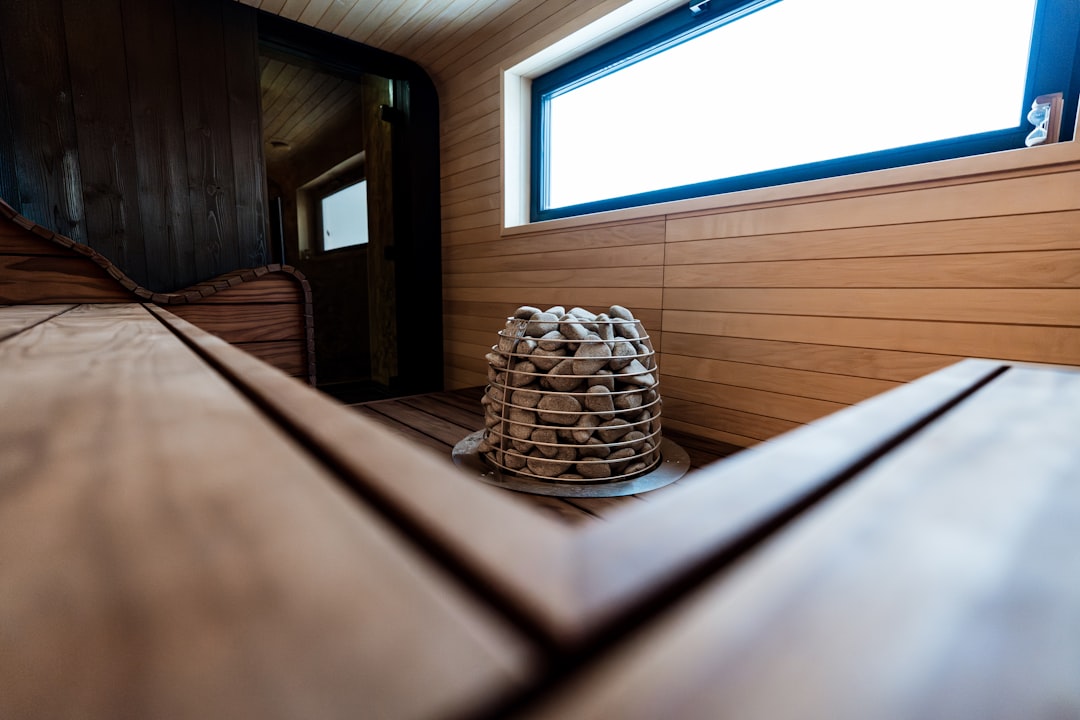
- Nature immersion: As our daily lives become more digitised, wellness travel is returning to raw, untamed environments featuring cliffside meditation decks, remote desert lodges, deep fjord immersions, and off-grid wilderness cabins, where exposure to natural wind, unfiltered light, ambient sound, and vast space provides a profound healing effect.
Paradoxically, achieving this requires money. (Yes, slow living is expensive.) But the goal isn’t to accumulate experiences — it’s to actually feel them.
Frequently Asked Questions
What is the New Luxury Lifestyle, Exactly?
The new luxury lifestyle prioritizes wellness, sustainable practices, and intentional living over material accumulation. It emphasizes health optimization, longevity, and experiences that deliver measurable well-being. For most people, it means spending more on your biology and less on stuff you don’t need.
Why is the New Luxury Lifestyle Focused on Wellness?
Wellness has become the ultimate status marker because it’s measurable, exclusive, and actually matters. Once you have enough money for everything material, the only real scarcity is time, energy, and feeling genuinely vital. The new luxury lifestyle reflects that shift in priorities.
Is the New Luxury Lifestyle Sustainable?
Yes. Sustainability is now central to luxury because it’s smarter. Buying durable goods that last 30 years costs more upfront but saves money and resources over time. Resale markets, repair services, and circular models allow you to enjoy luxury while reducing waste.
How Much does the New Luxury Lifestyle Cost?
That depends entirely on what you prioritize. A high-end wearable costs $300–$500. Mental fitness coaching runs $500–$3,000 monthly. A week at a wellness retreat ranges from $5,000 to $50,000+. The point is you’re choosing where your money goes based on what actually improves your life.
Can Gen Z Afford the New Luxury Lifestyle?
Increasingly, yes — but differently. Gen Z is choosing experiences and wellness over fashion, using resale platforms to access luxury sustainably, and investing in preventative health early. They’re willing to spend money on things that feel meaningful, not just impressive.
The Bottom Line
The new luxury lifestyle isn’t aspirational for most of us yet. But it’s becoming the baseline for anyone with serious money.
The shift is real. And if you’re paying attention — really paying attention — you can see how the next decade of wealth, status, and what we actually value is already here. It’s just not evenly distributed yet.
