

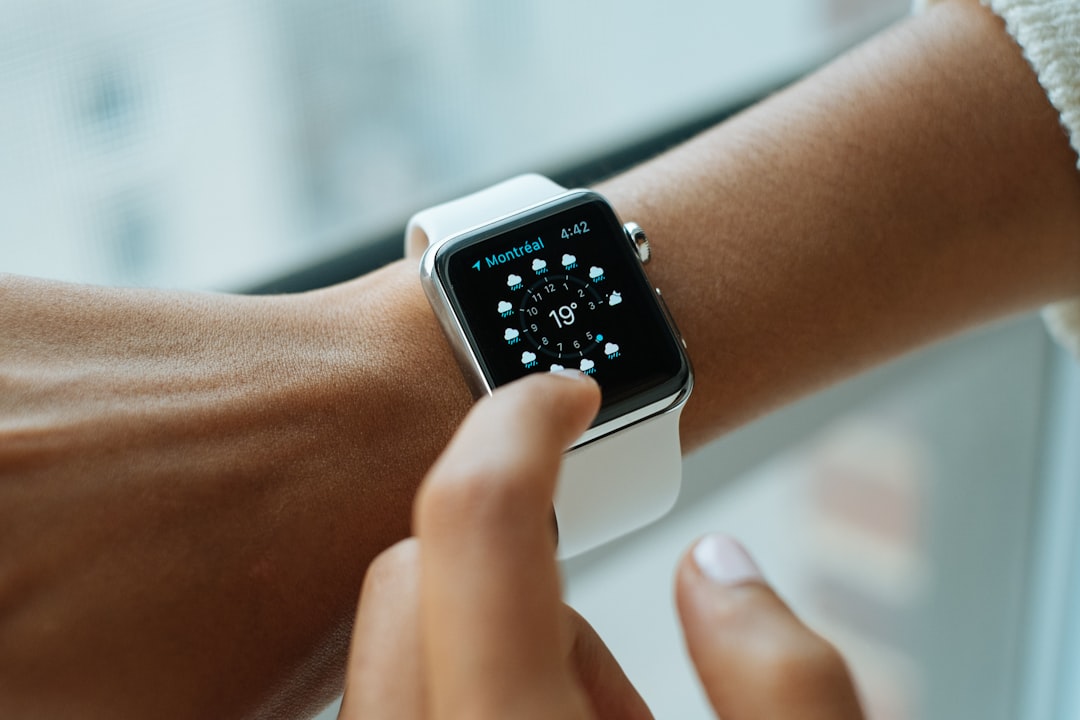
Wearable technology beyond fitness is no longer a niche experiment. It’s everywhere now — your wrist, your ears, eventually your skin.
For years, smartwatches and fitness trackers were all about step counts and calorie burns. That was their whole story. But in 2026, the narrative has shifted dramatically. Consumer expectations for wearable devices are evolving from basic fitness monitoring to more robust personalized health intelligence, and the applications have expanded far beyond morning jogs.
Real talk: when I first bought a smartwatch in 2019, I used it exclusively to track workouts. Last year, I realized I was getting daily alerts about irregular heart rhythms, sleep apnea warnings, and stress levels—none of which I’d ever intentionally set up. The watch just knew. That’s when it hit me: wearable technology beyond fitness had already changed what these devices actually do. Manufacturers just haven’t marketed the shift aggressively enough.
This article digs into where wearables are really heading—and why the expansion matters far more than another 10,000-step goal.
Why Wearable Technology Beyond Fitness is Exploding Right Now
The market is speaking. The smartwatch market is expected to grow from USD 51.8 billion in 2026 to USD 95.2 billion in 2035, at a CAGR of 7%. That growth isn’t coming from people who already own a fitness tracker—it’s coming from people who need medical-grade health monitoring without doctor visits.
In 2026, wearable devices are increasingly integrated with electronic health records and digital healthcare platforms. This integration reduces data gaps and ensures continuity of care. In practical terms, your smartwatch can now talk directly to your doctor’s system. No email screenshots. No manual uploads. Just seamless data flowing where it needs to go.
Here’s the catch: while the overall market is booming, 64% of wearable tech users own wearables mainly to track steps and workouts. But that statistic is misleading. The other 36%—and the new buyers entering the market—are buying for reasons that have nothing to do with fitness. They’re buying because wearables can now:
- Detect irregular heart rhythms before you feel them
- Monitor blood glucose without fingersticks (coming soon for most users)
- Identify early signs of sleep apnea
- Track stress levels in real time
- Send alerts when something’s genuinely wrong
That’s a different product entirely.
Wearable Technology Beyond Fitness in Healthcare: From Sick Care to Prevention
Smartwatches and fitness bands are no longer limited to fitness tracking. In 2026, many are used as supportive tools in healthcare settings. Doctors and care teams can review data shared by patients to gain a clearer picture of their health outside the clinic. This has made these devices valuable for early detection of issues, routine monitoring, and supporting ongoing treatment plans.
Real-world example: a friend’s parent noticed an unusual spike in resting heart rate on her Apple Watch. She mentioned it at her next checkup—something she might’ve otherwise ignored. Her cardiologist saw the trend data and caught an arrhythmia that needed management. No symptoms. Just the watch being smart.
For people living with chronic conditions, wearable devices offer significant benefits. Continuous monitoring allows for early identification of unusual patterns, such as changes in heart rate or activity levels. This can help patients and healthcare providers respond faster to potential problems.
The shift here is massive. Hospitals used to see you once a year. Now they can see you every minute. That’s preventive medicine at scale—if companies and insurers get the data privacy piece right (which is a big if).
Medical-Grade Wearables: When Your Watch Becomes a Device
Here’s where it gets serious. Modern wearables now approach clinical-grade monitoring, enabling early detection of conditions such as arrhythmias, sleep disorders, and metabolic stress — a major step toward preventive healthcare.
Some examples:
For patients with sleep apnea issues, ResMed’s wearable sleep monitoring masks track apneic events, mask usage, and other helpful sleep-related metrics. The detailed, granular insights give physicians a powerful tool for treating sleep disorders more accurately.
Sweat composition can contain biomarkers for conditions ranging from cystic fibrosis to stress levels. This class of non-invasive monitoring tools analyzes the wearer’s sweat, looking for these biomarkers and providing useful insights.
Even hearing aids—literally the oldest wearable medical device—have been reimagined. Modern examples can connect to smartphones and extend their functionality to detect physical activity or falls. Some can even translate languages in real time.
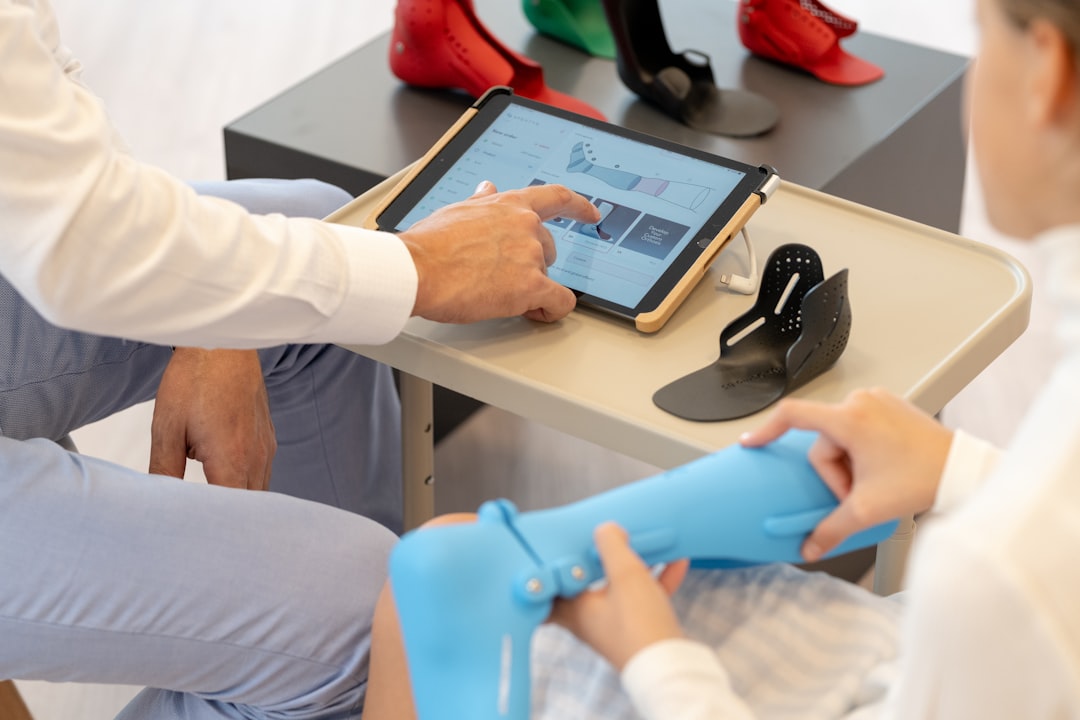
The FDA is starting to approve these devices as legitimate medical tools, not just gadgets. That’s the turning point. Once regulators say “this is real medicine,” insurance companies follow. And once insurance covers it, wearable technology beyond fitness stops being a luxury item and becomes something normal people actually buy.
Smart Glasses and Ar Wearables: Expanding the Definition
You can’t talk about wearable technology beyond fitness in 2026 without addressing smart glasses. They’re arriving faster than most people realize.
The global smart glasses market size was estimated at USD 2,463.6 million in 2025 and is projected to reach USD 14,380.4 million by 2033, growing at a CAGR of 24.2% from 2026 to 2033.
But here’s the thing: nobody’s buying smart glasses to count their steps. The industrial segment accounted for the largest market share in 2025, owing to its deployment on production lines to deliver real-time, step-by-step assembly instructions directly within workers’ field of vision, enhancing task accuracy, operational efficiency, and overall productivity. These factors collectively strengthen the segment’s growth, supported by increasing adoption of Industry 4.0 practices, rising investment in smart manufacturing infrastructure, growing demand for workforce optimization, and continued advancements in industrial AR and wearable computing technologies.
The healthcare segment is expected to register the fastest CAGR from 2026 to 2033. The growth is driven by the integration of heads-up, see-through, and eye-on glass tinting capabilities, which allow clinicians to maintain direct eye contact with patients while preserving full situational awareness and accessing clear, real-time visual information on areas of clinical interest.
Manufacturing floors and operating rooms. Not gyms. That’s where the money is.
Wearable Technology Beyond Fitness in Workplace Wellness (And Workplace Surveillance)
Here’s where I get uncomfortable. UnitedHealthcare’s Motion program covered 4 million policies by the end of 2024, reducing premiums by up to USD 1,500 for members who met daily biometric goals. Vitality’s international rollout showed a 34% lower incidence of cardiovascular admissions among smartwatch participants, prompting Aetna and Humana to co-brand incentive schemes. U.S. regulators capped employer incentives at 30% of total plan costs in May 2024, providing a clear framework that legitimized mandatory wearables in workplace benefits.
Translation: your employer can now give you a financial reason to wear a wearable that monitors your health 24/7. And it’s legal.
Some see this as genius public health. Others see it as privacy erosion. The truth is both.
On one hand, employer wellness programs use fitness tracker data to identify sedentary employees who might benefit from ergonomic assessments or activity challenges. That’s genuinely useful.
On the other hand, once your employer knows your heart rate, sleep quality, and stress levels, they know things about your life that should stay private. I’ve never felt fully comfortable with that trade-off, even though the financial incentives are tempting.
The regulatory guardrails help, but they’re not airtight. Proceed with eyes open.
AI and Machine Learning: Making Wearables Intelligent (Not Just Tracking)
Advanced AI algorithms are dramatically improving the accuracy of wearable health sensors. Machine learning models filter noise, personalize baselines, and detect anomalies related to heart rhythm, blood oxygen, stress, and sleep.
This is the evolution that actually matters. Your old fitness band just tracked data. Your 2026 smartwatch understands data.
It learns what your normal is. It spots when something’s off—even if the change is subtle enough that you wouldn’t notice. It can predict problems before they happen. A landmark study published in The Lancet (2026), drawing on wearable data from more than 135,000 adults, found that even modest increases in daily movement — and small reductions in sedentary time — were associated with meaningfully lower mortality rates.
Let that sink in: researchers can now use wearable data at scale to prove that tiny lifestyle shifts save lives. And your watch learns from that data to give you more accurate, personalized guidance.
Edge Computing in Wearables: Processing Data Without Uploading Everything
2026-era IoT wearables incorporate Edge AI to process data locally, enabling real-time health monitoring (vitals, fall detection) and industrial safety tracking with centimeter-level precision.
This is a privacy win that most people haven’t heard about. Instead of sending all your biometric data to the cloud every second, your wearable now processes sensitive information locally. Only the insights—not the raw data—go to your phone or doctor.
That matters. A lot.
Frequently Asked Questions
What Counts as Wearable Technology Beyond Fitness?
Wearable technology beyond fitness includes smartwatches used for health monitoring, smart rings for sleep and stress tracking, medical-grade patches for vital signs, smart glasses for industrial and surgical guidance, hearing aids with advanced sensors, and even biosensors embedded in clothing. Essentially, any wearable that serves a purpose outside traditional fitness tracking qualifies—medical monitoring, workplace productivity, augmented reality, accessibility, and prevention-focused health all fall into this category.
How is Wearable Technology Beyond Fitness Changing Healthcare?
Wearables are enabling continuous monitoring outside clinical settings, reducing the need for in-office visits and enabling early detection of chronic conditions. Smartwatches can now detect arrhythmias, track blood pressure, monitor sleep disorders, and integrate directly with electronic health records. Doctors can see real-time data, identify trends, and intervene before emergencies occur. Insurance companies are also covering some wearable-based interventions, legitimizing them as medical tools rather than consumer gadgets.
Is Wearable Technology Beyond Fitness a Privacy Risk?
Yes, partially. Employers and insurers can now access detailed biometric data, and regulatory frameworks are still catching up. Edge AI processing helps by keeping sensitive data local, but full privacy depends on strong data governance policies. The FDA cleared some wearables as medical devices, bringing HIPAA compliance, but consumer wearables face less stringent oversight. Users should review privacy policies and understand what data is collected, stored, and shared.
What will Wearable Technology Beyond Fitness Look Like in 2030?
Expect more seamless integration with healthcare systems, more medical-grade sensors built into everyday items (clothing, glasses, accessories), faster AI-driven insights, and broader insurance coverage for preventive wearables. Smart glasses for medical professionals will likely become standard in many hospitals. Continuous glucose monitoring will be non-invasive. Fall detection and senior care monitoring will expand significantly. Regulatory frameworks will probably tighten around data handling and algorithmic accuracy.
Why are Smart Glasses Part of Wearable Technology Beyond Fitness?
Smart glasses represent the next form factor beyond wrists and rings. They’re not designed for step counting—they’re built for augmented reality, hands-free computing, and professional environments. Industrial workers use them for real-time instructions. Surgeons use them for intraoperative guidance. Retail staff use them for inventory checks. They’re becoming essential tools in manufacturing, healthcare, and logistics—entirely disconnected from fitness tracking.
The Real Takeaway
Wearable technology beyond fitness isn’t coming—it’s already here, quietly reshaping how we manage health, work, and daily life. Your smartwatch isn’t just a fancy pedometer anymore. It’s a continuous health monitor that your doctor can actually see. Your smart glasses aren’t a novelty—they’re industrial equipment. Your biometric data isn’t just personal insight; it’s becoming integrated into healthcare and insurance systems.
The catch? This shift requires you to make informed decisions about privacy, accuracy, and what trade-offs you’re actually willing to make. Read the terms. Ask your doctor. Understand what data you’re sharing and why. The technology is genuinely useful. But usefulness without transparency is just surveillance with a friendly face.
