


The train travel comeback among international travelers is no longer a whisper—it’s a roar. From 2019 through 2024, travelers’ cross-border spending on rail tours rose 59 percent compared to 18 percent in spending on cross-border tourism overall. You’re witnessing something genuinely unusual: an ancient form of transport muscling its way back into the consciousness of people who could fly anywhere in the world.
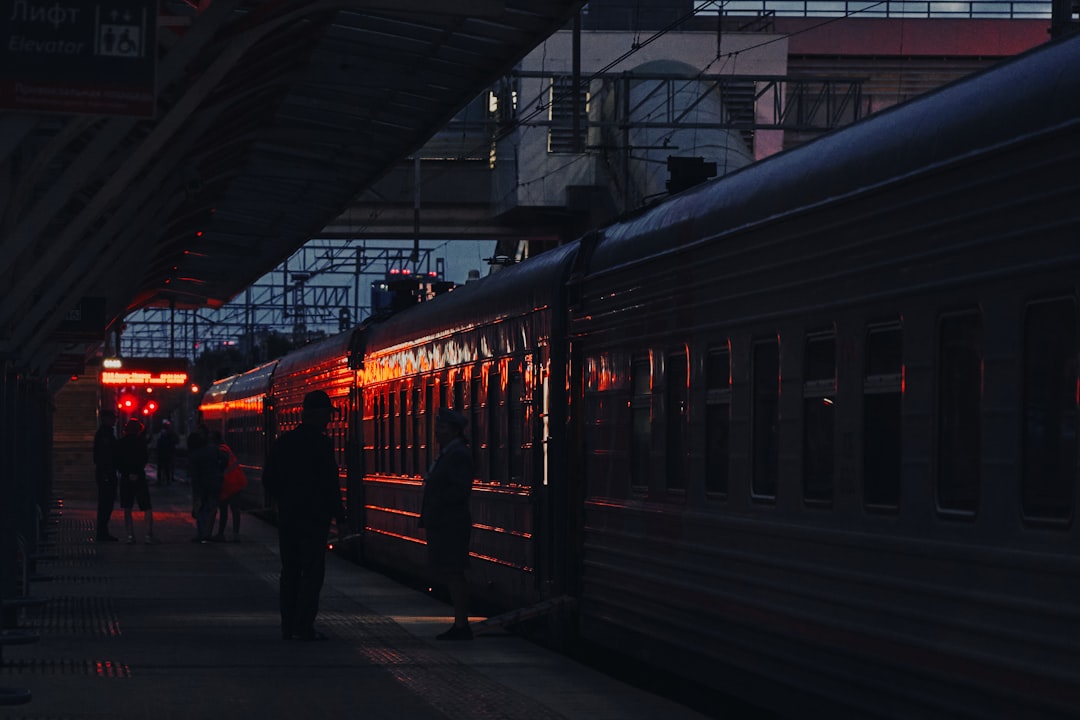
I spent two hours at Zurich Hauptbahnhof last fall, watching families, couples, and solo travelers board sleeper trains for overnight journeys across Europe. No one looked harried. No one was rushing through security. They weren’t trapped in a middle seat. This is the real draw of the train travel comeback among modern travelers. It’s not romantic nostalgia—it’s practical rebellion against the grinding reality of modern air travel.
The Numbers that Can’t Lie: Train Travel Comeback Among Market Expansion
The train travel comeback among travelers isn’t happening in a vacuum. Booking data from Railbookers indicates significant growth for rail vacations in 2026, with travelers looking for longer trips and booking well in advance, with the company reporting year-over-year increases across its 6-continent portfolio, signaling high demand for train travel worldwide.
Here’s what the numbers actually look like:
- The United Kingdom leads destination growth with a 186 percent increase in passengers
- Germany and France have also achieved triple-digit growth rates
- The average Railbookers journey in 2026 is expected to last 11 days, reflecting travelers’ growing desire for more extensive experiences
The train travel comeback among international bookers shows a pattern: people are booking longer, more immersive trips. They’re not treating trains as a quick hop between cities—they’re building entire vacations around them. Aggregated traveler data from more than 40 countries indicates that, above and beyond the initial cost of the rail tour, train travelers spent an average of 72 percent more than non-train travelers.
Why Now? the Perfect Storm of Flight Costs and Climate Guilt
Flight prices have become absurd. I’m not exaggerating. A round-trip ticket from London to Berlin can now run you $400+ in peak season—for a two-hour flight. Meanwhile, rising long-haul flight costs and inflation are pushing travelers to favor short, accessible drives across borders for tourism, shopping, and family visits.
But price is only half the equation. In light of climate change, flygskam (Swedish for flight shame) and the ease of arriving at a city-centre train station instead of the hassle of a far-flung airport, the world is all aboard for train travel. You arrive in the heart of Paris, not 45 minutes outside the city. No security theater. No $30 parking at the airport.
The sustainability angle isn’t propaganda either. Train travel is genuinely lower-carbon than flying. And younger travelers—who genuinely care about this—are voting with their bookings. The train travel comeback among eco-conscious travelers has created a feedback loop: demand goes up, operators invest in better trains, and the experience improves.
There’s a paradox here though (yes, really): some of the best deals are vanishing. In the UK, high rail prices mean that many travelers are still likely to choose a flight for a short domestic trip. So while international rail is booming, domestic UK rail remains expensive and underused. It depends on where you are and what you’re doing.
The Luxury Reimagining: Train Travel Comeback Among the Affluent
This isn’t your grandparents’ railway anymore. The train travel comeback among luxury travelers has created a whole new category. The Britannic Explorer is England’s first luxury sleeper train, which launched in 2025, with this service from luxury operator Belmond taking in the scenery of Cornwall, Wales and the Lake District with departures from London.
Saudi Arabia will launch its first luxury rail service, the Dream of the Desert train, beginning in fall 2026, which will traverse the Arabian Peninsula between Riyadh and Al Qurayyat, with the 14-carriage train featuring 34 suites.
What’s happening here is real: Train travel is making a comeback, drawing adventurers with its scenic routes, nostalgic charm and slower eco-friendly pace, with this trend tracking with a rise in older, affluent travelers seeking both comfort and convenience to explore the world.
The train travel comeback among wealthy travelers has also changed the social makeup of rail journeys. Multi-gen family travel has become increasingly popular, with groups spanning three generations choosing train travel for its accessibility and comfort, with honeymoon travel being another growing segment, and couples opting for custom, independent rail vacations across multiple European countries.
Infrastructure is Finally Catching Up: Train Travel Comeback Among European Networks
Europe is doing something radical: making cross-border train travel actually work. The European Union plans to make booking train travel in Europe a lot easier, helping passengers to compare and buy tickets in a single transaction, with railway companies forced to sell rivals’ tickets on their websites and share data with booking platforms.
Imagine: one ticket for multiple countries. One booking system. No nightmare of coordinating three separate purchases and hoping you make your connection.
Switzerland’s rail corridors such as Basel–Zurich–Milano and Geneva–Lyon remain vital for international visitors who prefer scenic rail over aviation for short to mid‑distance travel. These corridors move tens of thousands of tourists annually—people who chose a train over a car rental or budget flight.
The train travel comeback among infrastructure investors has also meant something less glamorous but more practical: In 2026, a new chapter in rail‑based travel across Eurasia has been opening, with Turkey’s Northern Ring Railway and Kazakhstan’s twin projects laying the foundations for a different kind of journey between Asia and Europe.

Night Trains: The Secret Weapon of the Train Travel Comeback Among Budget Travelers
Here’s the thing: Night trains are making a comeback in Europe, with these trains typically leaving late at night and arriving early the next morning, providing travelers with an alternative to flying when traveling by night. You sleep while you travel. No hotel bill. No wasted day crossing a border.
Sleeper trains in Europe are also going luxe, with La Dolce Vita Orient Express starting high-end trips around Italy in 2025 in vintage refurbished carriages. You’re not just getting from point A to point B—you’re doing it in restored 1950s compartments with white tablecloths and actual china plates.
This is why the “Rail Renaissance” is no longer just a trend; it is the new standard of travel in Europe, as flight prices soar and travelers seek sustainable alternatives, with night trains making a massive comeback.
Who’s Actually Booking These Trains (And Why)
The train travel comeback among different traveler types is revealing. More than two-thirds of all rail travelers are intra-regional, with U.S. visitors accounting for one out of every four, according to estimates based on the number of Visa credentials used to purchase rail tours in Canada, Peru, Mexico and Argentina.
Americans are discovering trains. That’s wild when you think about how car-dependent the U.S. is. But in 2026, Amtrak, the United States’ only nationwide passenger rail service, is introducing new carriages to its medium-distance trains, including the Northeast Regional (Washington, DC to Boston) and Amtrak Cascades (Portland, Oregon to Vancouver, Canada).
Most 2026 bookings are occurring approximately 11 months before departure. These aren’t impulse vacations. People are planning them deliberately, saving space in their calendar, budgeting carefully. It feels intentional—the opposite of clicking “book now” on a budget airline at 2 a.m.
Frequently Asked Questions
What’s Driving the Train Travel Comeback Among International Travelers?
The train travel comeback among travelers is driven by a mix of rising flight costs, climate concerns, and the appeal of slower, immersive travel. Rising long-haul flight costs and inflation are pushing travelers to favor short, accessible drives across borders for tourism, shopping, and family visits. Add in the convenience of arriving in city centers rather than distant airports, and you get a compelling case.
Is Train Travel Actually Cheaper than Flying?
Not always. It depends. In Italy, it’s been estimated that intercity rail competition has slashed fares by as much as 25 percent. In the UK, trains often cost more than budget airlines. But when you factor in that you don’t pay for hotel nights (on sleeper trains) and you arrive in the city center without transport costs, the train travel comeback among budget-conscious travelers makes financial sense.
Can You Use a Single Ticket for Train Travel Comeback Among Multiple European Countries?
The EU is working on it. The European Union plans to make booking train travel in Europe a lot easier, helping passengers to compare and buy tickets in a single transaction, with railway companies forced to sell rivals’ tickets on their websites and share data with booking platforms. For now, most multi-country journeys still require separate bookings, but this is changing rapidly in 2026.
Which Destinations are Seeing the Biggest Train Travel Comeback Among Travelers?
The United Kingdom leads destination growth with a 186 percent increase in passengers. Italy and Switzerland are also exploding with bookings. Italy and Switzerland rank as the top single-country honeymoon destinations. Germany and France are growing at triple-digit rates as well.
Are Luxury Trains Just for Rich People?
Mostly. Though night trains typically offer reclining seats, couchettes, and shared or private cabins, and they’re a little less about luxury and more about providing a greater amount of people with a comfortable and convenient way of getting around. Budget sleeper trains can be affordable; ultra-luxury trains cost thousands per night. The train travel comeback among all income levels means there’s genuinely something for everyone.
Here’s What You Actually Need to Know
The train travel comeback among modern travelers is real, measurable, and accelerating. It’s not a trend that’s going to fade when flight prices drop (they won’t) or when people get tired of sustainability (they won’t).
What matters is this: if you’re planning a trip to Europe, the UK, or even parts of Asia in the next 12 months, you should seriously consider rail. Book 10–11 months out if you want the best inventory. Expect to spend more on the ticket itself but less overall because of how you’ll travel once you arrive. Accept that some routes are still overpriced (looking at you, UK domestic rail). And understand that you’re not traveling in 1890—you’re traveling in 2026, in trains that were refurbished last year with WiFi, real food, and actual space.
The train travel comeback among international travelers is happening now. You can hop a budget flight and arrive exhausted at some suburban airport, or you can board a sleeper train at 11 p.m. and wake up in the heart of a new city, ready to actually explore. One of those feels like 20th-century travel. The other feels like what the future should have been all along.
