


Digital health records modern systems have moved beyond the hype stage. In 2024, 99% of hospitals offered patients the ability to view their records electronically, 96% could download, and 84% could transmit to third parties. This isn’t a future promise anymore — it’s happening right now, reshaping how care gets delivered, how patients engage, and how healthcare organizations actually run.
Here’s what matters: adoption rates don’t tell the real story. The real story is what happens after the software gets installed.
What Digital Health Records Modern Systems Actually do
Let’s get concrete. Digital health records modern healthcare is fundamentally different from what we had ten years ago. EHRs have revolutionized the way healthcare providers deliver patient care by replacing traditional paper-based systems with digital records. These digital systems enable healthcare professionals to access patient data securely, make informed decisions, and collaborate effectively across the care continuum.
But here’s the catch: accessibility doesn’t equal usability. I once watched a cardiologist waste five minutes clicking through nested folders in an EHR system, hunting for a lab result that should have been flagged automatically. Digital doesn’t automatically mean smarter.
What digital health records modern systems can do, if built right:
- Pull patient history in seconds instead of minutes
- Flag drug interactions before a prescription gets written
- Let a patient review their own records and ask questions in real time
- Share data between clinics so a patient doesn’t repeat the same tests twice
The last one matters more than you’d think. Many healthcare systems are still fundamentally broken at sharing information.
Digital Health Records Modern Systems and Cost Savings that Actually Materialize
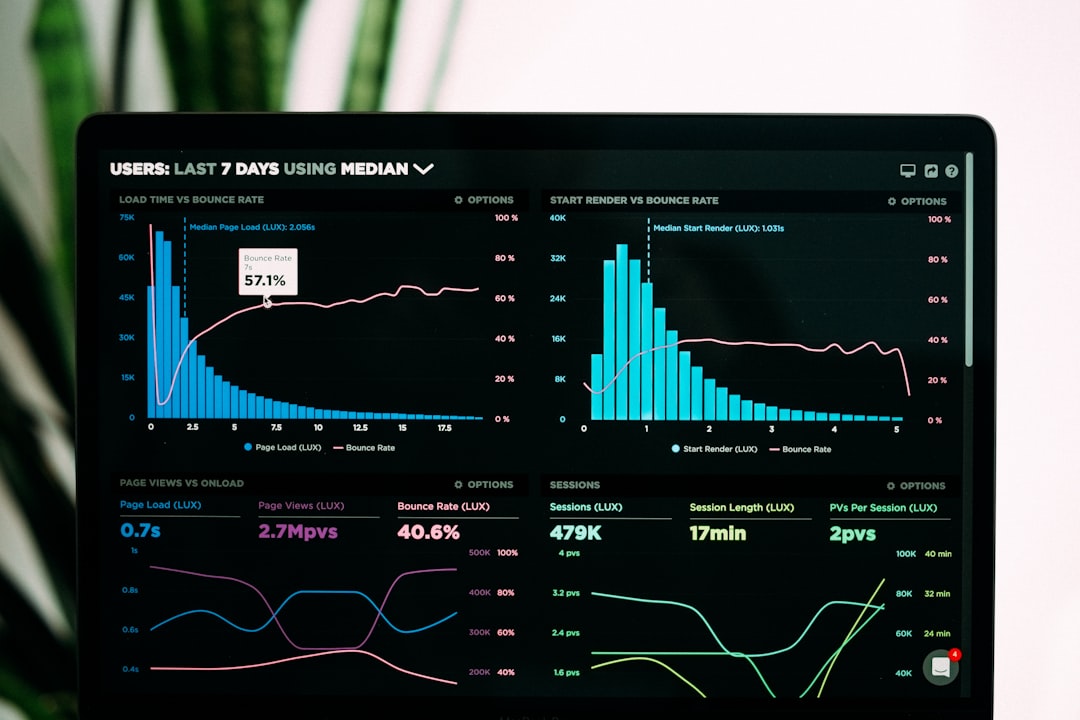
The numbers are real. By 2026, revenues are forecasted to rise to $31.7 billion, subsequently increasing to $33.4 billion in 2027. But revenue growth doesn’t tell you whether your hospital is saving money.
EHR interoperability positively influenced medication safety, reduced patient safety events, and reduced costs. The cost reduction comes from a few places:
- Fewer duplicate tests. When you can actually see that a patient had blood work done last week, you don’t order it again.
- Better medication management. Catching drug interactions before they create an ER visit saves money on both sides.
- Faster billing and coding. Automated systems catch incomplete records faster than humans flipping through charts.
There’s a contradiction worth mentioning though: legal professionals still face significant challenges retrieving records from these systems due to fragmented data exchange protocols and provider-specific workflows. So even with 96% adoption, the integration isn’t seamless. Digital health records modern systems have adopted widely, but they’re not talking to each other yet.
Digital Health Records Modern and Interoperability: Where the Real Problem Sits
This is the unglamorous part nobody wants to talk about. Adoption is easy. Integration is brutal.
True EHR interoperability has still not been achieved. Think about that. We’ve spent billions, built enormous systems, and we still can’t reliably send a patient’s CT scan from Hospital A to Hospital B without calling someone on the phone.
Interoperability makes it possible for you to understand what issues your patient’s primary care doctor uncovered in their last exam, and see what happened when they went to an emergency room while they were on vacation. Sounds obvious, right? It’s not. Many doctors today still can’t access that information automatically.
The barriers are real. One of the most persistent ehr interoperability challenges is vendor lock-in. Many large EHR vendors operate proprietary ecosystems, making it difficult for clinics to integrate with external systems without costly custom development.
What’s actually working? The most widely recognized standard is FHIR (Fast Healthcare Interoperability Resources). But standards don’t solve everything — they just make it possible to solve things.
The Patient Experience: When Digital Health Records Modern Actually Matters
The utilization of EHR features such as viewing, downloading, and transmitting health records online has witnessed a substantial increase from 2013 to the present, surging from 10% in 2013 to over 70% now.
Patients notice this change. You can log into your patient portal (most of the time) and see your test results before your doctor calls. You can message your provider directly instead of waiting for a callback. You have a record of what was discussed at your last visit.
Here’s where it gets interesting: patients want more. They want to see their real-time data. They want explanations in plain language. They want to share their records with specialists without playing telephone tag with medical records departments.
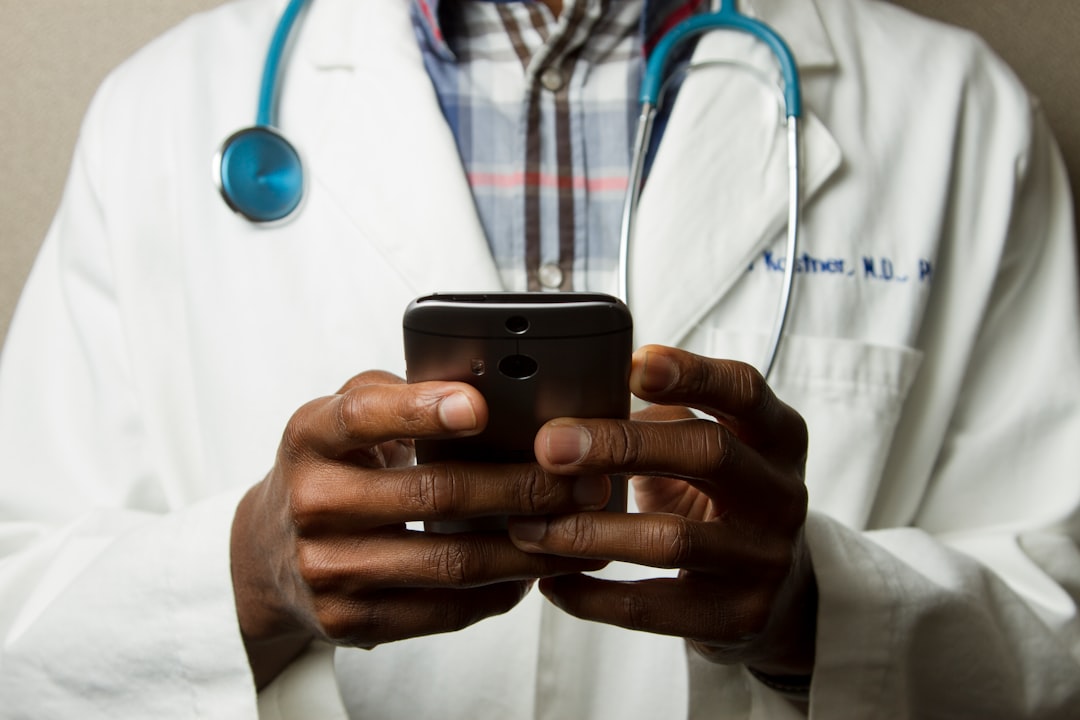
Some hospitals are getting this right. Others are still forcing patients through clunky systems that look like they were designed in 2008.
How Digital Health Records Modern Systems are Reducing Medical Errors
With a central repository for all patient information, clinicians can always act on up to date information, which reduces the potential for medical errors and improves patient safety.
The example everyone cites: medication errors. When a patient’s complete medication list is visible to every provider seeing them, you eliminate the scenario where someone prescribes an antibiotic that interacts badly with something they’re already taking. Prevention, not firefighting.
But — and this is a significant but — this only works if the data is accurate and actually gets updated. Garbage in, garbage out. A patient’s digital record is only as good as the clinician who filled it out (and the overworked staff who had to key it in).
Digital Health Records Modern: The Challenges that Never Get Solved
Look, adoption is growing. Primary care doctors lead in the adoption of certified Electronic Health Records (EHRs) with a rate of 79%. In community healthcare centers, medical practitioners have an impressive EHR adoption rate of 98%, with approximately three-quarters using certified EHRs.
But adoption doesn’t mean things are working smoothly. Providers still complain about:
- Alert fatigue. So many flags that real emergencies get buried
- Slow systems. Electronic doesn’t always mean fast
- Workflow disruption. Systems designed by people who’ve never treated a patient
- Training gaps. Staff never get the three-day intensive course they actually need
These are human problems, not technology problems. Digital health records modern systems are only as effective as the people using them.
Frequently Asked Questions
What Exactly are Digital Health Records Modern Systems Replacing?
Digital health records modern systems replaced paper charts, filing cabinets, and the need for someone to manually search through years of documents to find a test result from 2019. They also replaced the system where a patient had to get records transferred between hospitals by hand, waiting weeks for delivery. Now information moves in seconds.
How do Digital Health Records Modern Systems Improve Patient Safety?
Digital health records modern platforms flag drug interactions automatically, maintain a single source of truth for a patient’s medication list, and reduce the chance that a crucial allergy note gets missed. They create alerts for abnormal lab values and make it harder for critical information to slip through the cracks like it did in paper-based systems.
Are Digital Health Records Modern Systems Secure?
Most certified digital health records modern systems include encryption, access logs, and HIPAA compliance. But “secure by design” and “actually secure in practice” are different things. Security depends on who’s using the system, how they’re trained, and whether the organization takes it seriously. A doctor who writes their password on a sticky note is the real security weakness.
Can Digital Health Records Modern Systems Talk to Each Other Yet?
Partially. EHR interoperability allows healthcare data to be shared between different EHR systems helping healthcare providers provide better patient care. But the fact that this needs to be emphasized means the answer is really “not well enough yet.” Standards exist. Real-world integration still takes effort, time, and money.
What will Digital Health Records Modern Look Like in 2027?
Honestly? More AI integration. More patient-facing transparency. More pressure on vendors to actually interoperate. The systems themselves probably won’t look dramatically different — but the way data flows through them, and what gets automated, will change significantly.
The Actual Takeaway
Digital health records modern systems have fundamentally changed healthcare infrastructure. Adoption is nearly universal. The technology works. But the transformation is still incomplete.
What matters now is depth, not breadth. Integration across systems. Better training so physicians actually use the tools available to them. Patient engagement that goes beyond just viewing a record to actually participating in their own care.
The real question isn’t whether we have digital health records modern systems. We do. The question is whether we’re going to actually use them to deliver better care, or if we’re just going to use them to generate more data that sits in silos.
If you work in healthcare, you’re probably already living this. If you’re a patient, you’ve probably noticed your doctor has a computer now. The next five years will determine whether that’s a genuine improvement or just a expensive way to do the same old thing faster.
Medical disclaimer: This article is for general informational purposes and is not medical advice, diagnosis, or treatment. Always consult a qualified physician or healthcare professional for guidance specific to your condition. Do not start, stop, or change any treatment based solely on what you read here.
Legal disclaimer: This article is for general informational purposes and is not legal advice. Laws and regulations vary by jurisdiction and change over time. Consult a qualified lawyer or attorney licensed in your jurisdiction for guidance specific to your situation.

2 Comments
Pingback: Future Gene Therapy Emerging in 2026: 20 FDA Approvals
Pingback: Growing Role Precision Medicine in 2026: What's Changing