

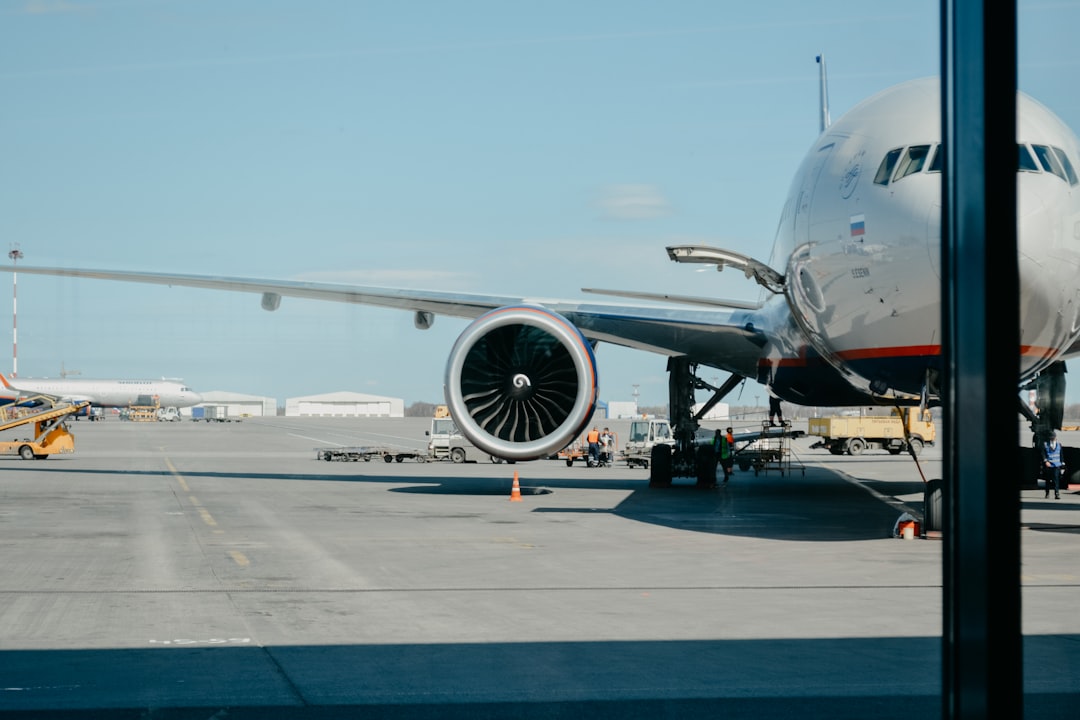
You wake up at a gate, boarding pass in hand. The engines on Flight 847 to Singapore are already running. Here’s something you probably don’t think about while waiting for your coffee at 6 AM: that aircraft might be burning sustainable aviation fuels transform today’s entire model of how we fly. Not some fantasy version of flying. Your actual flight.
Sustainable aviation fuels transform the mathematics of aviation decarbonization. They’re not a future technology — they’re in the tanks of commercial airliners right now, blended with conventional jet fuel, doing real work. But adoption is moving slower than almost anyone predicted five years ago. In 2026, global SAF production is expected to reach approximately 2.4 million tonnes (Mt), accounting for 0.8% of total annual jet fuel consumption. That’s it. Less than one percent of global aviation fuel.
So what’s the holdup? And more importantly — what happens when sustainable aviation fuels transform from a niche solution into something airlines actually use at scale?
What Exactly is Sustainable Aviation Fuel?
Let’s start simple. SAF is safe, certified, and already in use on commercial flights today. As a drop-in fuel, it can be blended with conventional aviation fuel and readily used without requiring any modifications to aircraft or airport infrastructure.
That last part matters more than you’d think. It can be made from many different sustainably sourced materials, such as used cooking oil, biomass waste and residues, and renewable energy and carbon. Some of it comes from waste streams. No new farmland necessary (at least not in theory — we’ll circle back to that).
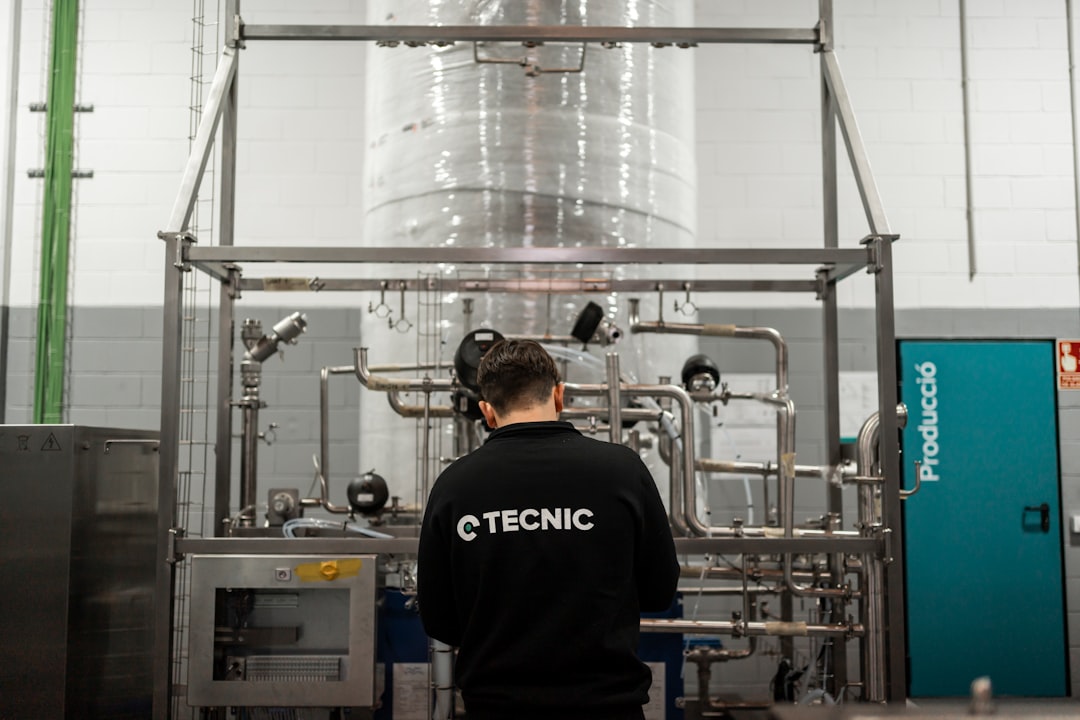
The chemistry works. Aircraft engines don’t care whether the kerosene came from a Saudi oil field drilled in 1985 or from yesterday’s deep fryer at a restaurant in Portland. That’s the beauty of “drop-in” fuels.
But here’s where it gets real: making SAF is expensive. Volatile, even. SAF pricing is expected to remain well above conventional jet fuel through 2026. And if you’ve booked a flight recently, you know airline margins are already paper-thin.
Sustainable Aviation Fuels Transform Environmental Impact ??? but Not Overnight
The environmental case for sustainable aviation fuels transform everything about aviation’s decarbonization math. SAF can significantly reduce lifecycle carbon emissions, typically by around 80% compared to conventional aviation fuel.
Let’s be concrete. If you fly round-trip from New York to London, your flight generates about 0.6 tonnes of CO₂. SAF is expected to deliver around 65% of the emissions reductions needed for aviation to reach net zero CO₂ emissions by 2050. That’s the big picture. Over the next 25 years, sustainable aviation fuels transform almost two-thirds of aviation’s decarbonization challenge.
The emission cuts extend beyond carbon, too. SAF contributes to air quality improvements by reducing particulate emissions by up to 90% and virtually eliminating sulfur emissions, leading to cleaner air—benefiting both the environment and aviation. If you live downwind of a major airport, that matters.
There’s a catch, though. Under new guidance, Inflation Reduction Act tax credits for “sustainable” aviation fuel will go to options like corn ethanol, which increase carbon emissions and food insecurity. Not all SAF is created equal. Some feedstock choices undermine the whole environmental argument.
The Supply Crunch that Nobody’s Solving
Here’s what frustrates industry insiders most: sustainable aviation fuels transform the long-term trajectory of aviation, but the near-term bottleneck isn’t technology. It’s feedstock.
Feedstock availability remains the most significant limiting factor for SAF scale-up. We can make the stuff. We have refineries online. Phillips 66, World Energy, Montreal-based Gevo — they’re all ramping capacity. But where do you get the raw material?
Used cooking oil? There’s only so much of it. 140 SAF projects are underway, by more than 100 producers spanning 31 countries (as at May 2026). That sounds like a lot. But pull back to the global picture: To support the aviation sector’s pathway to net zero emissions by 2050, annual SAF supply will need to expand to around 500 Mt, requiring production to increase by more than 250 times over the coming decades.
Two hundred fifty times. That’s what sustainable aviation fuels transform when you actually do the math.
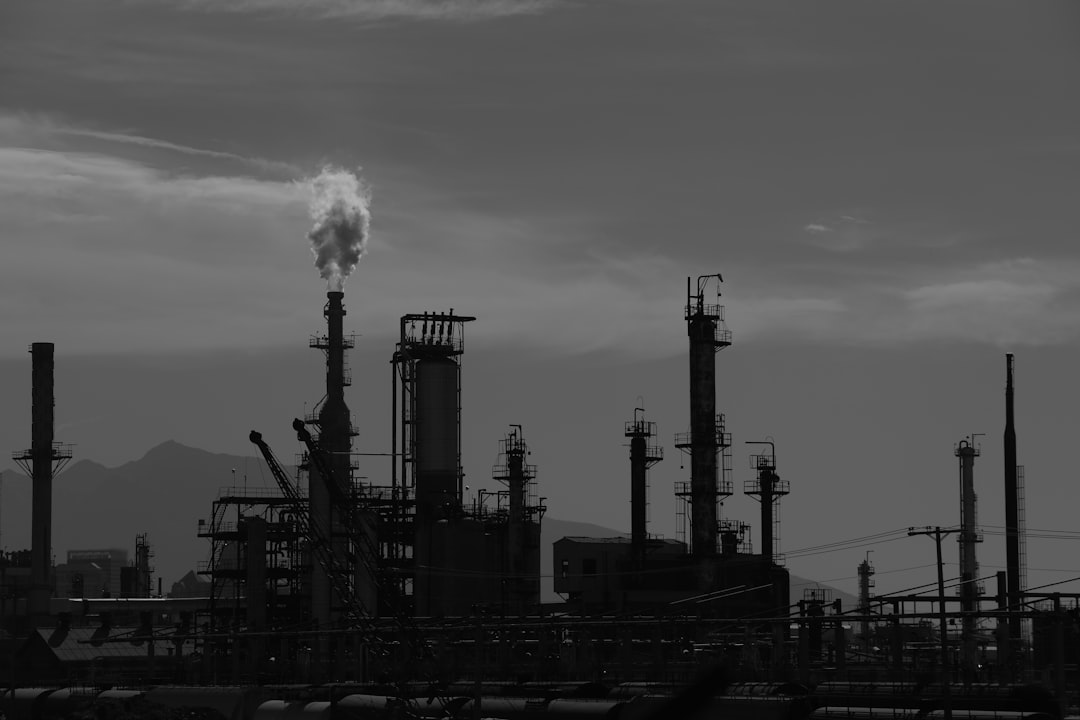
The reality: 5–30 percent blends provide a practical approach for scaling sustainable aviation fuel market growth while supply constraints persist. Most airlines are blending SAF at 5–10% today because that’s all that’s available without disrupting their fuel supply chains.
Sustainable Aviation Fuels Transform Airline Economics ??? but Airlines Aren’t Happy About it
Airlines have a problem. They’ve committed to net-zero emissions by 2050. (Well, most of them. Some are quieter about it than others.) But they also have quarterly earnings targets.
Airlines are projected to spend $4.3 billion on SAF this year, but production remains far below levels needed for decarbonization goals. That’s 2026 spending. Four billion dollars. For less than one percent of their fuel.
Here’s the economic trap: sustainable aviation fuels transform what it costs to fly, at least marginally. If airlines pass those costs to passengers, ticket prices tick up. Customers notice. If they absorb the cost themselves, margins compress. Neither option is popular.
SAF remains more expensive than conventional jet fuel, and lower blending ratios help airlines balance sustainability commitments with fuel cost control. As production capacity increases and economies of scale improve, higher blending levels may become economically viable. Theoretically. We’re waiting on scale that hasn’t arrived yet.
Frequently Asked Questions
What does it Mean When We Say Sustainable Aviation Fuels Transform the Aviation Industry?
When sustainable aviation fuels transform the industry, it means they’re moving from being a compliance gesture to becoming genuinely essential infrastructure for decarbonization. The transformation includes changing how planes are fueled, where fuel is sourced, and what airlines pay for fuel. It’s structural, not incremental — though progress is slow.
How Quickly will Sustainable Aviation Fuels Transform Airline Operations by 2030?
Meaningful transformation by 2030 requires three things: significantly higher production volumes (we’re nowhere near that now), regulatory mandates that force adoption, and cost parity with conventional jet fuel (which won’t happen by 2030). Expect modest blending increases to 10–20% for some operators. Full fleet transformation? That’s a 2040+ story.
Is Sustainable Aviation Fuels Transform the Same as Net-Zero Aviation?
No. SAF is expected to deliver around 65% of the emissions reductions needed for aviation to reach net zero CO₂ emissions by 2050. No other solution currently offers a greater potential impact on aviation’s decarbonization. SAF handles most of the work, but you also need operational improvements, more efficient aircraft, and potentially carbon removal technologies.
Why Aren’t Oil Companies Investing More in Saf if Sustainable Aviation Fuels Transform Aviation?
Walsh attributed the slow progress to ineffective government policies and what he described as a lack of interest from oil companies in expanding production capacity. Oil majors make money on volume and scale. SAF is small, nascent, and regulated more heavily than conventional fuels. It’s a distraction from their core business until policy changes make it unavoidable.
What’s the Difference Between Current Saf Blends and the Goal for Sustainable Aviation Fuels Transform?
Today: blends of 5–10% SAF. Target: we need to get to 50% SAF blends within 5–10 years, and 100% SAF eventually. Current blends prove the concept works. Scaling to higher percentages proves we can actually decarbonize aviation. That’s where the real transformation lives.
The Real Obstacle Isn’t Technology
I spent a morning last year talking with an aviation fuel engineer at one of the largest North American refineries. She was frustrated. Not because sustainable aviation fuels transform problems are unsolvable — they’re not. But because the bottleneck is political and logistical, not technical.
“We can make more SAF,” she said. “But we can’t get enough feedstock, and the mandates keep changing. We need clarity.” That’s the honest version. Technology works. Production is scaling. But policy uncertainty and feedstock competition are eating up years we don’t have.
Airlines claim they want sustainable aviation fuels transform their fleets. Governments say they support it. But when you look at actual capital deployment and regulatory teeth, the signals are mixed.
What Actually Matters: The Transition will be Messy
Here’s my hot take: sustainable aviation fuels transform aviation, but not the way the marketing materials suggest.
The transition won’t be smooth. It won’t be driven by perfect environmental choices. In 2026, SAF growth is likely to concentrate in jurisdictions with clearer, bankable policy frameworks. That means Europe and North America get SAF first. Smaller markets and developing-nation airlines get delayed access.
The real transformation happens when sustainable aviation fuels transform from being a luxury for premium airlines into baseline infrastructure. That requires production to triple or quadruple in the next 3–5 years. The physics of that is achievable. The politics? Much less certain.
When you book your next flight, sustainable aviation fuels transform a small fraction of it — maybe 5%, maybe 10%. It’s real progress. But it’s also a reminder that fixing climate change at the scale of global aviation isn’t about waiting for one silver bullet. It’s about pushing a dozen imperfect levers simultaneously, knowing some will stick and others won’t.
Your flight will probably burn mostly conventional jet fuel for years. But sustainable aviation fuels transform the trajectory. The trend line is finally pointing the right direction. It’s just moving slower than anyone wants it to.
