

Local craft experiences valuable tourism assets are no longer a nice-to-have addition to someone’s vacation—they’ve become the draw. Craft classes were Tripadvisor’s fastest-growing experience category in the first half of the year, with bookings up 88% year over year. This isn’t a blip. It’s the unmistakable sound of how people want to travel now.
For too long, tourism looked like a checklist: snap a photo at the landmark, grab a generic souvenir, move on. Tourists got bored. Locals resented the intrusion. Everyone walked away feeling a little hollow. But something has shifted. According to a recent Oxford Economics report, 72% of travellers prefer spending money on local activities over traditional sightseeing. That’s not just a preference—that’s a complete reordering of what tourism means.
The real opportunity isn’t just for travelers hunting for meaning. It’s for communities, artisans, and destinations that can offer local craft experiences valuable to both sides of the equation. Here’s why this matters, and what you need to know.
What Local Craft Experiences Valuable Tourism Assets Really are
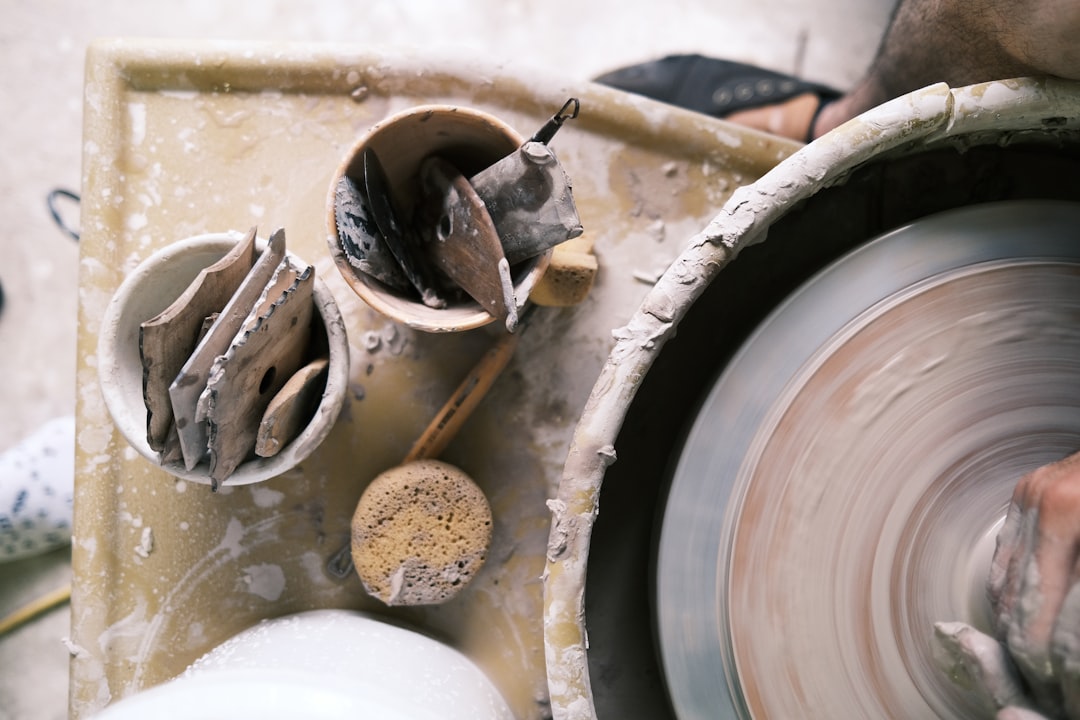
When we talk about local craft experiences valuable to the tourism economy, we’re not talking about buying a mass-produced “artisan” mug from a tourist trap. We’re talking about the real thing: a visitor standing in a pottery studio in Portugal, hands covered in clay, learning from a master who’s been throwing pots for thirty years. Or sitting in a textile workshop in Oaxaca, learning indigo-dyeing techniques passed down through generations. Or (if you’re lucky) squeezed into a tiny lacquerware studio in Kyoto, watching someone apply the 15th layer of finish to a single wooden bowl.
The growing experiential tourism trend, where travelers actively participate in craft workshops and artisan village visits, is further strengthening the connection between tourism and handicraft consumption. These aren’t passive observations. They’re participatory. You’re making something. You’re learning. You’re sweating a little, maybe messing up, definitely getting invested.
This is why local craft experiences valuable opportunities exist across so many regions. Japan’s prefectural governments across Kyoto, Kanazawa, Nara, and Oita have invested heavily in “monozukuri” (the art of making things) tourism programs that connect visitors with master artisans in lacquerware, indigo dyeing, pottery, and paper-making, with craft tourism revenues growing by 22% in 2025 alone.
Why the Numbers Don’t Lie: Market Reality for Local Craft Experiences Valuable Segments
Let’s ground this in the actual money being spent. The global craft workshop tourism market was valued at $1.84 billion in 2025 and is projected to grow at a CAGR of 9.3% from 2026 to 2034, reaching approximately $4.12 billion by the end of the forecast period. That’s roughly 4.2 billion reasons why destinations and platforms are suddenly serious about this space.
But that’s just the direct bookings for workshops. The broader picture is even more compelling. The arts and crafts market will grow from $47.35 billion in 2025 to $50.7 billion in 2026 at a compound annual growth rate (CAGR) of 7.1%. A lot of that consumption is happening because people travel to destinations, participate in experiences, and then keep buying those same types of items (or supporting those artisans) when they get home.
Here’s the thing though: the money is real, but it’s not evenly distributed. Europe accounts for approximately 34.2% of global craft workshop tourism revenues, generating around $630 million, and benefits from an unmatched density of UNESCO-recognized intangible cultural heritage sites and centuries-old artisan guilds. Meanwhile, Asia Pacific is the fastest-growing geography in the craft workshop tourism market, projected to grow at a CAGR of 11.4% during 2026-2034, powered by a rapidly modernizing domestic travel market and a rich tapestry of living craft traditions.
Translation? If you’re a destination outside Europe, this is your moment. The wave is just beginning to swell.
The Psychology Behind Why Tourists Actually Want Local Craft Experiences Valuable to Them
You need to understand what’s really driving this. People aren’t just tired of selfie sticks and crowded plazas. They’re searching for something deeper: a sense of connection, authenticity, and—honestly—proof that they’re not just another tourist drone.
Travelers are increasingly looking for experiences that let them step into local culture, rather than just observe it. Observation is passive. Making is active. When you spend two hours learning to tie-dye silk in a workshop run by someone’s grandmother, you’re not observing Thai culture—you’re participating in it. You’re creating something you made with your own hands. That feels real because it is real.
I learned this firsthand a few years back when I took a ceramic class in Taiwan. I was terrible. My bowl looked like it had been through a natural disaster. But when I got home and saw that lopsided piece sitting on my shelf, I didn’t feel embarrassed—I felt connected. To the instructor. To the tradition. To something that mattered. And I’ve since recommended that workshop to at least a dozen people. That’s the multiplier effect that no amount of paid advertising can create.
There’s also a generational angle worth noting. This trend is particularly strong among Millennials and Gen Z travellers, who increasingly value meaningful connections, authentic experiences and personal enrichment over conventional tourism. These travelers would rather have one genuinely meaningful day than five days of checking boxes. They’d rather spend $120 on a pottery workshop than $20 on a postcard.
How Destinations are Actually Building Competitive Advantage Through Local Craft Experiences Valuable Offerings
Smart destinations aren’t leaving this to chance. Japan has become a standout destination for craft tourism, with bookings by U.S. travelers for Japanese craft classes increasing more than 300% compared to last year, accounting for one in five craft classes booked globally. That didn’t happen by accident. That happened because local governments, tourism boards, and artisans made deliberate choices to integrate craft tourism into their economic strategy.
What does that look like in practice? Several things:
- Certification and quality standards to protect the experience (and the artisan’s brand)
- Strategic marketing that reaches the right audience (online platforms, not just guidebooks)
- Infrastructure support like studio accessibility, class scheduling, and payment systems
- Preservation funding to help keep traditional crafts alive even as tourism demand fluctuates
The best local craft experiences valuable to tourism aren’t the ones run by fly-by-night operators. They’re the ones embedded in communities with real institutional support. When you can book a class through Tripadvisor or Airbnb Experiences, when the local tourism board has vetted the instructor, when the prices are transparent—that’s when both travelers and artisans win.
The Sustainability Question: Who Really Benefits?
Here’s where I need to push back a little on the rosy narrative. Yes, local craft experiences valuable to tourism are growing. Yes, they can generate real income for artisans. But they can also destroy the very thing that makes them valuable if not managed carefully.
I’ve seen it happen. A quiet weaving village gets discovered. Suddenly there are 20 new “traditional” weaving workshops set up by investors who have nothing to do with weaving. Prices skyrocket. Local weavers get priced out of their own community. The experience becomes commodified, stripped of authenticity. Two years later, it’s just another tourist trap.
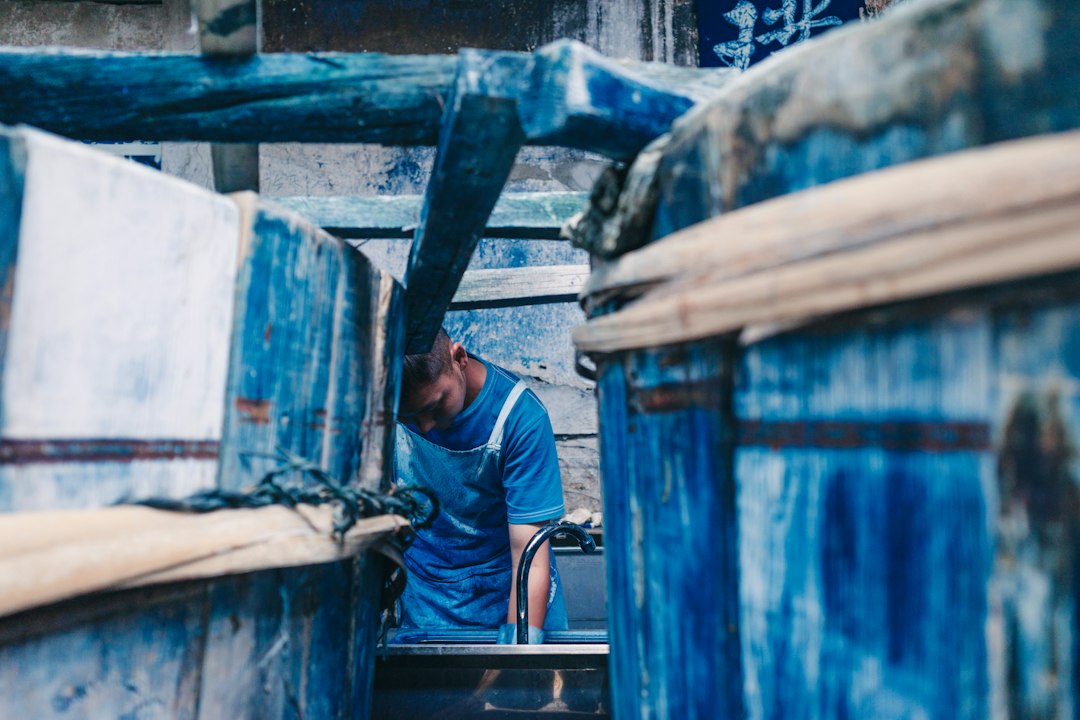
The difference between sustainable craft tourism and exploitative craft tourism usually comes down to this: ownership and control. When the artisans themselves run the workshops, set the prices, and keep the profits, local craft experiences valuable to both the visitor and the community actually stay valuable. When investors extract value while paying artisans minimum wages, everyone loses—especially the authenticity that made it special in the first place.
National and regional governments are implementing comprehensive policies aimed at preserving traditional craftsmanship, providing artisans with skill development training, facilitating access to credit and raw materials, and promoting handicraft exports through international trade fairs and bilateral agreements. That’s the infrastructure that makes it sustainable. Without it, local craft experiences valuable now become destroyed experiences within a few years.
The Technology Angle: How Platforms are Making Local Craft Experiences Valuable Accessible
For years, craft tourism was a word-of-mouth, guidebook, or lucky-accident kind of thing. You had to know someone who knew someone. Now? Travellers are constantly exposed to authentic moments: cooking classes in Bangkok, artisan workshops in Kyoto, neighbourhood food tours in Mexico City or local festivals in small European towns, which often inspire travel decisions long before flights or hotels are booked.
Platforms like Airbnb Experiences, Tripadvisor, and Viator have solved a massive coordination problem. They’ve taken something ephemeral and made it discoverable, bookable, and reviewable. They’ve also—inevitably—commercialized it. Not all of that is bad. Standardized pricing, customer reviews, and cancellation policies actually protect travelers from scams.
The catch? Platforms take a cut (typically 15-20%), which means local artisans have to charge more or earn less. They also push toward homogenization—what looks good in photos, what gets five-star reviews, what platforms algorithmically promote. This can drift away from the most authentic or meaningful experiences toward the most Instagrammable ones. Messy indigo dyeing that actually teaches you something gets outranked by a cute pottery class set in a perfectly lit studio.
That’s not inherently bad—platforms are solving real problems. But if you’re thinking about local craft experiences valuable to your community, you need to understand that being on a platform changes what you’re offering, whether you want it to or not.
Frequently Asked Questions
What Exactly Counts as a Craft Experience in Tourism?
Local craft experiences valuable in tourism include hands-on classes or workshops where visitors actively participate in creating something—pottery, weaving, jewelry-making, cooking, painting, dyeing, woodworking, and similar skills. The key is participation, not passive observation. You’re learning from an artisan, typically for 1-4 hours, and leaving with something you made. It’s distinct from visiting a craft museum or buying from a craft market, though those can complement the experience.
How Much do Local Craft Experiences Valuable to Travelers Typically Cost?
Prices range widely depending on location, duration, and artisan reputation. A basic pottery class might run $30-60 USD in Southeast Asia, $80-150 in Europe, and $100-200+ in premium markets like Japan. Multi-day intensive workshops or private lessons can easily exceed $500. Pricing is heavily influenced by platform fees, local labor costs, and what international travelers can afford. Premium positioning works if the artisan has strong credentials or the experience offers genuine insight.
Why is Local Craft Experiences Valuable Tourism Growth Concentrated in Places Like Japan?
Several factors converge: deep-rooted craft traditions still actively practiced, government investment in cultural tourism, strong domestic wealth that supports tourism infrastructure, and deliberate branding by destinations like Kyoto. Japan also benefits from favorable geography, excellent hospitality standards, and a cultural reputation for craftsmanship. However, Asia Pacific is the fastest-growing region for craft workshop tourism projected at 11.4% CAGR through 2034, suggesting growth is broadening beyond Japan to places like India and Vietnam as similar infrastructure develops.
Can Local Craft Experiences Valuable be Sustainable Long-Term, or do They Get Ruined by Tourism?
Both. It depends entirely on who controls the experience and how tourism revenue is managed. When artisans themselves run workshops and set terms, local craft experiences valuable tend to remain authentic and economically beneficial to communities. When outside investors take over and treat it as pure commerce, authenticity degrades quickly. Government support for artisan ownership and fair-trade practices makes a measurable difference in sustainability outcomes.
How do I Know if a Craft Workshop is Actually Authentic Versus Tourist-Focused Kitsch?
Look for three signals: (1) The instructor is the actual practitioner of that craft (not just trained to teach tourists). (2) The work matters in the local context—locals value and use this craft, not just tourists. (3) The pricing and scheduling favor depth over volume. If a place runs 10 identical beginner pottery classes a day, it’s prioritizing throughput. If they limit class size and teach deep techniques, they’re serious about craft.
The Real Takeaway: Craft Tourism Isn’t a Side Hustle Anymore
Local craft experiences valuable to tourism have graduated from niche quirk to genuine economic engine. The numbers prove it: 88% booking growth in 2026, billions in market value, consistent year-over-year expansion across nearly every region.
But here’s what matters more than the numbers: this shift reflects something genuine about how people want to spend time and money. They’re tired of passive consumption. They want to make something. They want to connect with someone. They want proof that they were there, not just that they visited.
If you’re a destination, an artisan, or a business built around tourism, this is your signal. The demand is real, growing, and showing no signs of slowing. The winners won’t be the places that rush to capitalize on it fastest—they’ll be the ones who build it thoughtfully, keep the artisans in control, and understand that local craft experiences valuable long-term are fundamentally different from those chased for short-term revenue.
The age of cheap, mass-produced tourism is ending. The age of authentic participation is here. You either build it right, or you watch it become just another thing people regret buying.
