

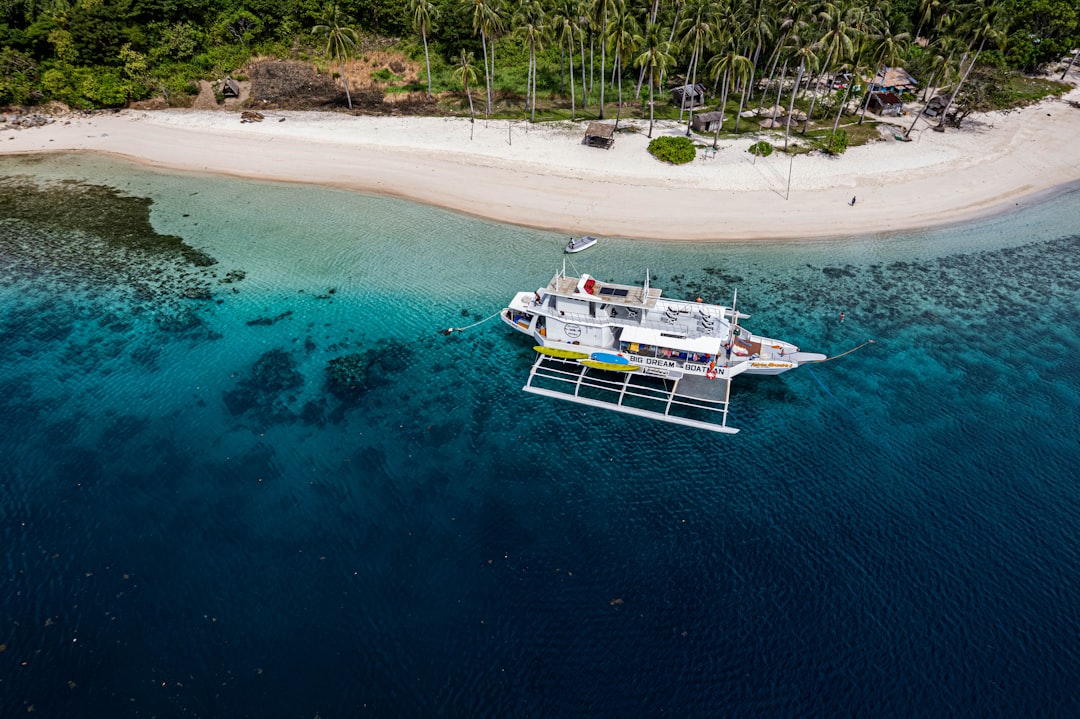
The best hidden coastal destinations asia has to offer are quietly disappearing — not because they’ve been destroyed, but because they’re being discovered. Fast. And once a destination lands on a major “top 10” list, you have maybe one or two seasons before the concrete mixers arrive. I’ve watched it happen in Bali’s southern tip, in Koh Lanta a decade ago, in Hoi An before the lantern shops multiplied like algae. So this isn’t a list for the faint of heart or the late planner. This is for the person who wants to move first.
Here’s the real picture: according to Agoda’s 2025 travel trends, 84% of travelers now prioritize authenticity, sustainability, and cultural immersion over mass tourism. That number is staggering. It tells you the crowd is already moving in this direction — which means your window on the truly quiet places is shrinking every quarter.
Why Hidden Coastal Destinations Asia are Having a Moment in 2026
The short answer? Overtourism fatigue. Travelers are no longer chasing crowded landmarks or rigid itineraries — instead, they’re seeking quieter moments, deeper cultural connections, and smarter ways to travel, balanced by a genuine desire to disconnect.
Travel trends in 2026 show that global tourists are prioritizing meaningful experiences over traditional sightseeing. You can feel this shift in the data, too. Vietnam has emerged as the fastest-growing tourism destination in Southeast Asia, experiencing a 21.5% increase in international arrivals in 2025, positioning itself as a rising star in the region’s tourism sector. A big chunk of that growth is being driven by people skipping Phu Quoc and heading further off-map.
Meanwhile, the broader market signals are hard to ignore. The global beach tourism market was estimated at USD $250.71 billion in 2025 and is expected to reach USD $364.95 billion by 2032, exhibiting a CAGR of 5.5%. Asia is outpacing almost every other region in that number. The money is flowing in. Which means if you want quiet, you need to go now — or at least plan now.
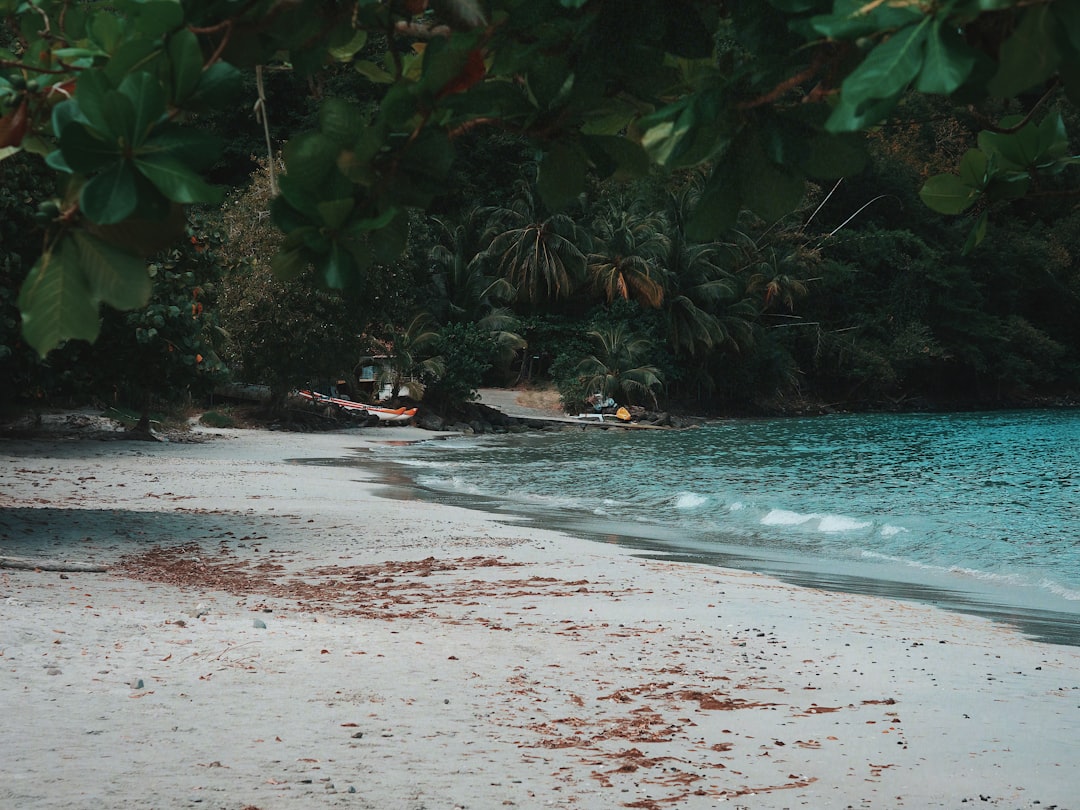
The 6 Hidden Coastal Destinations Asia You Should Actually Know About
Con Dao Islands, Vietnam
Off Vietnam’s southern edge. Seriously, how is this place still under the radar? Located off Vietnam’s southern edge, the Con Dao Islands offer a perfect blend of raw beauty and historical depth, with shimmering waters hiding an underwater world teeming with vibrant coral gardens. White-sand beaches stretch endlessly, and beyond the shore, dense tropical forests and protected parks harbor rare wildlife.
I spent four days there in late 2024, arriving on a 45-minute Viet Jet flight from Ho Chi Minh City (fares hovering around $35 USD one-way if you book early). The entire island has maybe a dozen small hotels. The Six Senses Con Dao is the one splurge option — worth it for the hammock-over-water breakfast situation alone. But the guesthouses near the market square? Around $25–$40 a night, and genuinely lovely. The thing that stunned me most wasn’t the beach. It was the silence at 7 AM with no one else around for 500 metres.
Beyond Phu Quoc, islands like Con Dao and Phu Quy are emerging as tranquil alternatives in Vietnam, ideal for far-off escapes, wellness retreats, and marine-focused travel. Go before the marina developers catch wind.
Koh Phayam, Thailand
People keep calling it “the next Koh Samui.” That’s not quite right — it’s better. Located in Ranong Province near the Myanmar border, Koh Phayam remains refreshingly authentic — a place where scooters replace cars, dirt paths weave through dense cashew nut groves, and the soundtrack is birdsong and ocean breeze. The island’s Aow Yai Beach is a long, sweeping bay of soft golden sand, while Aow Khao Kwai (“Buffalo Bay”) offers a quieter, sheltered experience ideal for kayaking and gentle snorkeling.
No 7-Elevens. No cocktail bucket touts at sunset. The accommodation tops out at about $60/night for a decent bungalow with fan and outdoor shower. That’s not roughing it — that’s the point. Koh Phayam is one of Thailand’s lesser-known and isolated surf spots, where visitors can experience a more peaceful and less touristy environment.
Siquijor Island, Philippines
Locals call it the Island of Fire. Mysteriously, most international visitors still head to Palawan or Boracay and never think twice. Their loss. Siquijor Island invites you into a world of mystic healing traditions, waterfalls, and hidden coves. Shrouded in mystique and illuminated by its fiery sunsets, its beaches boast sparkling sands and coral-rich waters — and beyond the coast, emerald-green waterfalls, ancient caves, and centuries-old healing traditions add layers of intrigue.
Nearby Camiguin, a volcanic island recognized by the New York Times as one of the “52 Places to Go in 2026,” offers visitors a mix of black-sand beaches, hot springs, and volcanic landscapes — further proof that the Philippine island scene beyond the usual suspects is having a genuine breakout year.
Koh Yao Noi, Thailand
Tucked between Phuket and Krabi. Twenty minutes by longtail from either. And yet — somehow — it remains almost entirely untouched. Koh Yao Noi is a masterclass in intentional preservation. Located between Phuket and Krabi, it has successfully resisted becoming a party island — there are no neon-lit nightlife options; instead, you’ll find rubber plantations, rice paddies, and a vibrant local community, with days spent cycling through villages or taking a long-tail boat to hidden lagoons inside nearby limestone karsts.
Honestly, this is the most underrated island in Southeast Asia. Full stop. Mostly. Depends on what you’re after — if you want nightlife and beach bars, go to Phuket. But if you want to sit on a pier at 6 AM watching fishermen haul in nets while Phuket’s skyline glitters on the horizon 17 km away? Koh Yao Noi is unbeatable.
Okinawa’s Outer Islands, Japan
Everyone knows Okinawa now. But the outer islands? Different story entirely. While the Japan hype continues into 2026, lesser-known regions are becoming more popular — above all, this chain of 150 islands attracts divers and surfers to its crystal-clear waters and white sandy beaches, along with culture enthusiasts eager to explore the history of the Ryukyu Kingdom.
In 2026, locals are gearing up for the grand unveiling of the reconstructed Shuri Castle — the symbol of Okinawa, destroyed by fire in 2019, the former Ryukyu royal palace will be ready to welcome visitors again in autumn. That’s a major cultural event. But time the visit for late January or February to avoid the autumn crowds, and you’ll have the outer islands largely to yourself.
Langkawi, Malaysia (The Specific Quiet Corner)
Here’s the thing — Langkawi gets written off as “been there, done that.” But most visitors stick to the duty-free shopping strip near Kuah or the Cenang beach bars. Langkawi merges duty-free indulgence with rainforest treks and sky-high panoramas. The northwest coast — Datai Bay specifically — is one of the most genuinely serene stretches of coastline in Southeast Asia, ringed by UNESCO-listed geological formations and backed by ancient rainforest. A room at The Datai Langkawi runs about $350/night — not cheap, but it’s arguably the finest eco-resort in Asia and a world apart from the beach-chair rental crowds 20 km south.
Countries such as Vietnam and Malaysia are seeing increasing numbers of visitors thanks to their rich culture, affordable options, and natural beauty — but the smarter play with Malaysia is finding the parts that even the influx of new visitors hasn’t reached yet.
What Actually Makes These Places Special (And How Long that will Last)
Real talk. The clock is ticking.
Indonesia, with its vast archipelago and rich cultural heritage, has been investing in developing its tourism sector — with a focus on promoting lesser-known destinations alongside popular tourist spots, contributing to a more balanced tourism landscape. Indonesia is doing this smartly. The government is advancing its Sustainable Tourism Master Plan, which emphasizes environmental protection, community participation, and cultural preservation — with key priorities including expanding green investment in eco-lodges and renewable-powered resorts, and promoting lesser-known islands through digital storytelling campaigns.
That’s good news and a warning in the same breath. Government attention means infrastructure. Infrastructure means more arrivals. More arrivals means your “hidden” find isn’t hidden for long.
What you want to look for when evaluating a destination’s longevity as a quiet place:
- No direct international flights yet — that’s your best protection against sudden crowd surges
- Local ownership of accommodation — chains follow money, money follows fame
- A limited rainy season window — reduces the months when everyone shows up simultaneously
- Ferry-only or propeller-plane access — the friction keeps the bus-tour crowd away (I had to learn this the hard way; my favorite beach in the Philippines lost its magic the week a new fast ferry started running)
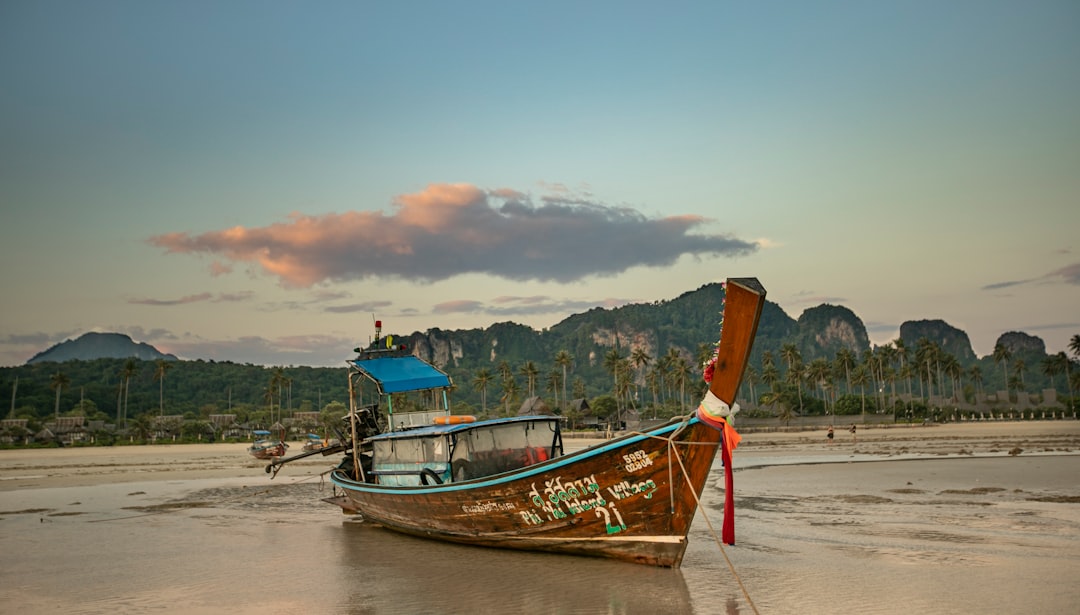
Hidden Coastal Destinations Asia Worth Watching: The Next Wave
For seasoned travelers, eastern Indonesia delivers raw beauty: dramatic landscapes, traditional villages, and world-class diving — without the crowds of Bali. Specifically, watch Labuan Bajo in Flores and Likupang in North Sulawesi. New tourism zones including Labuan Bajo in Flores, Likupang in North Sulawesi, and Lake Toba in North Sumatra have gained international attention through upgraded airports, cruise terminals, and eco-friendly resort developments.
These will hit mainstream lists within 18–24 months. Book now, or don’t complain later.
Also worth a serious look: Central Vietnam’s lesser-visited coastal stretch. Central Vietnam is officially stepping out of the shadows of the big cities to become a heavy-hitter in 2026 — it’s never been easier to get there thanks to a wave of new international flights landing at Da Nang International Airport. Just up the coast, the ancient capital of Hue is having a total royal renaissance, with incredible cultural restorations of the imperial city underway. The beach towns between Da Nang and Hue — Lang Co, for instance — remain genuinely quiet and genuinely gorgeous, with none of the resort sprawl that’s transformed the main Da Nang strip.
Per Skyscanner’s 2026 travel trends analysis, based on 22,000 travelers worldwide, search interest in off-the-beaten-path coastal Asia has surged in early 2026, reinforcing what the booking numbers are already showing.
How to Plan Without Getting it Wrong
The logistics are the part no one tells you about. Here’s a quick framework:
- Fly into a hub, ferry or small-plane out. For Con Dao, that’s Ho Chi Minh City. For Koh Phayam, it’s Ranong (via Bangkok or Chumphon). For Siquijor, it’s Cebu.
- Book accommodation early — but not too early. Smaller guesthouses in hidden coastal destinations asia often don’t open their booking calendars until 3–4 months out.
- Check seasonal timing. Koh Phayam’s best beach conditions run October through May. Con Dao is year-round but optimal November to May. Siquijor is best February to May.
- Budget realistically. You can spend $40–$80/day including accommodation, meals, and transport at most of these spots. Or you can drop $350/night at The Datai. Both are valid. Neither is wrong.
- Travel sustainably. Tourists are increasingly interested in cultural engagement, local cuisine, natural landscapes, and sustainable options. That means eating at locally owned warungs, hiring local guides, and skipping the single-use plastic that still washes up on even the prettiest shores.
According to the UNWTO’s 2025 Asia Pacific Tourism Barometer, Asia Pacific is projecting continued above-average growth through 2026 — meaning the window on truly uncrowded coastal experiences is actively narrowing, not widening.
Frequently Asked Questions
What are the Best Hidden Coastal Destinations Asia for First-Time Solo Travelers?
Ko Lipe, Thailand — renowned as the “Maldives of Thailand” — enchants solo wanderers and couples alike with turquoise waters and vibrant local markets. It’s small enough to feel safe and intimate, has reliable ferry connections from Langkawi (Malaysia) and Pakbara (Thailand), and doesn’t attract the loud party crowd that colonizes larger Thai islands. Koh Yao Noi is another excellent choice — minimal risk, maximum calm, easy logistics.
How do I Find Hidden Coastal Destinations Asia Before They Get Too Crowded?
The honest answer: follow early-adopter travel writers on platforms like Substack, not Instagram Reels. By the time a beach is trending on short-form video, it’s already late. Sites like Lonely Planet’s Pathfinders community and dedicated Southeast Asia forums (TripAdvisor’s Destination sub-forums, Travelfish) often surface genuinely obscure coastal spots 12–18 months before they hit the mainstream. Also watch for new ferry and budget airline routes opening — those are a reliable leading indicator.
What is the Cheapest Hidden Coastal Destination Asia to Visit in 2026?
Koh Phayam, Thailand wins on value. Budget guesthouses start at around $15–$25/night, meals at local restaurants cost $2–$5, and the ferry from Ranong pier runs less than $5 each way. It’s an island where time slows down — with scooters replacing cars, dirt paths through dense cashew nut groves, and a soundtrack of birdsong and ocean breeze. Siquijor in the Philippines is close behind on price, with guesthouse rooms from $20/night and tricycle rides around the island for under $3.
Are Hidden Coastal Destinations Asia Suitable for Families with Young Children?
Yes — with some planning. The hidden coastal destinations asia on this list that work best for families include Langkawi (Malaysia), which has calm shallow waters, excellent infrastructure, and duty-free pricing on essentials, and the outer Okinawa islands, which offer Japan’s characteristically high safety standards in a far quieter setting than Tokyo. Con Dao is ideal for older children who can snorkel. Avoid Koh Phayam with toddlers only because of the limited medical infrastructure — nearest hospital is 45 minutes away by ferry.
When is the Best Time to Visit Hidden Coastal Destinations Asia to Avoid Crowds?
It depends on the country, but the sweet spot for most of Southeast Asia’s hidden coastal destinations asia is shoulder season — typically October–November and March–April. You get beach-worthy weather, 15–30% lower accommodation rates, and meaningfully fewer visitors than peak December–February. Japan’s Okinawa outer islands are most serene in late January through March, though note that February can occasionally bring cooler weather than you’d expect from a tropical island.
The One Takeaway that Actually Matters
The hidden coastal destinations asia worth visiting in 2026 share exactly one quality: they’re still easier to reach than they are to find in a Google search. That’s your window. Not forever — probably not even for another full year in some cases. These destinations are emerging hotspots: long overlooked or previously hard to reach, but now on the map for travelers seeking alternatives to well-trodden destinations like Bali, Tokyo, and Bangkok.
Book Con Dao or Koh Phayam or Koh Yao Noi now, while the guesthouses still have vacancy and the beaches still have silence. Not because solitude is some kind of moral virtue. But because those places are genuinely, stubbornly, beautifully good — and they won’t stay secret forever. Go before the concrete does.
