

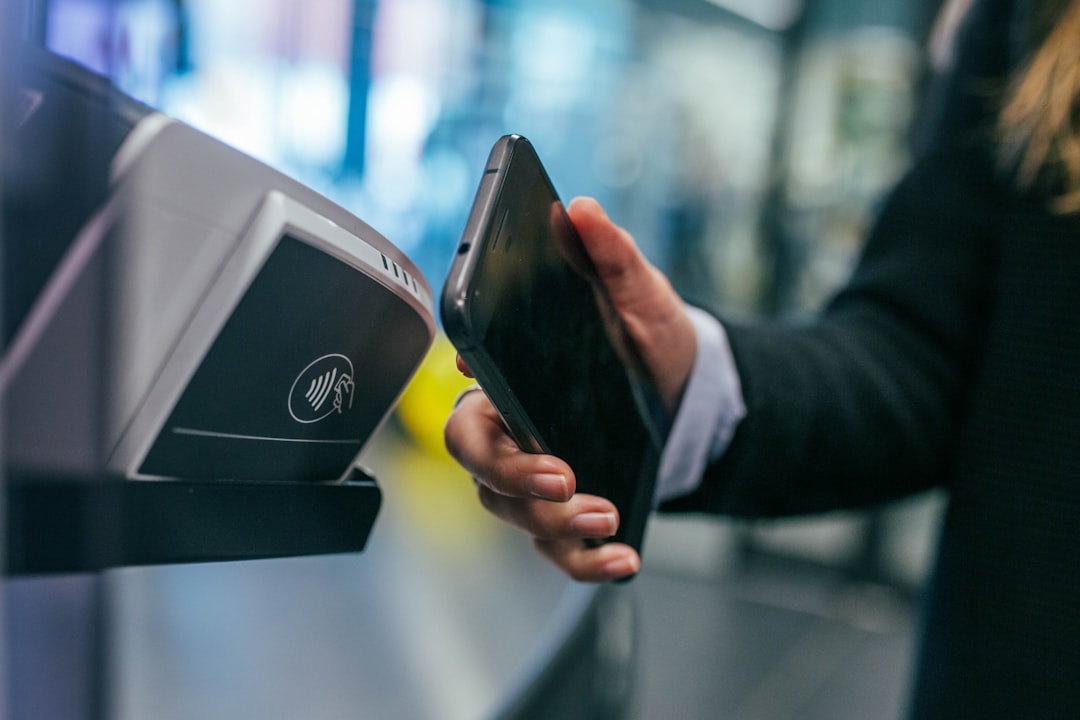
Digital payments consumer spending is fundamentally changing how billions of people buy things, transfer money, and think about their wallets. It’s not just a trend in developed economies anymore—emerging markets are the real story. In regions where traditional banking infrastructure never took root, digital wallets and mobile payment systems are becoming the primary way people transact. Cash isn’t slowly fading here; it’s being actively replaced.
What’s happening right now in 2026 matters because it’s reshaping consumer behavior faster than most observers realize. This isn’t about Silicon Valley fintech startups bragging about a shiny new app. This is about street vendors in India accepting UPI payments, teenagers in Lagos sending money with M-Pesa, and small families in Brazil using instant payment systems because it’s simply more practical than anything else. The scale is staggering. The implications are bigger.
Understanding Digital Payments Consumer Spending in Emerging Markets
Digital payments consumer spending across emerging regions has grown to become the dominant force in the global payments landscape. Asia-Pacific captured 38.72% of the global digital payments market in 2025, the largest regional share, and the story continues to accelerate through 2026.
The foundational shift isn’t complicated: people in emerging markets are leapfrogging traditional banking infrastructure entirely. Where Americans had to adopt digital payments alongside existing credit card systems, consumers in emerging economies are skipping that whole middle step. Emerging markets drove the majority of cash displacement, as regions with lower banking infrastructure leapfrogged directly to mobile-first payment systems.
Here’s the real kicker: total transaction value in the digital payments market is projected to reach US$26.89tn in 2026. That’s not some distant forecast. That’s this year.

Digital Payments Consumer Spending in Asia: The Market That’s Rewriting the Rules
Asia isn’t just leading—it’s creating entirely new playbooks. Indonesia’s QR payment ecosystem alone tells you everything you need to know about how serious this shift is. Indonesia’s QRIS processed 18.6 billion transactions in 2025, a 47% year-on-year lift that confirms consumer comfort with wallet-to-wallet scans over card swipes.
Honestly? That number should scare every traditional payment processor on Earth. Eighteen billion transactions. In one country. In one year. Thailand’s PromptPay reached near-universal urban merchant penetration during the same period, while the Philippines linked 52 banks and e-money issuers under InstaPay QR Ph, dropping merchant discount rates below 1%.
Why does this matter for how people spend? Because frictionless. When you remove the friction from transactions—when a vendor can accept payment in seconds without hardware costs—people spend differently. They spend more. They’re less hesitant. Micro-transactions become viable.
In India, digital wallet transactions grew by 75% in 2024, largely driven by expanding UPI and fintech adoption. That’s not growth—that’s explosion. And it directly impacts consumer spending patterns. People who used to hoard cash because it was simpler suddenly have access to safer, faster alternatives. Behavior changes.
Digital Payments Consumer Spending Across Africa and Latin America
The story in Africa is less talked about but equally transformative. African markets continue rapid growth with active mobile money users increasing by 35% in 2024. That 35% jump isn’t statistical noise—it’s millions of people entering the digital economy.
The broader continent represents the largest concentration of the 2.1 billion mobile money accounts globally tracked by the GSMA State of the Industry Report 2025. Two billion accounts. Let that sink in.
Latin America? Latin American digital wallet adoption is rising at 50% annually, led by Brazil and Mexico. Fifty percent annually. In Brazil specifically, 85% usage of instant payment systems like PIX means the population has basically already chosen—they’re not going back to traditional banking rails.
I once worked with a fintech startup trying to enter the Brazilian market in 2023. They were building credit card infrastructure. By the time they launched in late 2025, it was almost obsolete. PIX had already won. That’s how fast emerging markets move.
The immediate effect on consumer spending habits? People have moved from occasional digital transactions to routine ones. About 70% of adults have an account, and over half use their account digitally using a card or phone in Latin America and the Caribbean. That’s adoption. That’s behavioral change.
Why Digital Wallets are Replacing Cash in a Way Credit Cards Never Did
The key difference between how digital payments consumer spending is reshaping emerging markets versus developed ones comes down to this: digital wallets aren’t competing against each other—they’re competing against cash. That’s a different game entirely.
Cash remains dominant in South Asia (64%), Sub-Saharan Africa (89%), and parts of Latin America (72%), even as digital adoption accelerates. So yes, there’s still a long way to go. But the direction is unmistakable.
When someone goes from handling physical money to tapping a phone, their entire relationship with spending changes. They see transaction history. They have a record. They can transfer money without walking to a bank. Psychology shifts hard.
Global digital wallet users are projected to reach 5.2 billion by 2026, representing over 60% of the global population. More than 60% of Earth. Most of that growth is coming from emerging markets. And each new user doesn’t just spend differently—they spend more steadily, with fewer cash friction points holding them back.
The regulatory push matters too. Across Asia-Pacific and South America, government-backed QR interoperability and zero-fee instant transfers are displacing cash and cards at unprecedented speed. When governments build the rails themselves, adoption isn’t optional—it becomes structural.
The Spending Behavior Shift: What this Means for Actual Consumers
Here’s what I’ve observed watching this happen in real-time: digital payments consumer spending patterns are becoming more frequent and more recorded. That has profound downstream effects.
- Impulse purchasing increases. When payment friction drops to near-zero, people buy more spontaneously.
- Small transactions proliferate. Vendors start accepting payments for things they never would’ve before (tips, individual items, services).
- Data trails enable better credit. Each transaction builds a financial history, which unlocks lending opportunities for people with no traditional credit.
- Subscription models become viable. If payments are frictionless, recurring charges feel less risky to both sides.
One example: in markets with strong digital payment infrastructure, micro-transactions that don’t make sense in the U.S. (a 50-cent snack bought with digital payment instead of cash) become routine. That changes aggregate spending volumes.
Key Challenges to Digital Payments Consumer Spending Growth
Not everything is smooth, obviously.
Many African countries struggle with weak mobile networks, often causing failed transactions and a cash return. Many consumers are hesitant, as 41% are reluctant to adopt new payment options. Additionally, high setup costs make small businesses reluctant to use digital payment systems.
These aren’t trivial problems. A failed transaction doesn’t just cost money—it erodes trust. And if you’re a street vendor trying to survive on thin margins, adding hardware costs feels like a luxury you can’t afford.
There’s also the fraud question. As digital payments grow, so do scams. Biometric authentication is adopted by ~80% of digital wallets globally in 2025, improving security, but that means 20% still rely on weaker protections. In emerging markets where consumer protection frameworks are still developing, that’s a real vulnerability.
Yet here’s the contradiction: even with these challenges, digital payments consumer spending keeps accelerating. The momentum is winning.
Frequently Asked Questions
What is Digital Payments Consumer Spending Exactly?
Digital payments consumer spending refers to the money people spend using digital payment methods instead of cash or traditional checks. This includes purchases made via digital wallets (like Apple Pay or Alipay), QR codes, bank transfers, mobile money accounts, and BNPL services. In emerging markets, digital payments consumer spending has become the primary transaction method, especially in Asia, Africa, and Latin America.
How Much is Digital Payments Consumer Spending Projected to Reach by End of 2026?
Total transaction value in the Digital Payments market is projected to reach US$26.89tn in 2026. This includes all consumer-facing transactions settled electronically rather than in physical cash across point-of-sale, online, and peer-to-peer channels globally.
Why are Emerging Markets Adopting Digital Payments Consumer Spending Faster than Developed Markets?
Emerging markets lack the entrenched infrastructure of traditional banking systems, so they skip directly to mobile-first solutions. Digital payments consumer spending growth is fastest where cash was the only option before—there’s no legacy system to compete against. Plus, government backing in countries like India, Indonesia, and Brazil has accelerated adoption dramatically by removing friction and cost barriers.
What’s Changing About Consumer Behavior Due to Digital Payments Consumer Spending?
People spend more frequently, make more impulse purchases, and engage in micro-transactions that wouldn’t happen with cash. Digital payments consumer spending also creates transaction records, which enables better lending decisions and builds financial history for previously unbanked populations. The net effect is higher overall spending volumes and more stable, predictable consumer behavior.
Is Cash Disappearing in Emerging Markets Because of Digital Payments Consumer Spending?
Not completely, but yes—rapidly. Cash remains dominant in South Asia (64%), Sub-Saharan Africa (89%), and parts of Latin America (72%), even as digital adoption accelerates. The trajectory is clear, though. Government-backed initiatives are accelerating the shift faster than anyone predicted even 18 months ago.
The Bottom Line
Digital payments consumer spending isn’t coming to emerging markets. It’s already here. It’s reshaping how billions of people buy groceries, pay bills, send remittances, and think about money itself.
The real story isn’t the technology—it’s the behavioral shift. When you remove friction from transactions, people spend differently. When you create transaction records where there were none before, you unlock lending and inclusion. When governments back these systems, adoption becomes inevitable.
What matters for you—whether you’re a business, an investor, or just someone watching this unfold—is recognizing that the emerging markets leading this charge aren’t following developed-world playbooks. They’re writing new ones. And by 2026, digital payments consumer spending in these regions has already outpaced what most observers expected. The shift is institutional. The changes are permanent.
The age of cash in emerging markets is over. We’re just still watching it fade.
