

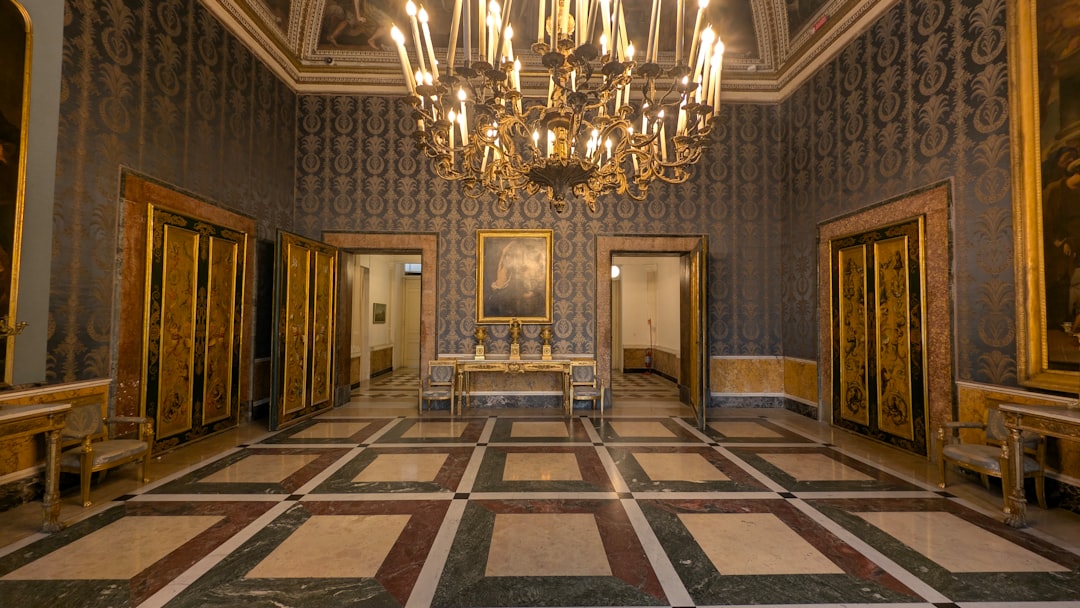
Heritage hotels continue attract the world’s most discerning travelers — and not just the nostalgic ones. You might think a 500-year-old palazzo or a former Victorian jail would feel stuck in the past. But something shifted in how we travel. We stopped chasing glitzy resort pools and started chasing stories.
This isn’t sentimentality. Over 90 percent of luxury travelers want to integrate history into their journeys. According to data from Expedia Group’s Unpack ’26 travel trends report, released in October 2025, there has been a year-over-year increase in global searches for hotels housed inside upcycled, historic architecture, a trend that speaks to travelers’ broader interests of sustainability and immersive travel experiences. What used to be niche has become mainstream. Heritage hotels continue attract guests because they deliver something cookie-cutter chains simply cannot: authenticity.
The numbers back this up. Around 45% of global tourists now favor boutique accommodations over standard hotels, highlighting the growing importance of individualized service and unique design concepts. And boutique properties — often housed in heritage buildings — are booming. The Boutique Hotels Market, valued at USD 71.56B in 2025, is projected to reach USD 114.86B by 2032, growing at a 6.9% CAGR.
What changed? Why now?
Heritage Hotels Continue Attract Travelers Seeking Authenticity Over Sameness
Let me be direct: you can feel the difference between a 200-room corporate hotel and a 28-room property carved out of a 1906 mansion. I stayed at both last year, and the difference isn’t just marble and thread count.
Restored landmark buildings, architectural relics getting a second life — this blend of original character with modern, intentional design lets travelers step into a story. You don’t want to feel like you could be just anywhere when you’re inside a hotel room. Travelers are seeking out Salvaged Stays because they provide a sense of place and history that makes a trip that much more memorable.
Here’s the catch: this authenticity is intentional, not accidental. These aren’t shabby historical relics. They’re carefully renovated spaces where a 14th-century English manor house (HYLL Hotel in North Cotswolds) still has stone walls and fireplaces, but the beds have memory foam and WiFi works flawlessly. It’s the marriage of old and new that works.
Real example: Located inside a refurbished schoolhouse from 1933, the Hotel Seiryu Kyoto Kiyomizu has transformed the building’s old classrooms into luxury accommodations. You’re literally sleeping in what used to be a Japanese school. That’s not something you can manufacture in a new build.
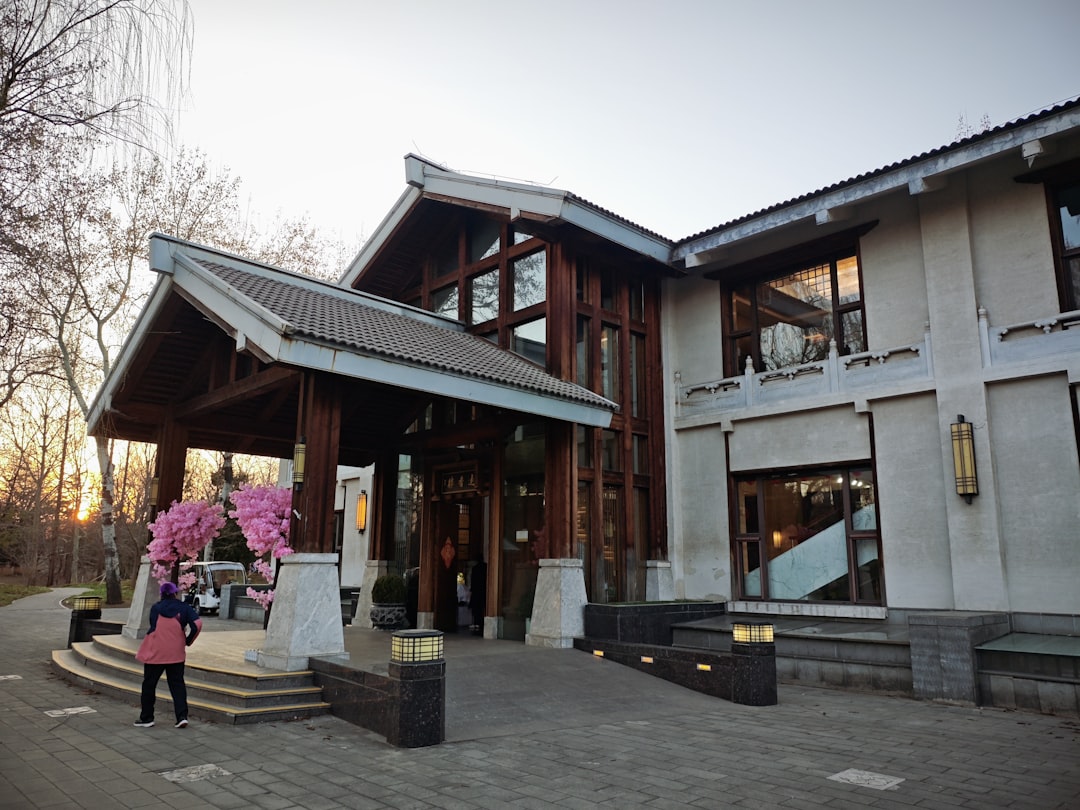
Heritage Hotels Continue Attract the Sustainability-Conscious Traveler
Yes, heritage tourism overlaps with eco-conscious travel. But the connection is real.
Restoring an old building is, by definition, more sustainable than demolishing it and building something new. You’re not dredging up new materials, you’re not creating construction waste at scale (mostly). One of the most compelling design movements of 2026 is the conversion of historic buildings factories, banks, palaces, monasteries into boutique and luxury hotels. Adaptive reuse dominates boutique hotel development, and travelers hungry for authenticity over generic new builds are driving bookings.
Heritage tourism market size was USD 624.55 billion in 2025 and is projected to reach USD 936.97 billion by 2033, at a CAGR of 5.4% from 2026 to 2033. In February 2026, Cholan Tours introduced India’s first Net-Zero Heritage Circuit, a sustainable travel program focused on historic temple destinations in South India. The initiative was designed to reduce carbon emissions through eco-friendly transport, energy-efficient accommodations, and waste-reduction measures, while offsetting residual impacts through environmental projects.
That’s not fringe thinking anymore. Travelers — especially younger ones — are checking carbon footprints the way they check star ratings. Heritage hotels fit that worldview. They’re not perfect (no property is), but they’re not wasteful by design.
The Emotional Engine Behind Heritage Hotels Continue Attract Bookings
Here’s what people don’t talk about enough: travel has become performative. Your Instagram needs a story. Your family wants to hear something interesting at Thanksgiving dinner.
A night at the Comfort Inn in Milwaukee? Nobody’s posting about that.
A night in The Bodmin Jail Hotel, a former prison, offering travelers the option to book as a prisoner, a warden, or a governor, all of which include a guided historic tour of the hotel, a ghost tour, and free access to the on-site museum? That gets shared. That becomes a memory. That becomes a thing.
These properties offer what no new-build can: a sense of place, history, and story. You’re not just staying somewhere; you’re inhabiting someone else’s history for a few nights. There’s something deeply human about that.
The hotels themselves are leaning into this. They’re not trying to hide their age or their former use — they’re highlighting it. They’re making the story part of the product. That’s a shift from how hospitality used to work.
What Heritage Hotels Continue Attract in Terms of Luxury Standards Today
This is where some people get confused. Heritage hotels aren’t bed-and-breakfasts where you share a bathroom and hope the hot water works.
Housed in historic buildings, these properties combine original character and heritage details with elevated amenities, creating truly exceptional stays. Serras Sevilla is scheduled to open in Spring 2026 in an early 20th-century building in Seville. Romègas Hotel in Malta will operate from a restored 500-year-old palazzo.
Think about that for a second. A 500-year-old building. Modern plumbing, climate control, fast internet, espresso machines in rooms (yes, really). You get the creaking floorboards and the sense of history, but you also get everything you’d get at a Marriott, just… better.
The luxury segment has shifted. In 2026, the focus shifts to meticulous restoration—breathing new life into architectural relics while keeping their old-world soul. Travelers with money aren’t seeking sterile minimalism anymore. They’re seeking character with convenience.
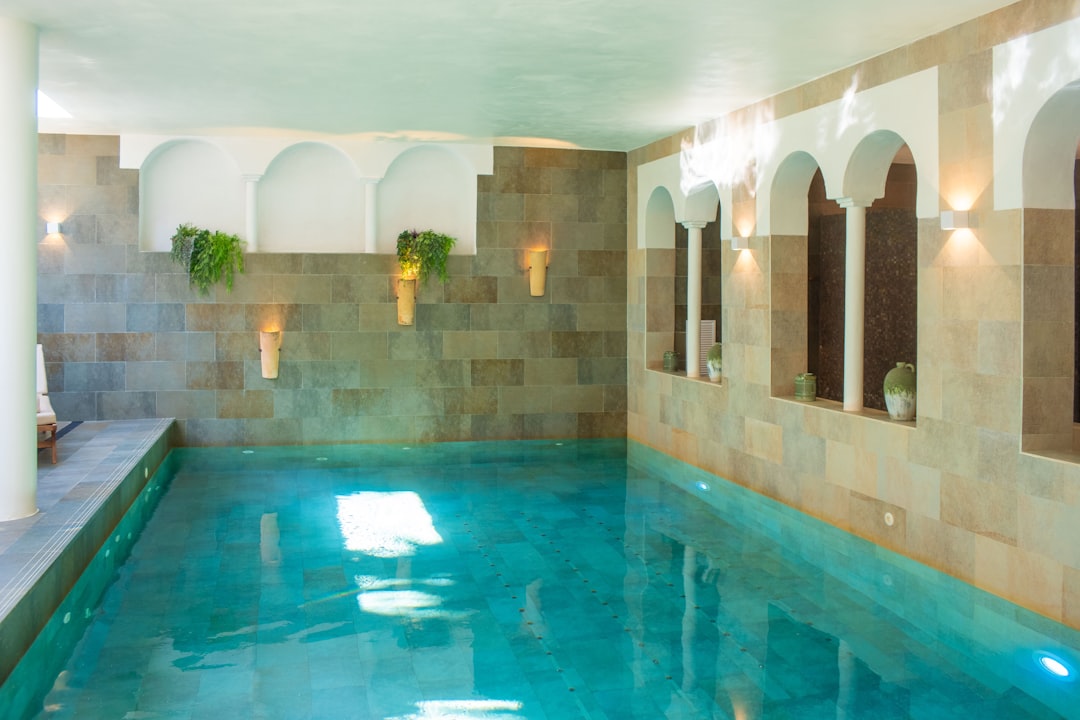
The Developer’s Gold Rush: Why More Heritage Hotels are Opening Now
Real estate developers aren’t in this just for nostalgia. There’s money in adaptive reuse right now.
Regulatory frameworks supporting boutique hotel development in urban renewal districts across Europe and adaptive reuse of heritage properties in North America have catalyzed new supply growth. Governments are giving tax breaks and zoning exceptions. Cities want to preserve their historic cores without letting buildings rot. Hotels fill that gap perfectly.
It’s also cheaper in some cases. You’re not buying prime land at peak prices — you’re buying underutilized historic property. You renovate, you add modern systems, you market it as a luxury experience. The margins can be excellent.
The pipeline proves this. Serras Sevilla is scheduled to open in Spring 2026 in an early 20th-century building in Seville. Romègas Hotel in Malta will operate from a restored 500-year-old palazzo. Palais Jamaï Fès is located in a late 19th-century mansion in Fes Morocco and will operate within the city’s cultural district. These aren’t speculative bets — they’re major investments from established hotel groups.
But here’s the tension: as more heritage hotels open and become fashionable, some lose what made them special. The exclusivity fades. The gentrification narrative kicks in. A few years from now, heritage hotels might feel mainstream. Not bad, just… less thrilling.
That’s always the risk with trends.
Why Heritage Hotels Continue Attract Different Demographics
It’s not one group. You’ve got luxury travelers, yes. But you’ve also got millennial families, retirees rediscovering travel, architects and design enthusiasts, even corporate retreat planners.
By purpose, leisure travel held the largest share in 2026 due to rising demand for experiential, cultural, and wellness-oriented vacations. That spans income levels and age groups. A 30-year-old on a moderate budget and a 65-year-old with serious disposable income might both book a heritage hotel — just different price points.
Europe maintains the second-largest market position with 28.3% revenue share, driven by strong heritage tourism, cultural attractions, and established boutique hotel ecosystems in primary cities including London, Paris, Barcelona, and Rome. European boutique properties benefit from architectural authenticity and historic property conversions that appeal particularly to luxury leisure travelers and extended-stay business clients.
The advantage for hotel operators: heritage properties can serve multiple market segments under one roof. The restored stone rooms might target luxury guests at $400+ per night. The simpler restored rooms might target mid-market guests at $200 per night. Same building, different pricing, higher occupancy.
Frequently Asked Questions
What Exactly do Heritage Hotels Continue Attract that Modern Chains Don’t?
Heritage hotels continue attract travelers who want authenticity, story, and a sense of place. Modern chains are efficient and consistent — but consistency is exactly what travelers are trying to escape. A heritage hotel in a former 1920s mansion or restored train station offers character, architectural uniqueness, and a tangible connection to history that you literally cannot get in a Purpose-Built new hotel.
Why are Heritage Hotels Continue Attract Bookings Faster than Traditional Hotels?
Travelers are searching specifically for unique experiences now. Heritage hotels continue attract interest because they’re Instagram-worthy, emotionally resonant, and increasingly aligned with sustainability values. Data shows year-over-year search growth for these properties. They’re not fighting generic competition — they’re selling identity.
How do Heritage Hotels Continue Attract Luxury Travelers if They’re Old Buildings?
Because luxury today isn’t about newness; it’s about intentionality. Heritage hotels continue attract high-spending guests by combining original character (original wood, stone, architectural details) with elevated modern systems (smart climate control, premium linens, tech-forward amenities). It’s old architecture with new infrastructure — the best of both worlds.
Are Heritage Hotels Continue Attract Bookings from International or Domestic Travelers?
Both. International travelers seek the historical and cultural angle. Domestic travelers often book heritage properties closer to home for weekend escapes. According to data from Expedia Group’s Unpack ’26 travel trends report, released in October 2025, there has been a year-over-year increase in global searches for hotels housed inside upcycled, historic architecture. The annual report is based on first-party data from Expedia, Hotels.com, and Vrbo, plus insights from 24,000 travelers across 18 countries.
Do Heritage Hotels Continue Attract Guests Year-Round, or is it Seasonal?
Mostly year-round, but seasonality depends on location. A historic English country manor might peak in summer; a heritage hotel in a warm climate might see more balanced demand. Corporate retreats and group bookings (often driven by the novelty factor) help smooth seasonality compared to standard chain hotels.
The Takeaway: Heritage Hotels Aren’t a Fad (Yet)
Here’s the straight truth: heritage hotels continue attract travelers because they solve a problem that new hotels cannot. You can’t buy history. You can’t manufacture authenticity. You can only restore it and let people experience it.
The market is growing because travelers — across income levels, nationalities, and age groups — want more than a bed and a shower. They want a story. They want to tell people where they stayed. They want to feel like they’ve been somewhere, not just slept somewhere.
The momentum will continue. The question isn’t whether heritage hotels will keep attracting modern travelers — they will. The real question is whether they’ll stay special once they become standard. For now, they’re still magnetic. Book accordingly.
