

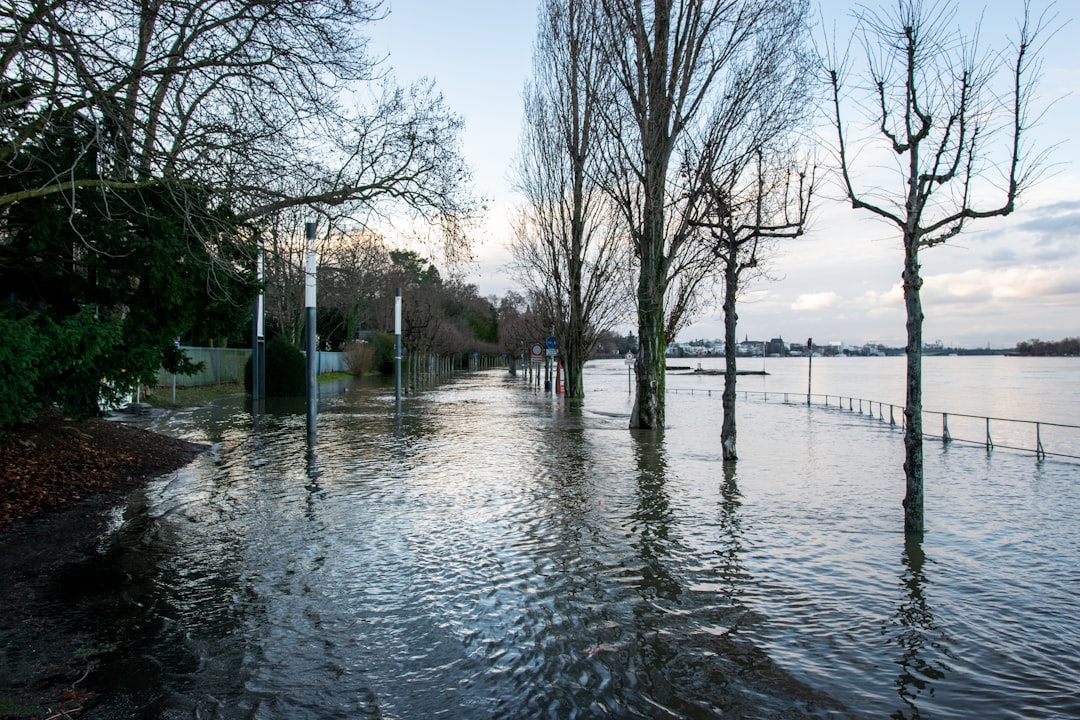
There’s a fierce global race build climate-resilient infrastructure right now, and honestly? Most cities are losing.
The numbers are grim. City climate resilient infrastructure annual needs are estimated at more than $4 trillion, but actual spending in 2022 was a mere $831 billion. That’s a gap so wide you could drive a hurricane through it. We’re talking about a $3+ trillion shortfall every single year. Meanwhile, severe weather is becoming more common, costly and disruptive for cities and businesses, with nearly three-quarters of organizations having experienced losses or work disruptions from weather devastation according to a 2025 global survey.
But here’s what’s interesting: this isn’t a hopeless story. The global race build climate-resilient cities is actually accelerating. Cities are waking up. Investors are watching. And some places are already proof this works.
Let me walk you through what’s happening on the ground, why it matters for your city—or your business—and what the real obstacles are.
The Financing Crisis Behind the Global Race to Build Climate-Resilient Infrastructure
This is the elephant in the room nobody wants to talk about. The funding gap isn’t theoretical. It’s crushing real projects, right now, in 2026.
Cities continue to struggle to access adequate financial resources, and currently, most cities lack sufficient financing to deliver the level of climate action needed to ensure sustainable and climate-resilient urban futures. In developing countries, the situation is worse. International public adaptation finance flows to developing countries were $26 billion in 2023, making adaptation financing needs in developing countries 12-14 times as much as current flows.
Now here’s the maddening part: there’s actually money available. Despite a 32% decline in the global green bond market tracked by Climate Bonds Initiative, municipal green and resilience bond issuance showed a 30% increase—demonstrating continued investor appetite for transparent, impact-oriented municipal debt. People want to invest. The problem? Cities don’t know how to ask for it, or they’re locked out by credit ratings.
Singapore launched a public-private partnership in April 2026 to help strengthen businesses’ climate resilience in areas like green procurement and sustainable financing. That’s the model that’s starting to work. When you pair public commitment with private capital, stuff gets built.
The Global Race Build Climate-Resilient Cities: Who’s Actually Winning
Some cities have stopped talking about resilience and started building it.
Sweden’s Gothenburg blends liveability, climate resilience and job attraction, offering nearly 3,000 square feet of green space per resident and benefiting from a national initiative to decarbonize the industrial sector and create new jobs. This isn’t greenwashing. The city invested. It paid off.
Then there’s Rotterdam. The Port of Rotterdam, Europe’s largest seaport accommodating roughly 30% of the EU’s container traffic, has an adaptation strategy proposing raising quays and roads and relocating business-critical facilities like electricity and telecoms to safer, higher-ground areas. That’s a port authority making serious bets on its own future. Every decision—every crane placement, every pipe reroute—is built for a climate that’s already changing.
In warmer climates, different strategies emerge. Riyadh in Saudi Arabia uses smart systems and reflective materials to ensure buildings are sufficiently cooled, and its urban planners are creating more canopies and small green spaces to improve walkability. Nothing fancy. Just practical adaptation.
But here’s what I’ve noticed after reading through dozens of these examples: the cities winning the global race build climate-resilient infrastructure aren’t the ones with the most money. They’re the ones with political will. They’re the ones who said “this is now” instead of “this is later.”
Buildings are the Biggest Problem (And the Biggest Opportunity)
You might think the issue is transportation or energy grids. It’s not. It’s buildings.
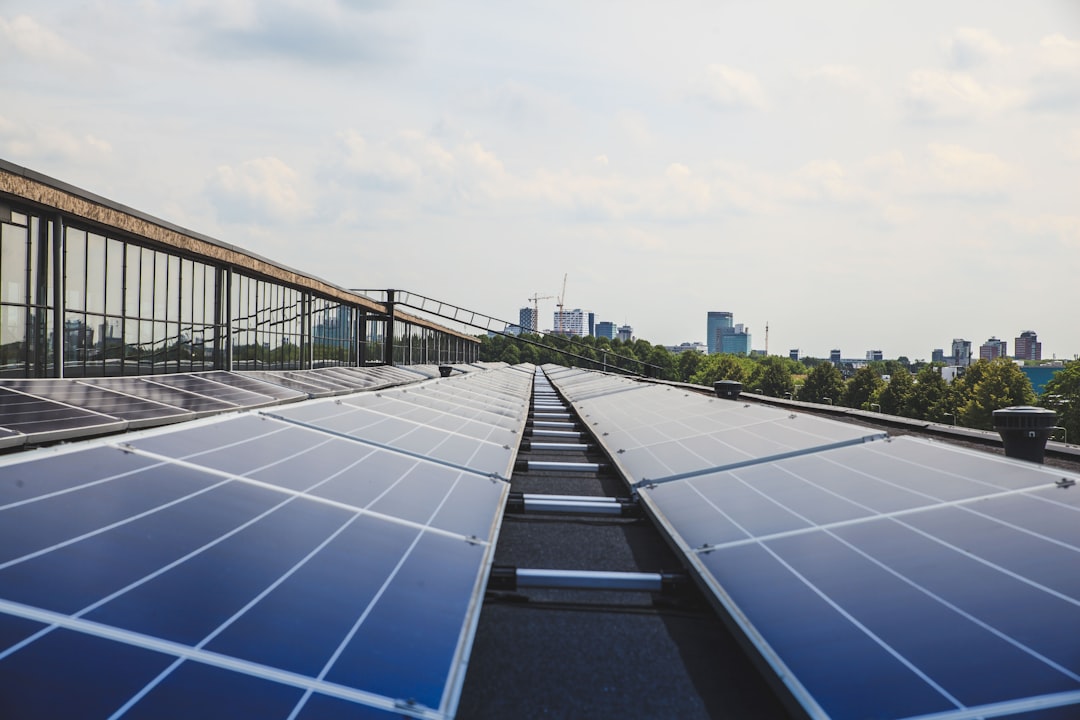
The building sector is responsible for around 37 percent of global carbon dioxide emissions and nearly 50 per cent of global material extraction — the largest material footprint of any sector. That’s massive. But here’s the weird part: we haven’t actually started fixing it yet. As cities expand rapidly and climate risks intensify, progress to decarbonize buildings is not happening fast enough to meet global climate goals, and while buildings are becoming more energy efficient, progress remains far too slow.
The math is brutal. Investment in building energy efficiency must more than double — reaching $5.9 trillion by 2030 — to keep climate goals within reach and deliver healthier, more resilient cities. That’s not per year. That’s the total. By 2030. We’re already halfway through 2026.
The catch? With roughly half of the buildings that will exist in 2050 yet to be built or renovated, there’s a major opportunity to shape healthier, more affordable and more climate-resilient buildings. Every building you design today is locking in emissions (or efficiency) for the next 40 years. That’s the decision point the global race build climate-resilient infrastructure is really being fought over right now.
Why Ceos are Suddenly Obsessed with City Resilience
This is where the story gets interesting. Climate resilience stopped being an environmental issue around late 2025. It became a business issue.
The world’s supply chains are exposed to climate risk because many manufacturing hubs are in flood-prone or water-scarce areas, but 45% of CEOs are planning to reconfigure their company’s supply chains according to 2026 research from Oliver Wyman Forum. That means supply chains are moving. Not because of regulation. Because of risk.
Cities that position themselves as safe bets as logistics hubs could see higher business investment as a result. Think about that. A city that invests in climate resilience doesn’t just get cleaner air or fewer floods. It gets actual capital. Factories. Jobs. Tax revenue. This is starting to drive municipal budgets now.
I once worked with a supply chain director at a mid-size consumer goods company who spent six months analyzing which port cities could handle the next 20 years of climate variability. He picked Rotterdam, not because it was closest to their customers, but because they were actively raising their entire waterfront. That one decision moved half their logistics to Europe.
That’s not a fluke. It’s happening at scale. The global race build climate-resilient infrastructure is increasingly about which cities get the next wave of capital allocation.
What a Climate-Resilient City Actually Looks Like in Practice
Here’s where the rubber meets the road. What does resilience actually mean at 6 a.m. on a Tuesday?
Using the 2023 Carbon Disclosure Project dataset from 910 cities globally, research shows that city adaptation strategies are highly context-specific, shaped by distinct regional characteristics. That’s the honest answer. There’s no one blueprint. A city in Pakistan needs different infrastructure than a city in Denmark.
But there are patterns:
- Green space and cooling: Gothenburg’s 3,000 sq ft per capita isn’t an accident. It’s engineered demand reduction and heat buffering.
- Infrastructure relocation: Rotterdam’s strategy of moving critical utilities to higher ground. Boring, unglamorous, life-saving.
- Supply chain positioning: Building the port, the roads, the logistics hubs so you attract climate-aware businesses.
- Building standards: Retrofitting existing stock. New codes. Enforcement.
- Water management: Because both droughts and floods are coming. You need systems that handle both.
The cities doing this well treat climate resilience like infrastructure, not marketing. It’s unglamorous. You can’t Instagram a properly functioning stormwater management system. But you can definitely feel the difference when a city does it right.
The Financing Models that Actually Work (And the Ones that Don’t)
Let me be direct: federal funding is increasingly unreliable in 2026. Since January 2025, executive orders have redirected federal priorities away from proactive climate mitigation, FEMA has lost approximately one-third of its full-time workforce, and signature programs like BRIC have been cancelled mid-cycle—returning $882 million in previously allocated funds.
So cities are finding other ways. Here’s what’s working:
Municipal bonds. Yes, really. Municipal bond primary issuance is expected to exceed $500 billion annually over the next decade. Investors want to back resilient cities. The trick is structuring bonds so they’re transparent about climate impact.
Public-private partnerships. Singapore’s model. Cities provide the land and long-term commitment. Private sector builds and operates. Shared risk.
State revolving funds. State Revolving Funds represent one of the most reliable, and underutilized, sources for municipal climate resilience investment. These exist in most U.S. states. Nobody talks about them. Probably because they’re not sexy.
International development banks. CAF’s 2026 Strategic Plan explicitly cites cities, local government, urban systems, and urbanization as key focal points, with specific focus on developing nations in Latin America.
The model that doesn’t work? Hoping the federal government shows up. That era is over. The cities that are moving fast right now are the ones that accepted that fact and moved on.
The Real Cost of Inaction (And Why Your City Can’t Wait)
Look, I could give you abstract statistics about mortality and economic loss. You’ve heard those.
Instead, consider this: investing in disaster resilience in hurricane-prone areas can prevent the loss of more than 70,000 jobs according to a report from Allstate and the U.S. Chamber of Commerce. That’s not environmental benefit. That’s pure economics. Sunk cost. Your city either pays now or bleeds payroll later.
A January 2026 Nature Cities analysis warns of potential “climate-debt doom loops” where climate impacts degrade municipal tax bases, increasing borrowing costs precisely when resilience investments are most needed. This is the financial trap cities are falling into right now. You wait too long, a flood hits, your property values drop, your bonds cost more to issue, you have less money to rebuild. Then the next one hits.
The math is actually simple. Spend $2 billion now to prevent $10 billion in losses and avoided population exodus. The return on investment isn’t environmental. It’s fiscal.
Frequently Asked Questions
What does “Global Race Build Climate-Resilient” Infrastructure Actually Mean for a City Council Member?
It means cities are competing to attract capital, talent, and businesses by visibly investing in adaptation infrastructure—raising sea walls, retrofitting buildings, upgrading water systems, moving critical utilities. The global race build climate-resilient cities is driven by business relocation decisions and investment flows, not just climate ethics. Cities demonstrating real, measurable adaptation become more attractive to corporations moving supply chains and CEOs hiring talent.
How Much is the Global Race Build Climate-Resilient Infrastructure Actually Costing Cities?
The gap is staggering. Annual needs are estimated at more than $4 trillion, but actual spending in 2022 was a mere $831 billion. By 2026, spending hasn’t caught up. Most cities are relying on bonds, private partnerships, and state/national development banks instead of federal grants. The cost varies wildly by geography—a coastal city might spend $50-100M annually on sea-level adaptation; an inland city might focus on heat and water, costing less but still significant.
Are There Any Cities Actually Winning the Global Race Build Climate-Resilient Cities Right Now?
Yes. Gothenburg offers nearly 3,000 square feet of green space per resident and benefits from a national initiative to decarbonize the industrial sector. Rotterdam’s raising its entire waterfront. Riyadh is using reflective materials and greening. Singapore launched a public-private partnership in April 2026 to help strengthen businesses’ climate resilience. These aren’t perfect cities—none are—but they’ve moved from talking to building.
Why Should a Private Business Care About the Global Race Build Climate-Resilient Cities?
Supply chains are exposed to climate risk because many manufacturing hubs are in flood-prone areas, and 45% of CEOs are planning to reconfigure their supply chains. If you have logistics, manufacturing, or operations in vulnerable cities, you’re at risk. If you’re relocating, you’ll move to a city actively building resilience because they’ll have better infrastructure, lower insurance costs, and more investor confidence. The global race build climate-resilient infrastructure is reshaping where capital goes.
What’s the Main Barrier to Cities Joining the Global Race Build Climate-Resilient Infrastructure?
Financing. Cities continue to struggle to access adequate financial resources, and currently, most cities lack sufficient financing to deliver the level of climate action needed. Federal funding is drying up. So cities have to tap municipal bonds, development banks, and private partnerships. The cities that figure out public-private structures first will pull ahead. The ones waiting for a federal check will fall further behind.
The Takeaway
Here’s the thing: the global race build climate-resilient cities isn’t coming. It’s already happening. Rotterdam isn’t planning for rising sea levels. It’s building. Gothenburg isn’t talking about green space. It’s planting. Singapore isn’t waiting for a climate summit. It’s partnering with private capital right now.
Your city has two choices. It can wait for federal funding that probably isn’t coming, or it can move now with the financing tools that actually exist in 2026: bonds, development banks, and private partnerships.
The gap between the cities that move and the cities that wait isn’t going to be made up later. It’s going to widen. And five years from now, the difference won’t be measured in carbon. It’ll be measured in jobs, capital, and which cities got left behind.
The global race build climate-resilient infrastructure is brutal because only cities that act now will have the infrastructure that attracts tomorrow’s economy. Start now.

1 Comment
Pingback: Microgrids Essential Energy Resilience 2026: Why Local Power Systems Matter