

Hook
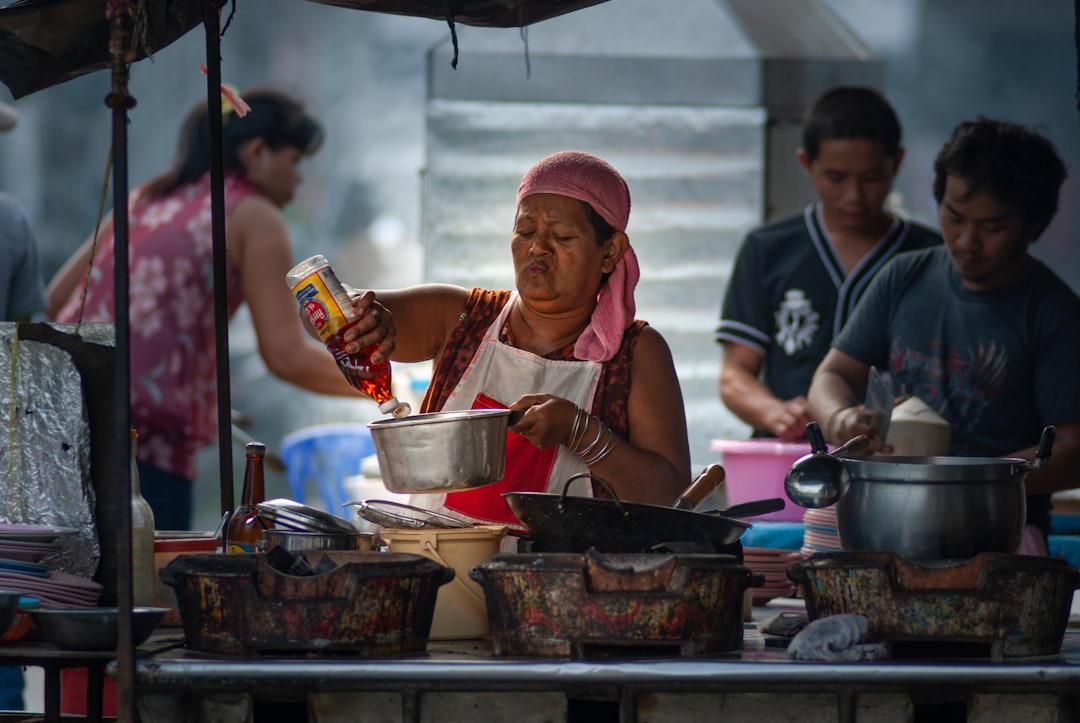
Food tourism continues grow—not just as a travel trend, but as the defining way people choose where to go, what to see, and who they become when they travel. It’s not really about the photos anymore. It’s about tasting a mole recipe that hasn’t changed in Oaxaca in 300 years. It’s about standing in a Thai street market at dawn with a cooking class instructor you’ll probably never see again. The global culinary tourism market is poised for growth from $1.06 trillion in 2025 to $1.23 trillion in 2026 at a robust CAGR of 15.6%. And honestly, that number doesn’t even feel like enough when you look at how fundamentally food has become woven into the entire travel experience.
Food Tourism Continues Grow: The Core Drivers
Food tourism continues grow for reasons that have very little to do with Instagram, though Instagram certainly helps. The real drivers are structural. The surge is driven by increased global travel, a burgeoning interest in cultural tourism, the expansion of the restaurant and food service industries, and the growing influence of social media on travel decisions.
But here’s the thing: it goes deeper. 95% of travelers around the world are food travelers. Ninety-five percent. You’re not an exception if you’re seeking out a local restaurant or trying street food in a new place—you’re mainstream now.
The rise of disposable income in emerging markets matters too. Wealthy travelers in Asia-Pacific, Latin America, and the Middle East now have both the money and the motivation to chase culinary experiences. Travel used to mean museums and beaches. Now it means asking your Airbnb host where the best food cart is.
Food Tourism Continues Grow Because Authenticity is Now Everything
You don’t want curated. You want real.
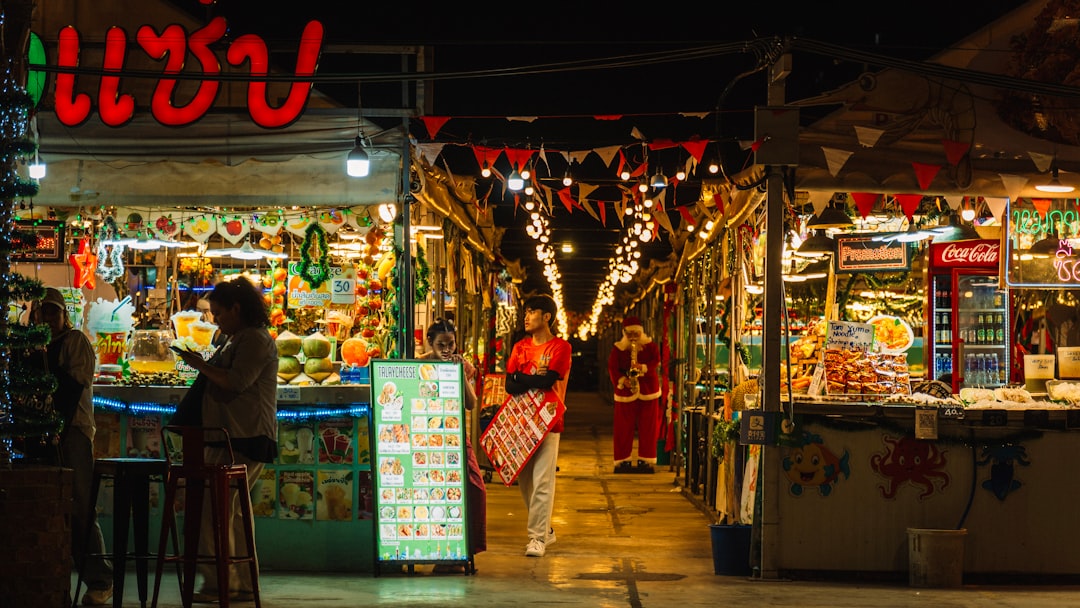
Travelers increasingly seek to connect with local cultures through their cuisine. That’s a massive shift from the old “see the sights” model. When food tourism continues grow at current rates, it’s because travelers want to go where locals eat, not where guide books say they should eat.
Take Mexico. For years, Mexico’s culinary tourism pitch was: tacos and tequila. Done. The culinary tourism in Mexico is evolving through the rise of artisanal mezcal trails, corn heritage celebrations, and regionally significant dishes rooted in cultural identity. Oaxaca has become a major attraction for travellers interested in traditional mole recipes, vibrant local markets, and authentic mezcal tasting experiences. Mexico is increasingly promoting its terroir-driven cuisine, indigenous culinary traditions, and sustainable food practices, appealing to both luxury travellers and culturally curious explorers.
That’s the new pitch. That’s what moves the needle now. Regional identity. Heritage. The story behind the dish—not just the dish itself.
The Role of Sustainability and Food Culture
Food tourism continues grow, partly, because people are tired of contributing to ugly systems.
The rising preference for sustainable and organic culinary tourism reflects a growing awareness of the environmental and ethical implications of food production and consumption. It’s not just wealthy travelers either. Millennials and Gen Z, the largest food tourism demographics, care about where their food comes from. They want farm-to-table. They want to meet the farmer.
Here’s an example: In 2024, the Culinary Tourism Alliance partnered with industry organizations to promote zero-waste food tourism events. In July 2024, Busch Systems announced its partnership with the Culinary Tourism Alliance to support Feast On® Signature Experiences in Ontario. This initiative promotes sustainability and local food systems at zero-waste events featuring locally sourced cuisine, interactive culinary demonstrations, and responsible waste management.
That’s not niche anymore. That’s the trend. Destinations that build food tourism around sustainability are winning.
Cooking Classes: The Activity That’s Eating Everyone’s Lunch
You want to know what form of food tourism continues grow fastest? Cooking classes.
The cooking classes activity type is projected to account for 41.70% of total revenue by 2025, making it the leading segment. This growth is driven by tourists’ desire to acquire hands on culinary skills, deeper cultural understanding, and personalized experiences. Cooking classes provide interactive learning combined with authentic local engagement, positioning them as a preferred activity among travelers seeking meaningful participation. The popularity of wellness and cultural enrichment in tourism has also reinforced the dominance of this segment.
Not just watching. Doing. Sweating in a kitchen in Vietnam learning to make fresh spring rolls from a 70-year-old woman who learned it from her mother. That’s the experience travelers pay premium prices for now.
And the prices aren’t small. A week-long culinary tour with cooking classes in Thailand runs $2,500 to $5,000 per person. For Asia-Pacific, that’s significant spending. Globally? People justify it as a once-in-a-lifetime investment in themselves.
Regional Champions: Where Food Tourism Continues Grow Most Aggressively
The market isn’t growing evenly. Some regions are absolutely crushing it.
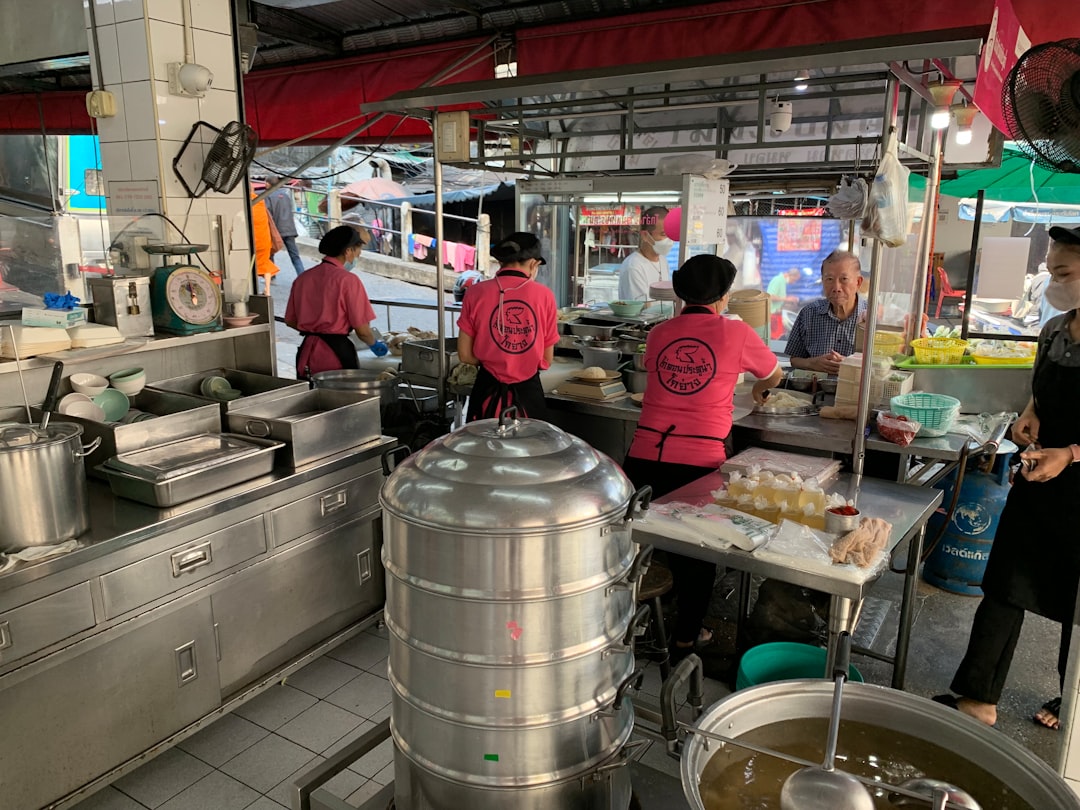
Asia Pacific leads all regions with a 43.1% revenue share. Thailand, Japan, Vietnam, and the Philippines are all positioning themselves explicitly as culinary destinations. Through a government-supported roadmap targeting 2029, the Philippines aims to become a leading culinary hub by developing regional food circuits, guided market experiences, and storytelling that highlights local ingredients and traditions.
Europe’s still strong, holding about a third of global market share. But here’s where the growth angle matters: North America is anticipated to grow at a rapid CAGR of 21.3% from 2026 to 2033. Digital food discovery and evolving foodie culture are major trends shaping the North American culinary tourism industry. Social media platforms such as Instagram and TikTok, as well as food review apps and online travel platforms, strongly influence travellers’ dining decisions. Millennials and Gen Z rely on digital content to discover hidden gems, trending restaurants, food trucks, and unique culinary experiences. Viral food trends and influencer recommendations increasingly shape destination choices and dining reservations.
North America’s growth rate is faster because it’s climbing from a lower base. But the velocity is real. You’ve got young, connected, wealthy Americans with TikTok accounts finding their way to Oaxaca and Chiang Mai specifically for the food. That wasn’t happening at scale five years ago.
Why Digital Platforms Made this Possible
Food tourism continues grow because technology made discovery frictionless.
You used to need a travel agent or a print guidebook. Now? You scroll. Visual content showcasing vibrant dishes and local markets creates aspirational appeal, often influencing travel planning decisions. Platforms like TripAdvisor, Yelp, and specialized culinary apps provide transparency and peer validation, reducing perceived risk and increasing confidence in food tourism offerings. This digital ecosystem accelerates discovery, democratizes access to niche culinary experiences, and enables small operators to reach global audiences, thus expanding the market’s reach and diversity.
A street-food tour operator in Ho Chi Minh City can now reach 50,000 potential customers through a TikTok video. That changes everything. In October 2025, Ho Chi Minh City launched a series of diverse culinary tourism programmes as part of its broader tourism strategy to make gastronomy a core draw for both domestic and international visitors, showcasing the city’s vibrant food scene by linking dining, shopping, and sightseeing experiences and helping position the destination as a leading culinary hub in Vietnam and the region.
I spent three days in Ho Chi Minh City last October (yes, it’s a tiny sample size, but bear with me). Half the people I met at my hotel’s breakfast were there because of a TikTok recommendation about banh mi. Not a Condé Nast article. Not a Michelin guide. TikTok. That’s the new distribution system, and it’s moving faster than the market reports can track.
Frequently Asked Questions
What does Food Tourism Continues Grow Mean in Practical Terms for Travelers?
It means there are more tours, more cooking classes, more restaurant reservations available, and more destinations competing for your culinary attention. For travelers, this creates both opportunity and complexity. You can now find incredibly niche experiences—fermented food tours, indigenous ingredient workshops, heritage recipe research trips—but the abundance makes selection harder.
Why does Food Tourism Continues Grow Faster than Other Tourism Segments?
Food tourism continues grow faster because it’s become aspirational and identity-building for modern travelers. Unlike monument tourism (which is static), food connects to culture, wellness, social media storytelling, and personal growth. Every meal is a potential memory, a skill, a connection. That emotional resonance drives repeat visits and premium spending. The anticipated growth is attributed to the rising demand for immersive cultural experiences, an increased focus on sustainable food systems, and the expansion of experiential travel packages.
Which Regions Should I Watch if Food Tourism Continues Grow is a Business Interest?
Asia-Pacific is the largest market by revenue, but North America and Latin America are growing faster. The Mexico culinary tourism market is anticipated to witness at a significant CAGR of 22.0% from 2026 to 2033. If you’re launching a food tourism business, Mexico and Southeast Asia are where capital and talent are flowing right now.
What Activities Drive Bookings Most When Food Tourism Continues Grow?
Cooking classes dominate, followed by food festivals, culinary trails, and restaurant experiences. Street food tours are the fastest-growing specific activity, up 21% in traveler engagement year-over-year. If you’re designing a food tourism product, interactive participation beats passive observation every time.
The Takeaway: Why this Matters to You
Food tourism continues grow because we’ve collectively shifted from consuming tourism to building identity through it. You don’t just want to see Paris anymore—you want to eat where Parisians eat and understand why. You want the story, the technique, the cultural weight. That’s not a trend. That’s a reorientation of what travel means.
This growth is anchored by three structural trends: the rising primacy of experiences in travel spending, the digital transformation of culinary tour discovery and booking, and the emergence of new high-potential culinary tourism destination markets. Those aren’t going backward. Travel operators, destination marketers, and hospitality businesses that understand this have already won. Everyone else is catching up.
If you’re planning a trip—or building a business around food—the message is the same: authenticity, sustainability, interactivity, and digital-first distribution. That’s what moves the market now. That’s what’s making food tourism the fastest-growing slice of the global travel pie.
