

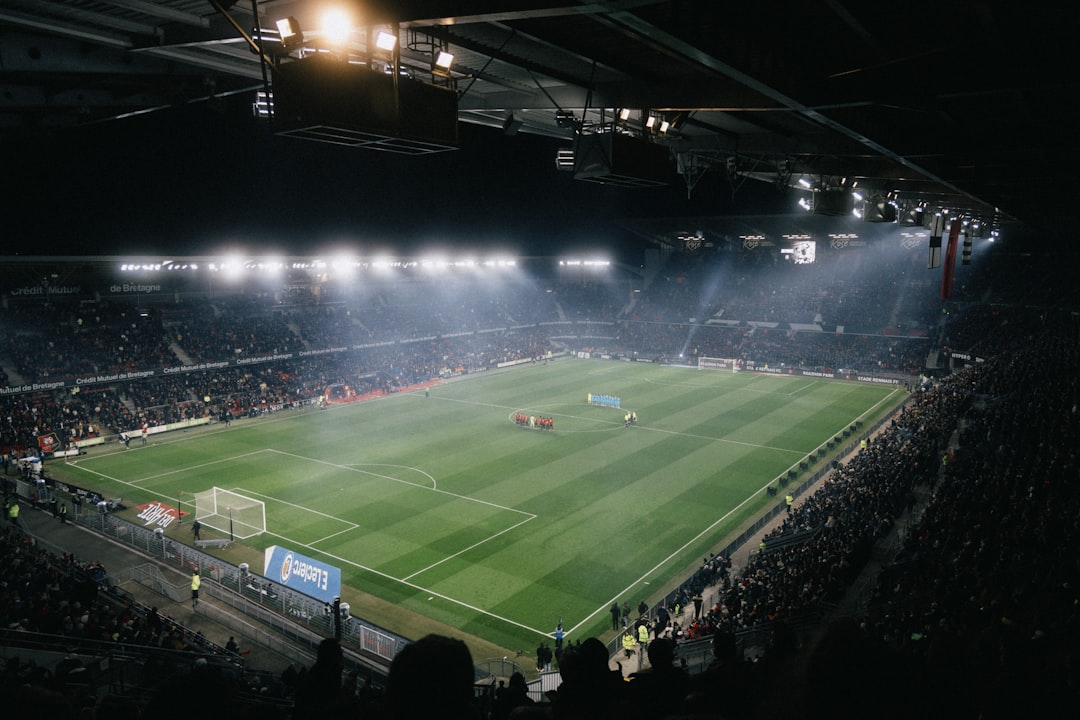
You’ve heard the pitch a thousand times. Your city wins the bid for the Olympics or the World Cup, and suddenly you’re promised that major sporting events transform local economies into goldmines — billions in spending, thousands of jobs, gleaming stadiums that become architectural pride points. The tourism minister shows up on the news, all optimism. Then reality hits.
Here’s the thing: major sporting events transform host cities, yes. But exactly how depends entirely on what actually happens behind the velvet rope.
How Major Sporting Events Transform Long-Term Infrastructure Planning
Historically, major sporting events have accelerated infrastructure development — airports, roads, public transportation networks, telecommunications systems, and urban facilities often receive upgrades that might otherwise take years to materialize. That part’s real.
But here’s where it gets complicated. The 2026 World Cup follows a somewhat different model because most stadiums already existed. Compare that to Qatar 2022, where approximately $220 billion was invested in total infrastructure including stadiums, metro, hotels, and roads. That’s not visionary planning — that’s unsustainable spending.
The 2026 hosts are investing roughly $1.5 billion in stadium upgrades — leveraging existing venues for a dramatically higher return on investment. Smart. Cost-conscious. Totally different from the last decade of tournament hosting.
The problem? These events often leave behind “white elephants” — costly facilities with little long-term use; Beijing’s Bird’s Nest stadium costs an estimated $10 million a year for maintenance, Montreal took until 2006 to pay off its 1976 Olympic debt after nearly bankrupting the city, and Athens’ 2004 Olympic facilities now stand abandoned, contributing to Greece’s debt crisis.
I once spent an afternoon in Athens in 2023 looking at those abandoned venues — rusted seating, cracked concrete, zero activity. The locals barely acknowledged them anymore.
How Major Sporting Events Transform Short-Term Tourism Spending
This is where the data gets interesting. Matchday spending rose as much as 24.6% in Toronto and 12.7% in Vancouver compared to the same period in 2025, highlighting how major sporting events can create temporary and highly concentrated “pop-up economies” driven by increased consumer spending and international visitors.
Overall card-based purchases in the 16 host cities are up 6.3% year-over-year, largely driven by a remarkable 16.7% increase from non-local visitors. Hotels, restaurants, bars, Ubers, souvenir shops — they all feast during tournament weeks. FIFA projects 5 million total spectators across all matches, with an additional 2-3 million international visitors who will attend fan zones and explore host cities without stadium tickets, and total tourism impact could reach 8 million visitors.
But here’s the catch: Hotel rates in host cities are expected to increase 200-300% during the tournament, with occupancy reaching 95%+. Great for hotel owners. Terrible for your locals trying to book a room for their cousin visiting from out of town. The money flows in fast and then evaporates just as quickly.
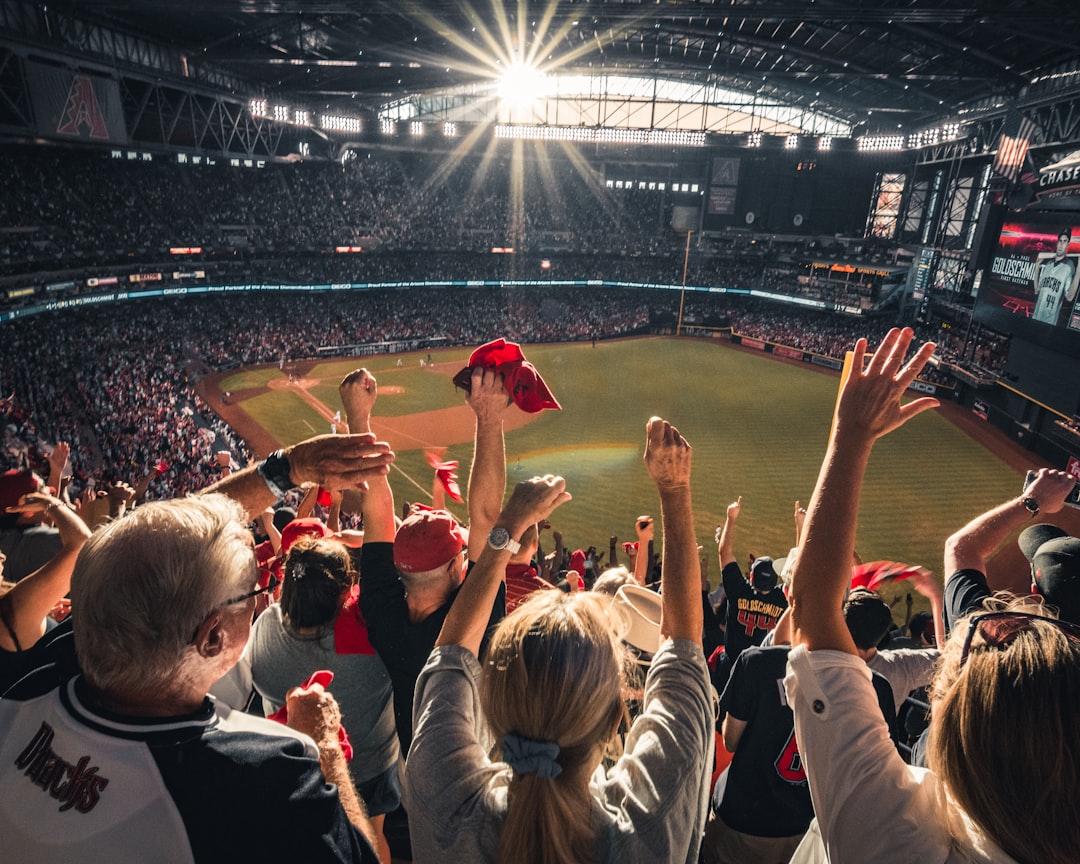
Major Sporting Events Transform Job Creation ??? Mostly Temporarily
Economic impact assessments estimate that tens of thousands of jobs will be created or sustained across the host countries; Canada alone projects more than 24,000 jobs linked to World Cup activities and an economic output of approximately CAD 3.8 billion. Sounds incredible, right?
Except: Although many positions are temporary, the event provides valuable work experience, skill development, and business opportunities for local communities. Translation — most of these people are working event-specific gigs that disappear the moment the final whistle blows. Security personnel, hospitality workers, stadium cleaners, logistics coordinators. Valuable experience? Absolutely. Permanent employment? Not for most.
The real beneficiaries are already established. Small and medium-sized enterprises often benefit from contracts related to logistics, catering, accommodation, and event services. But only if they have the capital to bid on those contracts in the first place.
How Major Sporting Events Transform Local Revenues ??? but Unevenly
Let me be direct: Local businesses certainly benefit, particularly hotels, restaurants, transportation providers and businesses located near tournament activity, because large numbers of visitors spend money on lodging, food, transportation and entertainment during the event.
But the economic benefits are often less substantial than many expect, and historical evidence gives us little reason to expect substantial, lasting economic gains for host cities.
The real problem? Host cities and other public entities generally receive little or none of the direct game-day revenue. The stadiums keep ticket sales. FIFA keeps broadcasting rights (we’re talking billions). Sponsors pocket hospitality revenue. The local government? They’re left paying for security, roads, and cleanup.
Look at actual numbers: Brazil spent $15 billion to host the 2014 tournament, yet it generated only about $3 billion from visitor spending; Russia invested over $11 billion for the 2018 World Cup, but visitor spending reached just about $1.5 billion. Do the math yourself — those countries lost money on an enormous scale.
The Current Reality: 2026 Numbers are Still Being Written
The confirmed $40 billion global economic impact figure landed at roughly half of FIFA’s own original $80.1 billion projection, a meaningful downward revision that supports the broader argument that projections from major sporting events are generally exaggerated relative to what independent, bank-verified spending data ultimately shows.
Not to point fingers, but FIFA’s initial projections were wild. And the actual number — $40 billion across three countries? Still massive. But it’s closer to reality than the fairy tales we usually hear.

Research consistently shows that some projected benefits of mega-events are often overstated; infrastructure costs, security expenses, and public spending can reduce net gains, in some cases, host cities bear substantial costs while international organizations capture much of the revenue, therefore, successful hosting requires careful planning, financial discipline, and a clear legacy strategy.
Which brings us to the 2026 difference. Unlike Qatar’s $220 billion or Paris’s €3.19 billion in infrastructure spending, the 2026 model is built on existing stadiums and targeted upgrades. That’s not accident — that’s learning from two decades of mistakes.
The Invisible Benefit Nobody Talks About
Despite its costs, the FIFA World Cup can generate short-term benefits for host cities, including what economists call “psychic income” — the pride, excitement and sense of community associated with hosting a major international event.
That sounds fluffy, I know. But it’s not worthless. The World Cup’s global audience of 5 billion will showcase these cities’ hospitality and infrastructure, driving tourism, corporate investment, and community benefits long after 2026, aligning with their broader economic diversification and global competitiveness goals.
Whether that intangible stuff actually converts to lasting economic advantage? That’s still an open question in 2026.
Frequently Asked Questions
Do Major Sporting Events Transform Host Cities Permanently?
Major sporting events transform host cities through accelerated infrastructure development — airports, roads, public transportation networks, telecommunications systems, and urban facilities often receive upgrades that might otherwise take years to materialize. However, permanence depends on strategic planning. Successful hosting requires careful planning, financial discipline, and a clear legacy strategy. Without those elements, the infrastructure becomes a financial burden instead of an asset.
How Much Money do Major Sporting Events Transform into Actual Local Spending?
Major sporting events can create temporary and highly concentrated “pop-up economies” driven by increased consumer spending and international visitors, with matchday spending rising as much as 24.6% in some cities. However, the numbers often overlook the taxpayer-funded costs of hosting, including security, transportation, venue preparation and other public services. The net gain varies significantly by city and event structure.
What are the Biggest Hidden Costs When Major Sporting Events Transform a Host City?
Infrastructure costs, security expenses, and public spending can reduce net gains, and in some cases, host cities bear substantial costs while international organizations capture much of the revenue. Cities often underestimate these costs in early bids, leading to budget overruns that take decades to recover from — Montreal’s 1976 Olympics debt wasn’t fully paid until 2006.
Can Smaller Cities Actually Benefit When Major Sporting Events Transform Local Economies?
Yes, but strategically. Small and medium-sized enterprises often benefit from contracts related to logistics, catering, accommodation, and event services. The key is having infrastructure and capital already in place before the bid is won. Smaller cities often lack this, making them more vulnerable to debt if projections don’t materialize.
The Bottom Line
Here’s what you actually need to know: Yes, major sporting events transform host cities and local economies. But the transformation is rarely as glorious as the marketing suggests.
The short-term spending spike is real — hotels fill, restaurants do their best business, people spend money freely. The job creation is real, though mostly temporary. The infrastructure upgrades can be real, if planned wisely.
What’s not real? The idea that hosting pays for itself or generates the economic bonanza you’ll hear promised during the bid campaign. The data from Brazil, Russia, and Qatar shows that pretty clearly.
The 2026 World Cup appears to be structured more smartly — existing stadiums, distributed costs across three countries, $1.5 billion in smart upgrades instead of $200 billion in fantasy infrastructure. That’s progress. Whether that smart structure survives the next tournament? Honestly, probably not. Cities always want to build something shiny and new. That’s human nature.
The real winners in any major sporting event are the international bodies (FIFA makes billions), the established hospitality industry, and — if you’re lucky — a few permanent infrastructure improvements that actually get used after the closing ceremony. Everyone else mostly just pays the bill and cheers.
