


The future of multi-generational travel experiences is no longer a niche trend—it’s become the dominant force reshaping how families plan vacations in 2026. According to Campspot’s 2026 Travel Trend Report, 85% of families plan multi-generational trips, with Millennials leading at 73%, and 82% say a desire for connection strongly influences travel plans. What used to feel like obligatory family gatherings has evolved into something intentional, strategic, and genuinely meaningful.
Here’s the thing: the pandemic permanently shifted something. After the pandemic, a new desire to reconnect and make big trips count emerged, with many families allocating budgets, time and annual leave into one extraordinary journey rather than multiple smaller breaks. That shift is still reverberating through the travel industry, and if you’re planning a trip with your parents, kids, and grandparents—you’re riding a massive wave.
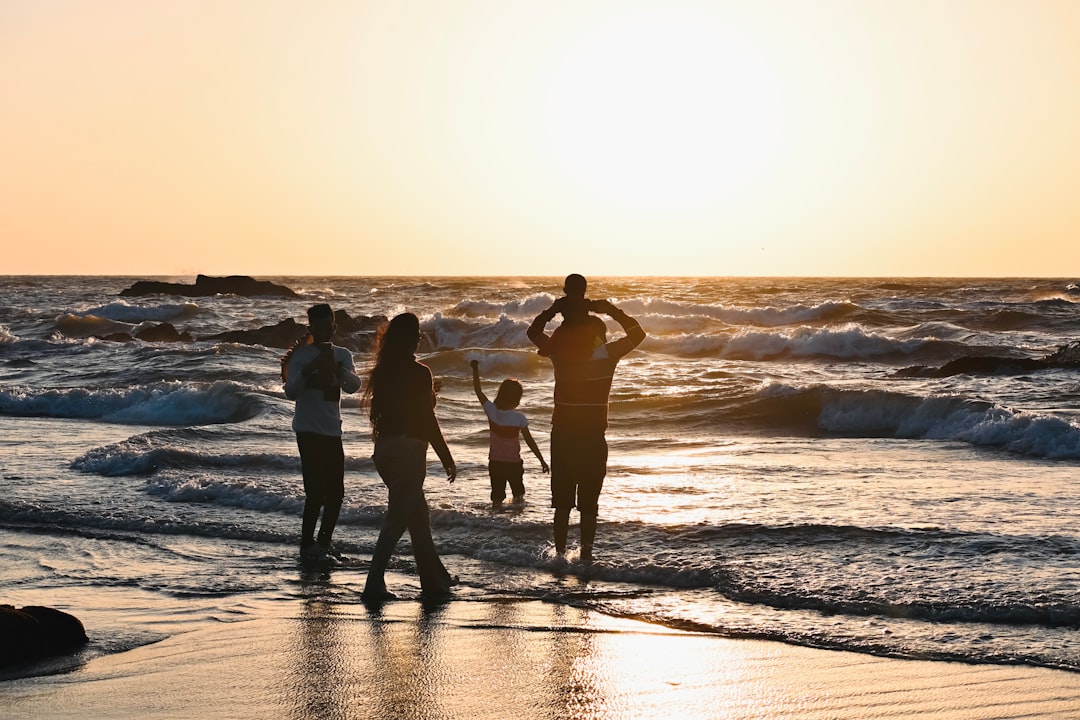
How Multi-Generational Travel Experiences are Actually Shaping the Market
The numbers don’t lie. The 2025 Global Travel Trends Report found that 85% of families plan multi-generational trips, with Millennials leading (73%), and 82% say a desire for connection strongly influences travel plans. There has been a 67% year-on-year increase in group trips of six or more across Journeyscape and sister brand Journey Latin America, indicating a surge in extended family travelling together.
This isn’t some fleeting social media trend. Surveys show 92% of parents plan to travel with their children in the coming year, reflecting a strong shift toward experience based vacations and meaningful family time. What actually matters here is the why. It’s not about checking a box. 89% of Millennials and Gen Z families say spending quality time together is their primary travel motivation.
Gen X is transitioning from traditional family trips to more diverse travel arrangements, embracing multigenerational travel with adult children and extended family, or enjoying solo travel and friend-based trips. This is key—the entire family structure has loosened up. You’re not just traveling with your nuclear family anymore. You’re traveling with cousins, adult siblings, and grandparents, all at different life stages, with competing interests.
That creates a planning headache. But it also creates opportunity.
Understanding What Each Generation Actually Wants (And Where They Clash)
Here’s where planning gets real. According to Cultural Tourism Researcher Brenda Mejía, boomers and Gen X are more inclined to fixed and planned schedules while Millennials and Gen Z are more into spontaneity and discovering their way on site. Older generations value comfort, and younger generations value adventure, immersive experiences, food, and local culture.
This is not a small difference. I once planned a three-generation trip to Portugal where my grandmother wanted a set itinerary down to meal times, my parents wanted flexibility, and my cousin wanted to discover hidden bars in Lisbon. Guess who won? Nobody—we compromised everywhere, and somehow it worked.
The compromise is the journey. Gen X is transitioning from traditional family trips to more diverse travel arrangements. The percentage of Gen Xers traveling with children under 18 has dropped significantly from 28% (2021) to just 17% (2024). Instead, they’re embracing multigenerational travel with adult children and extended family.
What this means for the future of multi-generational travel experiences: destinations and resorts need flexibility built in. Not just kid clubs and adult bars (though yes to both). Schedule shared experiences, like cooking classes or guided tours, that appeal to multiple generations. Activities that work for a 12-year-old and a 70-year-old are rarer than you’d think. But they exist—safaris, cultural workshops, food tours, nature hikes.
This generation increasingly values wellness activities during travel, from spa treatments to mindfulness workshops, reflecting their growing health consciousness and need to recharge from their hectic lives. Gen X is the “sandwich generation”—they’re burning out, and travel is therapy.
The Rise of “Skip-Generational” Travel (And Why You Should Know About It)
One of the most interesting developments in the future of multi-generational travel experiences is the quiet rise of skip-generational trips. More than one in four travelers who vacation with children (29%) are embracing skip-generation travel by sending the kids off with just the grandparents.
This is wild. Grandparents taking grandkids somewhere without the parents? That used to be rare. Now it’s a trend. Grandparents report that family travel is a great way for them to bond with their grandchildren, with 75% for multi-generational trips and 82% for skip-generation trips. The numbers are higher for skip-gen. Let that sink in.
The top choice for “multi-generational” travel (grandparents, parents, and children) remains beach vacations, whereas “skip-generational” travel (children and grandparents, without the parents present) tends towards museums and cultural attractions. It makes sense—grandparents want to share their knowledge and history. Parents want relaxation.
How Kids are Actually Planning Their Own Vacations Now (The “Kidfluence” Shift)
The future of multi-generational travel experiences isn’t just about generations traveling together—it’s about who gets to choose. Enter: kidfluence. In 2026, 73% of those who travel with children or grandchildren, globally, expect to actively encourage them to play a role in vacation planning.
In a 2025 US Family Travel Survey from the Family Travel Association and New York University, most parents report that involving their kids in trip planning has had a positive impact on their development. Around 84% of participants report their child being more open-minded and adaptable, and around 62% say it helps older kids develop a more positive outlook on life.
Now for the honest hedge: not all families handle this well. Trip planning can be incredibly stressful for families, especially if the kids or parents can’t agree on what to do and where to go. Parents might seek activities that are a bit more relaxed, within budget, and potentially educational. Meanwhile, kids will likely make fun and excitement the top priority. The sweet spot is giving kids some control—one activity per day, maybe the restaurant choice—not the entire itinerary.
Children are taking a more active role in vacation planning, with the survey finding that the majority of families let their children help plan their vacation. Most often, kids help select specific activities and excursions to do while on holiday.
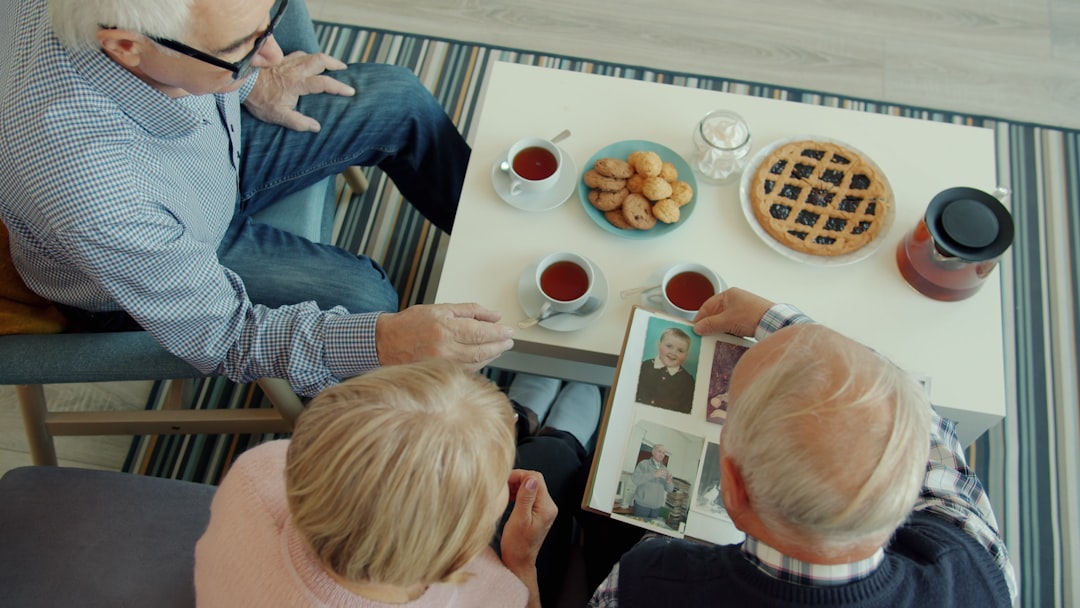
Where Families are Actually Going (And Why)
The future of multi-generational travel experiences is geographically diverse, but some patterns emerge. Ireland continues to appeal to multi-generational travelers looking for a welcoming, easy-to-navigate destination with emotional depth and broad appeal. Portugal offers strong value, accessibility, and variety, making it an increasingly popular choice for groups with different interests and energy levels.
Safaris are increasingly viewed as legacy trips, with families planning further in advance to secure the best seasons, guides, and accommodations. These are trips meant to mean something. They’re not impulse bookings.
Beach resorts still dominate—the top choice for “multi-generational” travel (grandparents, parents, and children) remains beach vacations—but with a twist. Modern families want variety. One person wants to snorkel. One wants to nap. One wants to explore local markets. The destination has to work for all three.
Travelers expect to spend an average of 15 days traveling for leisure in 2026, increasing their budgets by approximately $350. That’s actually meaningful money. Families are investing more time and more cash into single trips, which means the bar for “worth it” is higher.
Why Accommodations are Rethinking the Whole Game
If you’re running a hotel or resort and you’re still thinking about the “family suite” as your solution for multi-generational travelers, you’re behind. Hilton properties offer accommodations for groups of all sizes, from one bedroom to multi-room suites to connected rooms that join multiple parties together. Motto by Hilton Rotterdam Blaak is a great example, as the hotel’s connected rooms can host more than 24 people, across 12 connecting rooms.
Connected rooms are brilliant. They solve the actual problem: you want privacy, but you also want community. Grandpa needs peace and quiet in the morning. Toddlers need early-bird activities. Parents need to sleep in. The connected-room structure lets everyone have their own space while still being steps away.
Many family-friendly resorts also offer nursery programs with cribs, baby monitors, stroller rentals, and even diaper supplies, making it easier for parents with infants to participate in activities. But the future of multi-generational travel experiences means thinking beyond just “baby gear” and “kids clubs.” It’s about:
- Flexible dining (not everyone eats at 6 PM)
- Programming that appeals to ages 8–80 simultaneously
- Space for introverts to recharge
- Quiet zones and lively zones
Vacation rentals and Airbnb are also very popular with families prioritising multi-generational trips, to rent an entire property. A big villa with multiple bathrooms, a kitchen where people can cook if they want, a backyard where kids play while grandparents supervise—this works.
Frequently Asked Questions
What is the Future of Multi-Generational Travel Experiences in 2026?
The future of multi-generational travel experiences is marked by intentional trips that prioritize connection and flexibility across ages. Multi-generational travel is one of the biggest travel trends for 2026. Almost half (48%) of the global Hilton team members surveyed are observing more families traveling with three or more generations, signaling an appetite for epic family vacations. The shift reflects deeper social values around shared memory-making and intergenerational bonding, with families allocating budgets and time into single meaningful trips rather than scattered vacations.
How do I Plan the Future of Multi-Generational Travel Experiences When Everyone Wants Different Things?
Start by getting everyone’s input early. Planning a stress-free multi-generational vacation starts with aligning everyone early in the process. Deciding on the destination and budget together is essential, as once all family members agree, it naturally increases enthusiasm and overall buy-in for the trip. Plan flexible days so grandparents and kids can rest while others explore. The future of multi-generational travel experiences succeeds when there’s give-and-take built into the structure.
What Destinations Work Best for Multi-Generational Trips?
Ireland continues to appeal to multi-generational travelers looking for a welcoming, easy-to-navigate destination with emotional depth and broad appeal, while Portugal offers strong value, accessibility, and variety, making it an increasingly popular choice for groups with different interests and energy levels. Beach destinations remain popular overall, but cultural destinations and nature-based experiences are gaining ground for families wanting shared educational moments.
Are Kids Really Planning Vacations Now?
Yes. In 2026, 73% of those who travel with children or grandchildren, globally, expect to actively encourage them to play a role in vacation planning. This doesn’t mean handing over the entire itinerary—it means letting them choose activities, vote on restaurants, and feel ownership. The future of multi-generational travel experiences includes this “kidfluence” element, which boosts engagement and creates memories.
How Much does a Multi-Generational Family Vacation Cost?
The average family vacation costs between $2,000 and $5,000. Multi-generational trips run longer and involve more people, so budgets typically climb higher, but shared accommodations (like vacation rentals) and one coordinating trip instead of multiple smaller ones can offset costs. Older consumers, often with greater financial security, are more likely to fund or anchor family and multigenerational trips, helping sustain demand for group travel even as overall caution persists.
The Real Takeaway
The future of multi-generational travel experiences isn’t really about destinations or amenities. It’s about intentionality. Families are saying: “We’re spending real money and real time here. This matters.” That changes everything.
You don’t need a fancy resort with a six-star restaurant (though it helps). You need space for people to be themselves, flexibility in scheduling, and activities that make everyone feel included. 74% say traveling has strengthened the family bond by participating in events related to their interests. Shared experience is the commodity being sold.
If you’re planning a multi-generational trip, start early, involve everyone, and plan for flexibility over perfection. Your 8-year-old and your 75-year-old grandmother don’t need to be doing the same thing at 2 PM, but they should feel like they’re part of something together. That’s the future of multi-generational travel experiences—not one-size-fits-all, but together-fits-all.
