

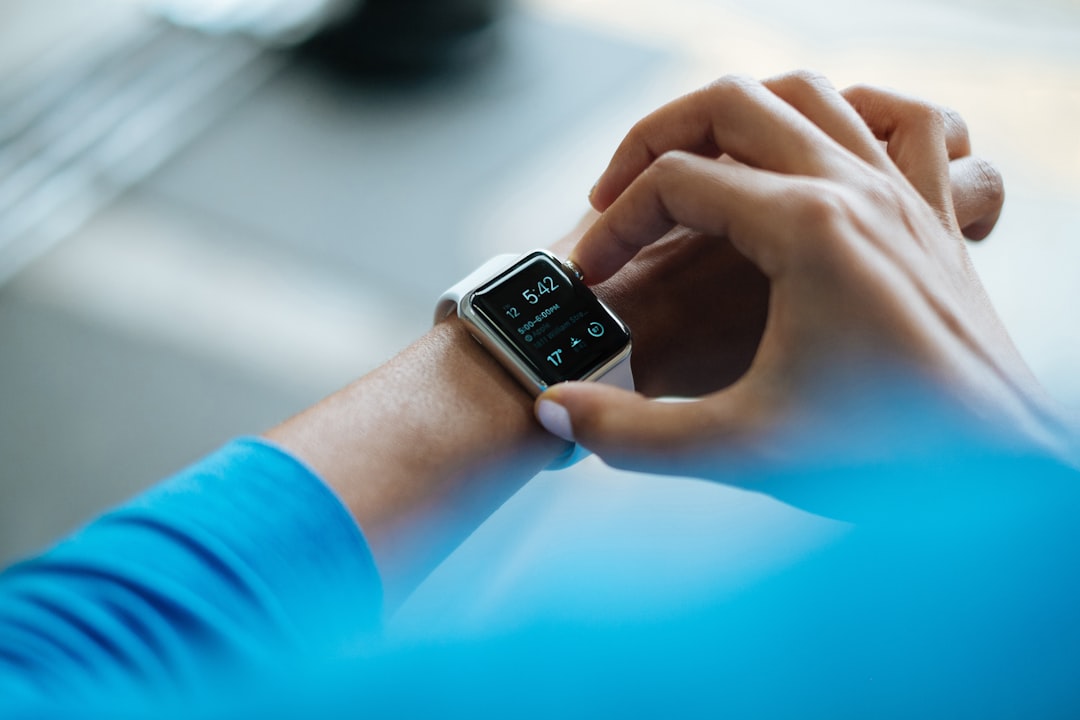
Healthcare is broken. That’s not news. Doctors spend six minutes with you, hospitals are overloaded, and nobody catches problems until they’re expensive and terrible. But here’s what’s different now: wearable medical devices preventive strategies are finally starting to shift the entire model—not because of hype, but because they’re actually working. Real patients. Real data. Real interventions happening before the crisis hits.
The global wearable medical devices market is projected to grow from USD 117.41 billion in 2026 to USD 505.28 billion by 2034, which tells you exactly how seriously the system has started taking this. This isn’t fitness trackers anymore. This is clinical-grade monitoring strapped to your wrist.
The shift toward preventive healthcare is happening quietly in thousands of doctor’s offices across North America right now. And it’s reshaping everything—from how we catch atrial fibrillation to how we manage diabetes to when we actually intervene in someone’s life. Let me walk you through what’s actually happening, not what the marketing slides say.
What Wearable Medical Devices Preventive Care Actually Means
First, clarity: when we talk about wearable medical devices preventive healthcare, we’re not talking about a Fitbit counting your steps (though that helps). Wearable technology has evolved from simple step counters into sophisticated health monitoring platforms capable of detecting atrial fibrillation, measuring blood oxygen, and even screening for hypertension.
Think about continuous glucose monitors (CGMs) for a second. Nearly 61% of diabetic patients using wearable medical equipment adopted continuous glucose monitoring devices during 2024. These aren’t lifestyle toys. They’re feeding real-time glucose data to patients and their doctors 24/7. Someone using a Dexcom or Freestyle Libre now catches their blood sugar dropping at 2 a.m., before they pass out. That’s prevention. That’s stopping a problem that used to land people in the ER.
Or take ECG monitors. In April 2026, AliveCor received CE Mark approval for its AI-powered Kardia 12L ECG System, marking a significant advancement in wearable and portable cardiac monitoring, with the system integrating AI technology to enable rapid detection of 35 cardiac conditions. You’re catching arrhythmias in people who didn’t even know they had a problem. That’s prevention.
The definition keeps changing because the devices keep getting smarter. What matters is this: prevention used to mean annual physicals. Now it means continuous signal.

The Clinical Validation Problem (And Why It’s Actually Solving Itself)
Here’s the brutal truth I learned working with hospital systems: adoption wasn’t happening at scale because doctors didn’t trust the data.
The wearable medical device market is shifting from consumer wellness tracking toward clinically validated, connected care, with demand supported by the documented rise of chronic diseases, population aging, and the expansion of remote patient monitoring for diabetes, cardiovascular disease, sleep disorders, neurological conditions, respiratory care, and rehabilitation. That’s the inflection point everyone missed.
For medical device manufacturers, adoption is strongest where hardware reliability, regulated software, cybersecurity, interoperability, and reimbursement evidence intersect. Translation: we finally stopped treating these like consumer gadgets. Hospitals now demand FDA clearance, integrated EHR systems, and actual clinical evidence. And manufacturers are delivering.
The thing nobody tells you: the reimbursement piece is huge. Insurance companies were sitting on the sidelines for years. Not anymore. Certain insurers provide a reduction of 20% for each wearable medical device, with the purpose of this discount being to aid their clients in achieving their health objectives by making medical devices more accessible and affordable. When Humana and Aetna start paying for these devices, you know the game has shifted.
But—and this is important—not every wearable is equal. Consumer-grade wearable medical devices segment led the market with the largest revenue share of 76.4% in 2025. That means three-quarters of what’s being sold is still consumer-grade stuff. Your Apple Watch is not clinical-grade. It can give you signals, but doctors aren’t staking their reputation on it yet.
Who’s Actually Using Wearable Medical Devices Preventive Monitoring
Adoption is climbing, but it’s not even.
Fifty-seven percent of U.S. adults report owning at least one wearable, such as a smartwatch or smart ring, or one connected device, including a continuous glucose monitor, smart scale or connected blood pressure cuff, a 33-percentage-point jump from 13% in 2015. That’s remarkable growth in a decade. But the problem is obvious: it’s still skewed.
Device owners are generally younger, wealthier, more urban, healthier, and more likely to be commercially insured, with device owners more likely to describe their health as “excellent” (23%), while non-owners are more likely to report moderate, poor, or very poor health.
Read that again. The sickest people—the ones who need preventive monitoring most—are the least likely to have it. That’s not a device problem. That’s a healthcare system problem. Until insurers mandate these for high-risk populations, we’re just letting wealthy healthy people get healthier while everyone else waits.
The engagement numbers are solid though. Eighty-three percent of wearable users wear their devices five days per week or more, and 59% say they always or nearly always wear theirs. Once people get one, they stick with it. I’ve seen this—people don’t just forget a device that’s literally on their wrist telling them their heart rate is weird.
How Wearable Medical Devices Preventive Data Actually Changes Doctor-Patient Conversations
I once spent an hour on a video call with a cardiologist explaining to a patient why his Fitbit data couldn’t diagnose heart disease. The patient was convinced—absolutely convinced—that his device was smarter than his doctor. It’s both funny and a perfect example of the collision happening in clinics right now.
The data sharing gap is real. While 78.4% of wearable users are open to sharing their data with healthcare providers, only 26.5% have actually done so. That massive gap is partly friction (most EHR systems can’t ingest wearable data), partly paranoia (privacy fears are legitimate), and partly confusion (what data even matters?).
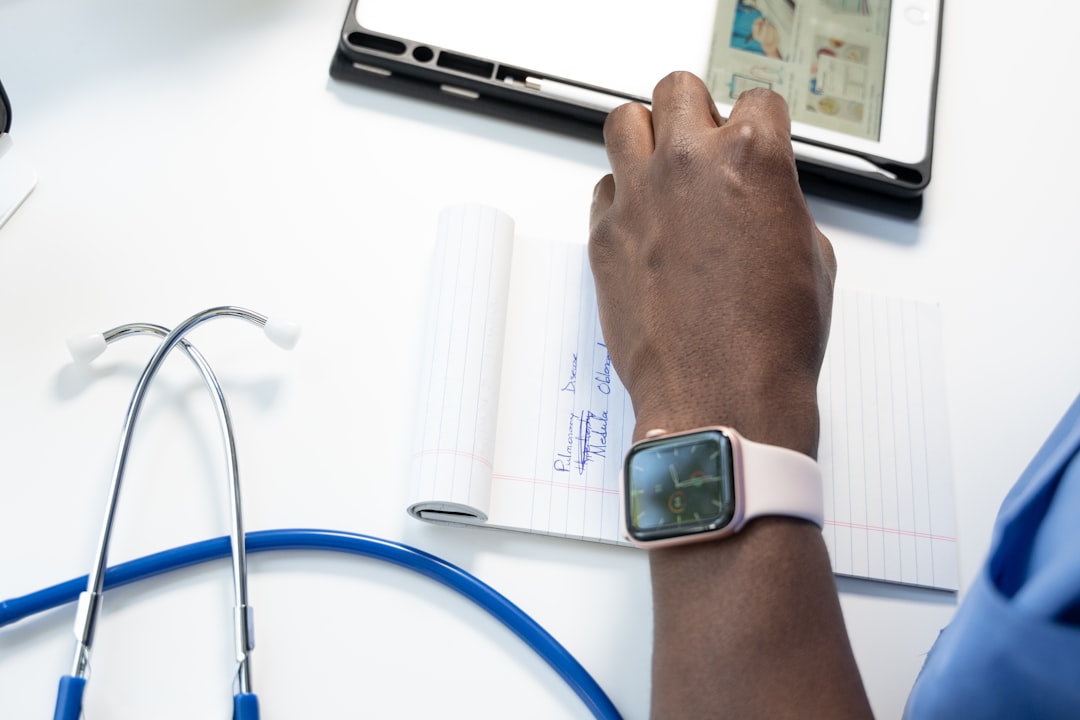
But the forward-looking systems—Mayo Clinic, Cleveland Clinic, Epic integrations—are starting to pull wearable data directly into the medical record. When a patient’s Oura Ring shows two consecutive nights of poor sleep, elevated resting heart rate, and elevated temperature right before a diabetes clinic visit? That’s not noise. That’s a signal saying “something’s brewing.”
In May 2026, Oura Health expanded its AI-powered health platform by enhancing its predictive analytics capabilities, integrating longitudinal health history with real-time biometric data from the Oura Ring, enabling more accurate forecasting of cardiovascular risks, sleep-related conditions, and overall wellness trends, supporting proactive health management and personalized care strategies. That’s the conversation changing. Not “your Fitbit told you to exercise,” but “your ring is showing we should order an ECG and check your metabolic panel.”
The best use case? Chronic disease management. If you have type 2 diabetes or heart failure, a wearable medical devices preventive approach lets you catch decompensation days before it becomes an ER visit. That saves money. More importantly, it saves risk.
The AI and Predictive Layer is Where it Gets Real
Consumer wellness data is mostly noise. Real health data becomes actionable when AI is sitting on top of it.
Nearly 58% of wearable medical devices now integrate artificial intelligence for predictive health analytics and early diagnosis support. That’s not surprising. What matters is how good that AI is.
The FDA’s approach matters here. The FDA issued updated guidance in January 2026 reducing oversight of low-risk AI-enabled wearables and wellness devices. This is both good and risky. It accelerates innovation—companies don’t need years for approval anymore. But it also means more junk gets through. You need to read the footnotes. Is this AI trained on 10,000 people or 10 million? Is it validated in the population that looks like you?
Here’s an example: someone with Apple Watch’s latest ECG feature, combined with cardiology-grade AI, can detect paroxysmal AFib (the kind that comes and goes) way better than someone getting an ECG once a year in the office. That’s genuinely powerful. But a basic algorithm just flagging heart rate variability as “abnormal” and scaring a healthy 30-year-old? That’s noise.
The winners in this space—the companies that are actually being adopted by hospitals and insurers—are the ones doing the work: partnering with cardiologists, publishing validation studies, proving their AI works in real populations with real comorbidities.
Remote Patient Monitoring is Where Prevention Meets Money
This is the part hospitals actually care about, and I don’t mean that cynically.
The wearable medical equipment market is expanding rapidly due to increasing adoption of remote patient monitoring technologies, digital healthcare integration, and chronic disease management solutions, with approximately 69% of healthcare providers worldwide adopting wearable monitoring devices for continuous patient tracking between 2023 and 2025.
Remote patient monitoring (RPM) using wearable medical devices preventive strategies is literally reducing hospital readmissions. Heart failure patients on home monitoring protocols catch decompensation before they crash. Hypertensive patients on remote BP monitoring get medication adjustments before their numbers spike into danger. These aren’t theoretical benefits. Medicare and private insurers are paying for RPM codes specifically because it reduces readmissions.
But there’s a catch (there’s always a catch): the infrastructure has to be there. You need a clinic nurse or app reviewing data daily. You need clear escalation pathways. You need doctors who actually respond to alerts. Many healthcare systems have the devices but not the workflow. That’s where adoption stalls.
The financial model is shifting though. Growth is underpinned by the structural shift toward value-based healthcare, where continuous monitoring and early intervention reduce hospital readmissions and overall costs. When a hospital gets paid per patient outcome (value-based care) instead of per test or visit (fee-for-service), suddenly a $300 CGM or blood pressure cuff starts looking like a bargain.
Frequently Asked Questions
Can Wearable Medical Devices Preventive Monitoring Actually Detect Serious Diseases Early?
Yes, but with caveats. Devices like ECG monitors can catch arrhythmias and some forms of heart disease; CGMs detect glucose abnormalities weeks before traditional labs. However, not all serious conditions show early signals wearables can detect. Validation matters—FDA-cleared devices with published clinical data are more reliable than consumer wellness trackers. Talk to your doctor about which devices matter for your specific risk profile.
Are Wearable Medical Devices Preventive Enough to Replace Regular Doctor Visits?
No. They augment, they don’t replace. What remains unresolved is impact—in what these devices can generate and what can be done with this data to meaningfully improve health outcomes. A wearable might catch a signal, but you still need a clinician to interpret it, order follow-up testing, and adjust treatment. Annual physicals and preventive screening still matter.
What Wearable Medical Devices Preventive Features Should I Actually Care About?
Track what matters for your health. If you have hypertension, a validated blood pressure monitor makes sense. If you’re diabetic, a CGM is life-changing. If you have cardiac risk, an ECG-capable device matters. If you’re otherwise healthy and young? Activity tracking and sleep monitoring have smaller ROI. The best device is the one you’ll actually wear and that addresses your specific risk factors.
How do I Make Sure My Data is Secure with Wearable Medical Devices Preventive Apps?
Check for HIPAA compliance (required for medical-grade devices), encrypted data transmission, and clear privacy policies. Read the fine print—some companies sell aggregate data, which is theoretically de-identified but still worth understanding. If the device is FDA-cleared and integrated into your hospital’s system, it meets higher security standards than consumer apps.
Will My Insurance Cover Wearable Medical Devices Preventive Equipment?
Growing list of yes. Some insurers reimburse CGMs for all diabetics now. Others cover smartwatches with ECG for high-risk cardiac patients. RPM devices are covered by Medicare if your doctor orders them. Best move: call your insurance and ask what they’ll pay for before buying. Prices range from $100 for basic smartwatches to $5,000+ for clinical-grade blood pressure or glucose systems.
Here’s What Actually Matters
Wearable medical devices preventive healthcare isn’t hype anymore. It’s measurable, it’s reimbursed, and it’s changing outcomes. But—and this is crucial—it’s not magic. It’s a tool. A good tool, sure. But only if it’s validated, integrated into your actual care, and used by someone who knows how to read the signal versus noise.
The uncomfortable truth: adoption is climbing fast for wealthy, healthy people who don’t need it as much, while sicker, lower-income populations—the ones who’d benefit most—are getting left behind. That’s not a device problem. That’s policy and equity. Until that gap closes, we’re just making rich people richer (by helping them stay healthy) while the system still breaks down for everyone else.
If you have multiple chronic conditions, live near a health system with integrated wearable monitoring, or carry cardiac or metabolic risk? Go get a validated device and show your doctor the data. You might catch something that saves your life. Just don’t expect it to replace the hard work of actual medicine.
Medical disclaimer: This article is for general informational purposes and is not medical advice, diagnosis, or treatment. Always consult a qualified physician or healthcare professional for guidance specific to your condition. Do not start, stop, or change any treatment based solely on what you read here.
Legal disclaimer: This article is for general informational purposes and is not legal advice. Laws and regulations vary by jurisdiction and change over time. Consult a qualified lawyer or attorney licensed in your jurisdiction for guidance specific to your situation.
