

Medical Robotics Beyond Operating Room: The Shift is Already Happening
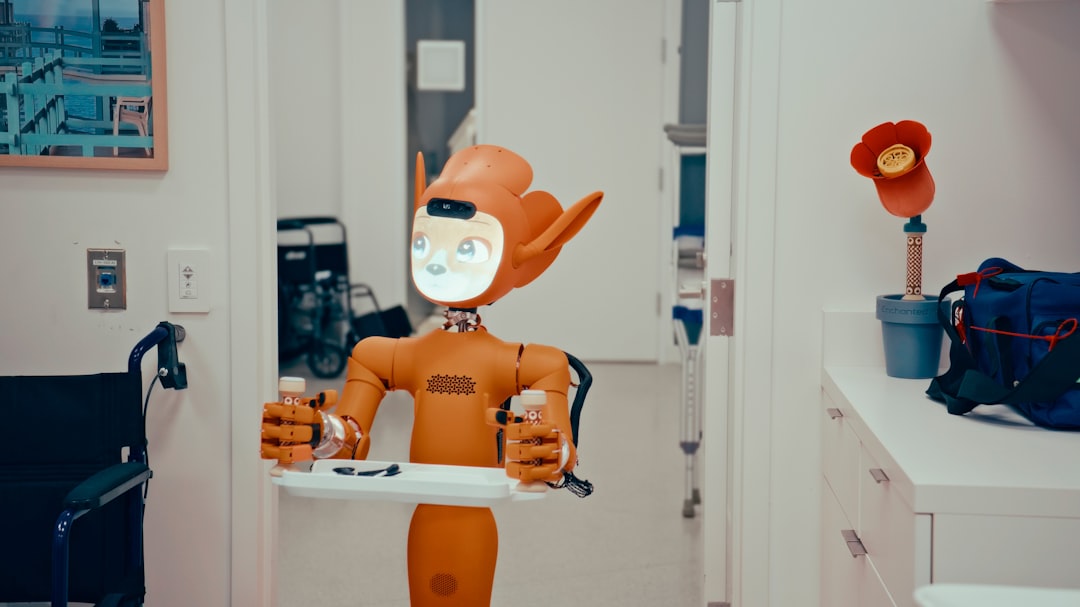
When you hear “medical robotics beyond operating,” the gut reaction is usually: What could possibly be more important than helping surgeons cut straighter and safer? Here’s the thing — the answer is everything else. Medical robots are no longer limited to futuristic hospitals or complex surgical procedures. They are gradually becoming part of everyday healthcare, helping hospitals manage routine work, assist patients, and improve operational efficiency.
The operating room was just the opening act. What’s unfolding now — in rehabilitation centers, pharmacy stockrooms, patient rooms, and hospital hallways — is the real story. And frankly, it’s less glamorous than da Vinci headlines, but infinitely more disruptive to how hospitals actually function.
Medical Robotics Beyond Operating is Redefining Hospital Logistics
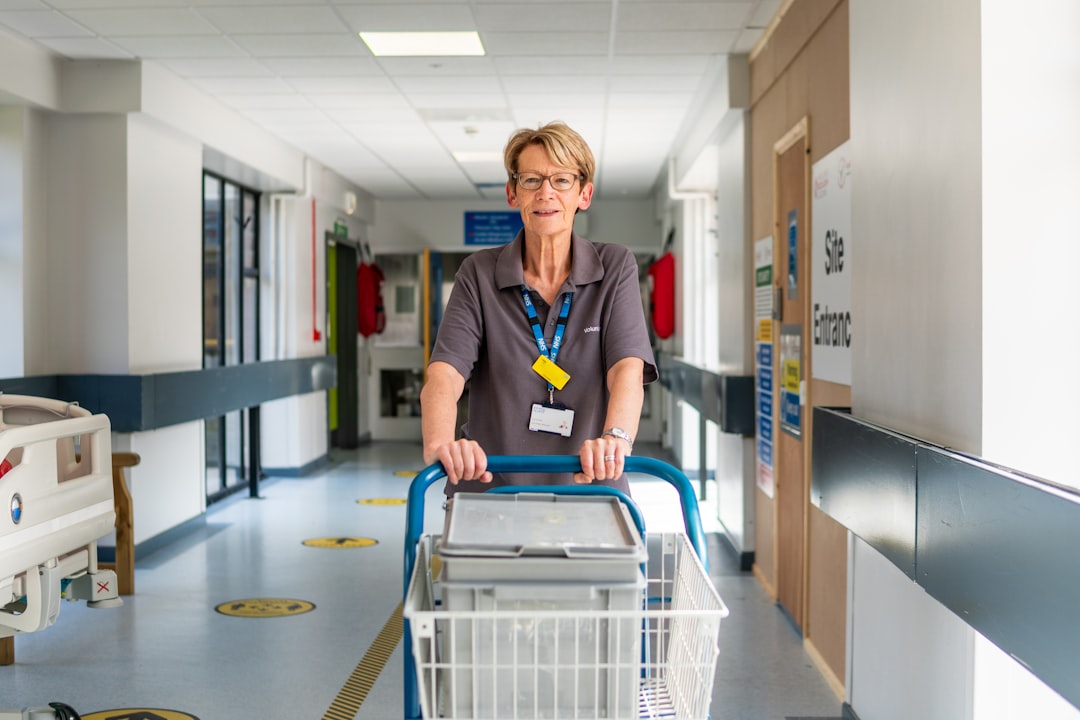
Forget the surgical narrative for a moment. Robots can transport medicines and samples, disinfect hospital rooms, assist patients, support rehabilitation, and help healthcare staff with repetitive tasks. I once spent an afternoon observing a hospital’s internal medicine distribution workflow — nurses spent 40% of their time fetching things from storage. A logistics robot doesn’t fix diagnoses, but it frees up someone to actually care for a patient.
The global medical service robots market was valued at USD 14.46 billion in 2025, reached USD 15.88 billion in 2026, and is projected to reach around USD 36.96 billion by 2035. That’s real spending. Real adoption. Real belief that medical robotics beyond operating room workflows adds measurable value.
The catch? Smaller hospitals are struggling. Automation is also moving beyond large hospitals. Rehabilitation centers, laboratories, pharmacies, and specialized healthcare facilities are exploring robotics for specific operational needs. The upfront cost is brutal (we’re talking six figures, minimum), so deployment remains concentrated in systems with deep pockets.
Medical Robotics Beyond Operating: Rehabilitation and Patient Care are the New Frontier
This is where the conversation shifts from efficiency to dignity. At MEDICA 2025, exhibitors demonstrated how robotics is changing rehabilitation and making therapies more accessible. Exoskeletons aren’t science fiction. They’re in physical therapy departments right now, helping stroke patients relearn how to walk, assisting with weight distribution during recovery.
The psychological shift matters too. A robot doesn’t get tired coaching a patient through their 50th repetition of an exercise. A therapist does. Medical robotics beyond operating room contexts removes fatigue from the equation and lets humans focus on emotional support and decision-making — the parts of care that actually require human judgment.
We’re not there yet with widespread adoption (and yes, some of this technology still feels clunky), but the trajectory is clear. Robots handling the mechanical, repetitive parts. Humans handling everything that requires empathy or intuition.
Data, Telemedicine, and the Extended Surgical Ecosystem
Here’s something most people miss: medical robotics beyond operating isn’t just about moving pills or assisting with walking. Beyond the operating room, these systems generate valuable data that can be used to improve outcomes, enhance surgeon training, and drive procedural consistency—extending the value of robotics across the full care continuum.
Imagine a surgeon in Boston training a resident in Phoenix. Real-time telementoring. Hands-on guidance through a robotic interface. The Touch Surgery™ ecosystem connects the entire surgical journey: bridging pre-operative planning and training, intra-operative tele-mentoring and tele-proctoring, and AI-powered post-operative insights, simplifying workflows and extending access beyond individual ORs.
The operating room is no longer the end of the robotic story. It’s the center of an entire ecosystem. Training happens through it. Feedback flows from it. There’s a growing emphasis on delivering post-op performance reports that help surgeons analyze their technique and outcomes. For example, Intuitive Surgical’s da Vinci 5 robotic surgery system offers feedback during surgery as well as post-op reports that surgeons can leverage.
In January 2026, the American College of Surgeons reported that more than 12 million surgeries had been performed globally using da Vinci systems, highlighting the expanding role of robotic surgery in improving outcomes, reducing recovery time, and supporting minimally invasive care.
Medical Robotics Beyond Operating Continues to Expand into New Specialties
The money is flowing. The global surgical robots market size was valued at USD 14.1 billion in 2025 and is projected to grow from USD 17.2 billion in 2026 to USD 45.6 billion by 2033, at a CAGR of 14.9% from 2026 to 2033. That kind of growth only happens when systems actually work and hospitals see ROI.
What’s changing is where that money is getting spent. General surgery was the kingdom. Now? Urology, gynecology, thoracic surgery, cardiology — medical robotics beyond operating room applications is creeping into every specialty. Robotic systems are expanding beyond traditional applications into increasingly specialized areas. Cardiovascular and thoracic robotic surgery allows minimally invasive access to the heart without requiring surgeons to crack the sternum.
There’s also a miniaturization trend that matters more than it sounds. Miniaturized robotic systems can be deployed in any standard operating room—eliminating the need for a dedicated “robot room”—and their reusable, easily sterilizable design streamlines setup, enabling faster procedures and quicker turnover for patients and operating staff.
Translation: You don’t need a $2 million specialized suite anymore. You need space in a regular OR. That changes adoption economics everywhere.
Honestly, the Barriers are Still Real
Let’s not pretend this is frictionless. The surgical robots market faces significant cost-related challenges that are likely to hinder broader adoption, especially in healthcare settings with tight budgets. And training. And regulatory stuff. And the simple fact that some surgeons trained in the old way see robots as a threat rather than a tool.
But momentum exists. Hospitals are moving forward. Medical robotics beyond operating room contexts is becoming standard infrastructure, not bleeding-edge theater. It’s boring now. That’s how you know it’s actually working.
Frequently Asked Questions
What Exactly is Medical Robotics Beyond the Operating Room?
It refers to robotic systems deployed in hospitals and healthcare facilities outside of surgical suites — in logistics, patient care, rehabilitation, and administrative functions. Rather than just assisting surgeons, these robots handle drug distribution, room disinfection, patient mobility support, and other routine hospital tasks, plus they generate data that extends surgical value across training and post-operative care.
How is the Medical Robotics Beyond Operating Room Market Growing?
Extremely fast. The global medical service robots market reached USD 15.88 billion in 2026 and is projected to reach around USD 36.96 billion by 2035, with the market expected to expand at a 9.84% CAGR from 2026 to 2035. Most growth is happening in logistics and rehabilitation applications rather than pure surgical systems.
Why is Medical Robotics Beyond Operating Room Deployment Slower in Small Hospitals?
Cost. A functional logistics robot or rehabilitation system runs $500,000 to $2 million in capital expense, plus installation and training. Small hospitals with limited budgets can’t absorb that hit. Larger health systems can. That’s creating a two-tier adoption gap that may take years to close.
Can Medical Robotics Beyond Operating Improve Patient Outcomes Outside Surgery?
Yes, in specific ways. Rehabilitation robots help stroke and injury patients regain mobility faster because they provide consistent, non-fatiguing assistance. Logistics robots reduce patient wait times because medicines and samples move quicker. But the gains are incremental, not revolutionary — which is why adoption is pragmatic rather than hype-driven.
Will Medical Robotics Beyond Operating Eventually Replace Human Nurses and Therapists?
No. Mostly. The robots handle the repetitive, mechanical work. Nurses and therapists handle assessment, decision-making, emotional support, and complications. It’s role compression, not replacement — humans end up doing higher-value work, which is better for them and better for patients (assuming hospitals don’t just use the freed time to cut staff, which — let’s be honest — some will).
The Real Takeaway: The Operating Room was Just Phase One
Medical robotics beyond operating room applications isn’t a tangent. It’s the main plot. Surgery was where robots proved themselves. Now they’re proving they matter everywhere else — in the hallways, the recovery rooms, the stockrooms, the therapy centers. The operating room made headlines. Everything else is making money and saving time.
What’s happening in 2026 is hospitals realizing that robotics doesn’t belong just in surgery. It belongs in the ecosystem. And that shift — unsexy, pragmatic, spreadsheet-driven — is the most important story in healthcare technology right now.

1 Comment
Pingback: Wearable Medical Devices Preventive Care: 2026 Clinical Impact