

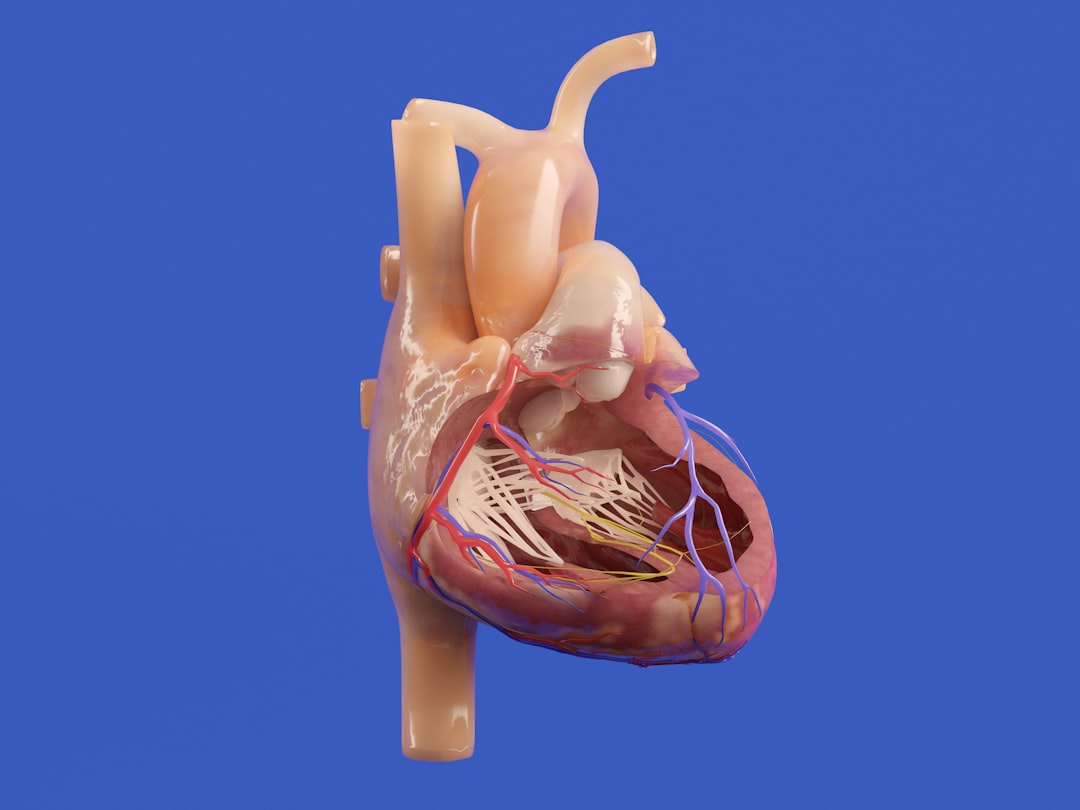
3d bioprinting transform organ replacement isn’t just a scientific promise anymore—it’s starting to happen in real time. Right now, in 2026, if you need a new heart, liver, or kidney, you’re likely looking at a waiting list measured in years. That’s not rhetoric. The increasing need for organ transplants and tissue repair, along with inadequate donor organs, poses a serious challenge in healthcare, with thousands of patients every year waiting for suitable organs. But there’s a quiet revolution brewing in laboratories worldwide, and it’s built on something most people don’t even realize is possible: printing functional organs layer by layer.
The stakes couldn’t be higher. And the technology? It’s genuinely closer than you think.
The Current Organ Shortage is Driving Everything
Let’s be honest. The transplant system is broken. Not fundamentally broken in how we approach ethics—that part mostly works. But mathematically? The math is horrifying.
Every year, hundreds of thousands of people die waiting for organs that never arrive. The problem isn’t lack of willingness to donate; it’s the sheer scarcity. The gap between people who need organs and available donors continues to widen. And as populations age, the demand only accelerates.
This shortage is the entire reason 3d bioprinting transform organ replacement has become a serious research priority. It’s not an abstract academic exercise. It’s a direct response to a medical crisis that kills people today.
The numbers are staggering enough that governments and private investors are dumping serious money into solutions. The ARPA-H PRINT program allocated USD 65 million in March 2024, along with NASA’s five-year BioNutrients experiments, illustrating how public capital is accelerating toward clinical goals. When NASA and the Defense Advanced Research Projects Agency both think your technology matters, you know it’s not hype.
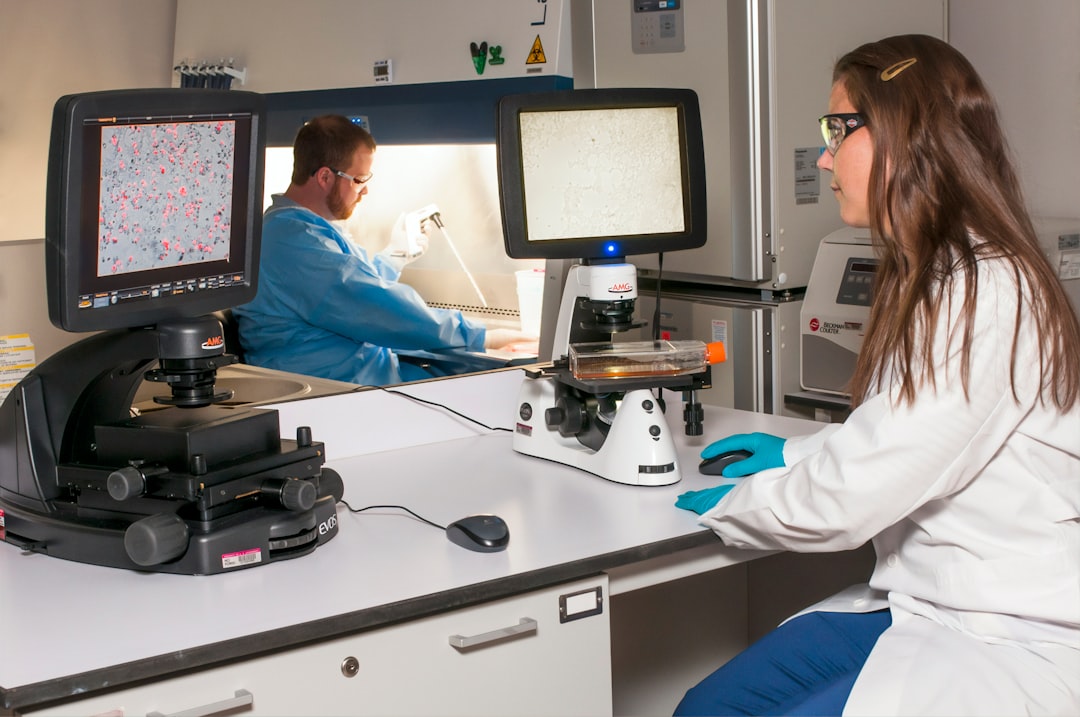
What 3D Bioprinting Transform Organ Technology Actually does
Here’s where most people get confused.
When someone headlines scream “scientists 3D-print a kidney,” what they actually mean is: scientists printed something that looks like kidney tissue and behaves like it in certain ways. That’s not nothing. It’s huge. But it’s not the same as printing an organ that can be transplanted into your body tomorrow.
By utilizing bioinks composed of living cells and biomaterials, 3D bioprinting enables the precise layer-by-layer construction of functional tissues and organs. The process itself is elegant. You load a bioprinter—think of it as a 3D printer’s more sophisticated cousin—with “bioink.” That’s a mixture of living cells suspended in a carrier material. Then the machine deposits that ink, layer by microscopic layer, in a pattern determined by computer modeling. Gradually, structure emerges. Complexity builds.
Foundational mechanisms include inkjet, extrusion-based, laser-assisted, and stereolithography methods, which balance resolution and cell viability alongside next-generation bioinks like decellularized ECM, hybrid nanocomposites and functionalized hydrogels.
The catch? And there is a catch. Creating functional replacement organs is vastly harder than creating tissue samples. Here’s why: most organs do actually need a blood supply. Cells need oxygen and nutrients, and they produce waste that needs to go somewhere. The main challenge of maintaining 3D printed tissue viability is the inclusion of complex vascular networks for nutrient transport and waste disposal.
Solving that is still mostly unsolved. Mostly.
Where 3D Bioprinting Transform Organ Technology is Actually Working Today
The real wins right now? They’re not in replacements. They’re in drug testing.
Bioprinted liver tissue, organized clusters of liver cells in 3D structures, can be used to test how drugs are metabolized. Bioprinted tumor models help cancer researchers study how tumors grow and respond to treatments. You can also print “organs-on-chips”—miniature devices that combine printed tissue with microfluidic systems. Heart-on-a-chip devices combining bioprinted cardiac tissue with microfluidic systems let researchers test cardiac drugs more accurately than traditional cell culture.
Why is this useful? Because it dramatically reduces the need for animal testing. Pharmaceutical companies spend billions on drug screening, and much of that involves testing on mice, rabbits, and dogs. Those models don’t always translate to humans. Bioprinted human tissue is human tissue. It responds to drugs like human tissue should.
There’s also real progress on skin. These skin substitutes typically contain dermal fibroblasts and keratinocytes, the main cell types in skin, printed into thin layers, and are used as temporary grafts to promote healing, not as permanent replacements. Not replacements yet—but functional. Useful. Better than what we had.
And here’s something nobody expected: bone. Bioprinted bone has now reached the level of in vivo implantation, with the ability for this material to incorporate with native bone and surrounding tissue.
That’s a win. A real, transplantable win. In 2026.
The Market is Exploding (And that Matters)
When investors and corporations throw money at something, it accelerates. That’s just how innovation works.
The 3D bioprinting market is experiencing exponential growth. The 3D bioprinting market was valued at USD 1.67 billion in 2025 and estimated to grow from USD 1.93 billion in 2026 to reach USD 3.98 billion by 2031, at a CAGR of 15.59%. But other analysts project even steeper curves. The global 3D bioprinted human tissue market size is valued at USD 3.57 billion in 2026, projected to reach USD 16.33 billion by 2034 at a CAGR of 20.94% during 2026–2034.
The variance between forecasts (from $1.93 billion to $16+ billion by 2030s) tells you something important: nobody really knows. It’s too early. There are too many variables. But everyone agrees on direction: up. Fast.
North America held 38.70% of the 3D bioprinting market in 2024, while the Asia-Pacific region is the fastest-growing, with an 18.35% CAGR to 2030, driven by policy reforms in India and Japan that support regenerative medicine.
This investment matters because capital drives development. More startups. Better equipment. Faster iteration. The race is on.
What’s Actually Blocking Full Organ Replacement (And What’s Happening About It)
Let’s be clear-eyed here. Nobody is taking home a 3D-printed heart from a hospital yet.
The barriers are real:
Vascularization remains the core problem. Rapid development and discoveries in recent years have taken huge strides toward perfecting the incorporation of vascular networks in 3D printed tissue and organs. But a complex organ like a liver or pancreas has thousands of tiny blood vessels interwoven with functional tissue. Printing that level of complexity is still mostly theoretical.
Regulatory pathways are unclear. The FDA has approved some bioprinted devices for specific uses, but a full replacement organ? That requires a approval pathway that doesn’t quite exist yet. Translational considerations for organ-scale bioprinting address GMP compatibility, scalability, quality control, immune considerations, regulatory pathways, and economic constraints.
Immune rejection is unsolved. Even if you print a perfect liver, your body might still attack it. The solution (which researchers are pursuing) is to use cells from the patient themselves—custom-printed organs made from your own genetic material. That’s theoretically perfect but practically complicated at scale.
Cost is sky-high. Right now, a single bioprinted construct costs thousands to tens of thousands of dollars to produce. For organ replacement to work at scale, those costs need to come down 10-fold or more.
But here’s the thing: most of these aren’t physics problems. They’re engineering problems. Solvable problems. And the fact that bone replacement is already working clinically suggests the path forward is real.
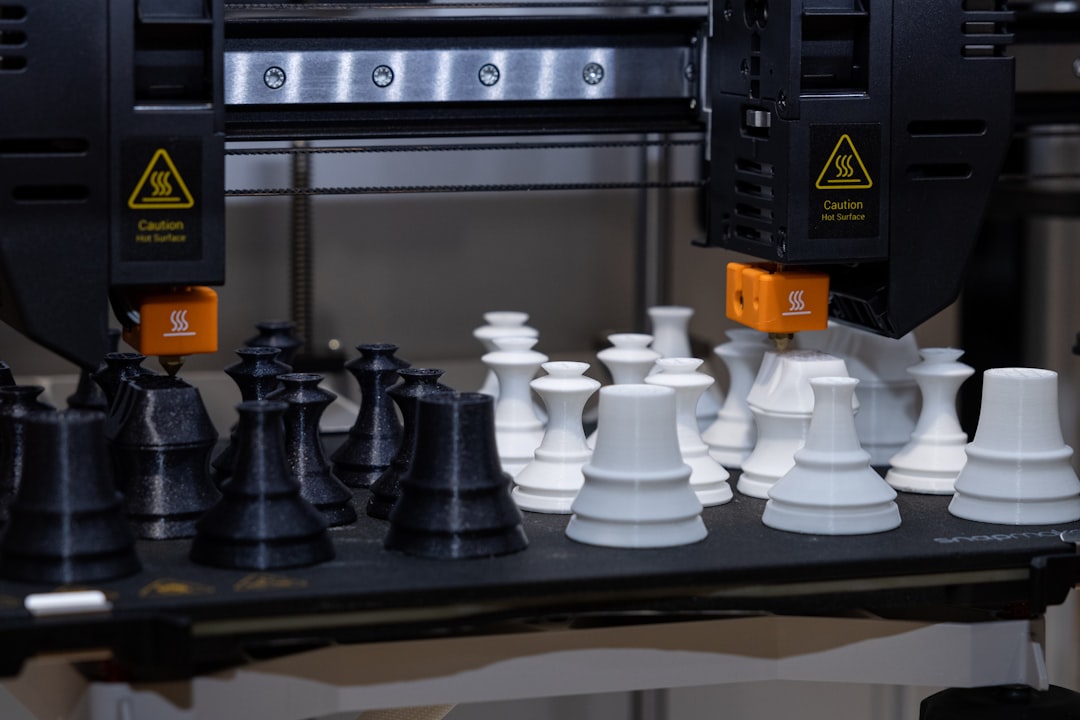
3D Bioprinting Transform Organ: Who’s Actually Building This?
Several companies are racing toward commercialization.
Cellink, 3D Systems Corporation, 3D Bioprinting Solutions, REGEMAT 3D and Aspect Biosystems Ltd are major companies in the space. Some are focused on hardware (the bioprinters themselves). Others are focused on bioinks. A few are trying the whole vertical.
The innovation happening is not incremental. Innovations in bioink formulation—such as smart hydrogels, decellularized extracellular matrices, and stimuli-responsive materials—enhance biocompatibility, precision, and structural integrity, while next-generation bioprinters equipped with high-resolution inkjet, extrusion, and laser-assisted technologies enable the creation of complex, multi-layered biological structures that closely mimic human tissue architecture.
And artificial intelligence is changing the game. Integration with AI and machine learning is improving process automation, real-time monitoring, and optimization of print parameters, thereby increasing reproducibility and reducing error rates. AI can design organs, predict outcomes, and troubleshoot failures in real time. That’s genuinely different from five years ago.
Frequently Asked Questions
What Exactly does 3D Bioprinting Transform Organ Replacement Mean?
3d bioprinting transform organ replacement describes the process of using 3D printing technology to create functional biological organs from living cells and biomaterials. These organs are built layer by layer in a precise pattern designed by computer models, and can eventually serve as transplant alternatives to donor organs.
Why is 3D Bioprinting Transform Organ Technology Important for the Future of Medicine?
The global organ shortage is critical: hundreds of thousands die annually waiting for transplants. 3d bioprinting transform organ solutions could eliminate waiting lists by creating organs on demand. It could also enable personalized medicine—organs custom-built for individual patients, reducing rejection risk.
How Soon will 3D Bioprinting Transform Organ Replacement be Available for Transplants?
Simple tissues (skin, bone) are already available or in clinical trials. Whole functional organs suitable for replacement remain 5-10 years away, pending solutions to vascularization, immune tolerance, and regulatory approval. Progress is accelerating, but don’t expect full liver or heart replacements before the early 2030s.
Is 3D Bioprinting Transform Organ Technology Too Expensive to Scale?
Currently, yes—bioprinted constructs cost thousands to tens of thousands per unit. For clinical adoption at scale, costs must fall 10-fold. As manufacturing becomes automated and industrialized, costs are expected to decline exponentially, similar to the trajectory of DNA sequencing.
Can 3D Bioprinted Organs Use a Patient’s Own Cells?
Yes. This is the ultimate goal: taking cells from a patient, printing a custom organ using their own biology, and eliminating immune rejection entirely. Several labs are pursuing this, but it requires solving both the technical printing challenges and the cost scaling problem.
The Clear Path Forward
Here’s what matters: 3d bioprinting transform organ replacement is not waiting for a breakthrough. It’s waiting for iteration, investment, and time.
Bone is already working. Skin is functional. Vascularized tissue is being printed in labs worldwide. The fundamental science is solved. What remains is engineering, cost reduction, and regulatory clearance—all things that money and focused effort can achieve.
You probably won’t need a bioprinted organ this year. Or next year. But if you’re under 50, there’s a reasonable chance that if you need an organ transplant in 2035 or 2040, you won’t die waiting. You’ll get a custom-printed one. Made from your own cells. Printed in a facility somewhere. Ready when you need it.
The waiting list era might actually be ending. Just not quite yet.
Medical disclaimer: This article is for general informational purposes and is not medical advice, diagnosis, or treatment. Always consult a qualified physician or healthcare professional for guidance specific to your condition. Do not start, stop, or change any treatment based solely on what you read here.
