

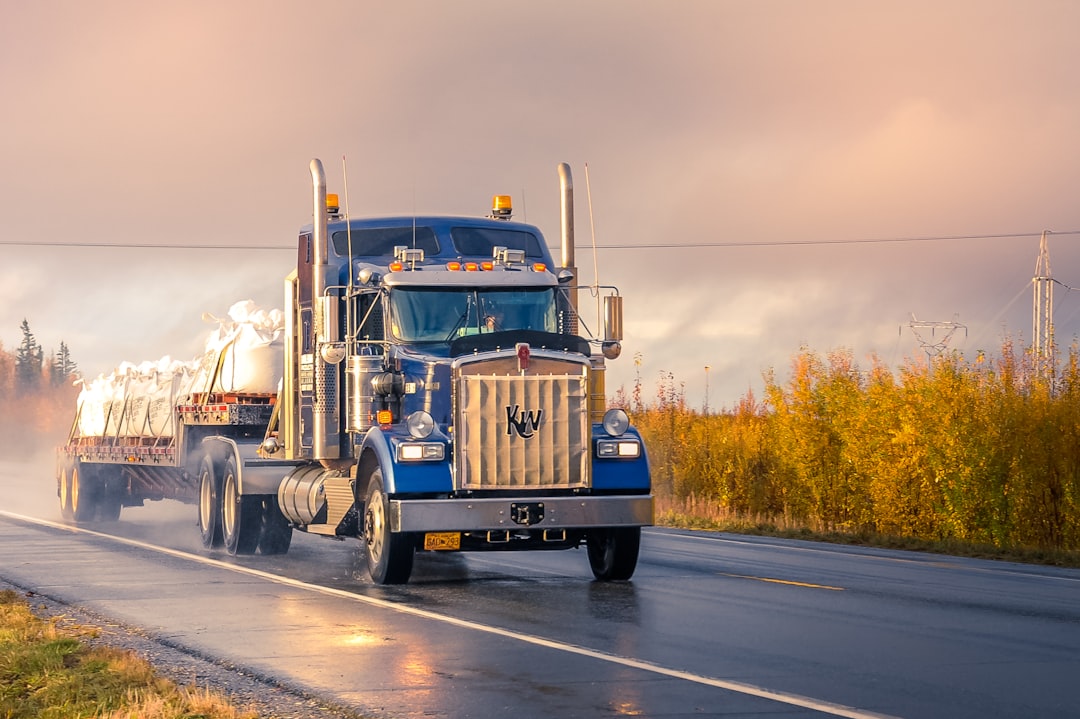
The rise hydrogen-powered commercial vehicles is reshaping the logistics and transit sectors right now — but it’s not happening the way most people predicted.
Back in 2015, everyone thought hydrogen passenger cars would dominate by now. They didn’t. Yet something unexpected occurred: the heavy-duty trucking and bus industries quietly started betting billions on fuel cells. The hydrogen fuel cell vehicle market grew from $11.48 billion in 2025 to $13.75 billion in 2026, and commercial vehicles are now the growth engine. In May 2026, Toyota and a company called Hyroad signed a deal to deploy 40 hydrogen Class 8 trucks in Southern California — marking one of the largest commercial FCEV deployments in US history.
That’s the real story. Not some distant future fantasy. It’s happening now.
Why Commercial Fleets are Betting Big on the Rise Hydrogen-Powered Commercial Vehicles
Here’s the thing: trucks are nothing like passenger cars.
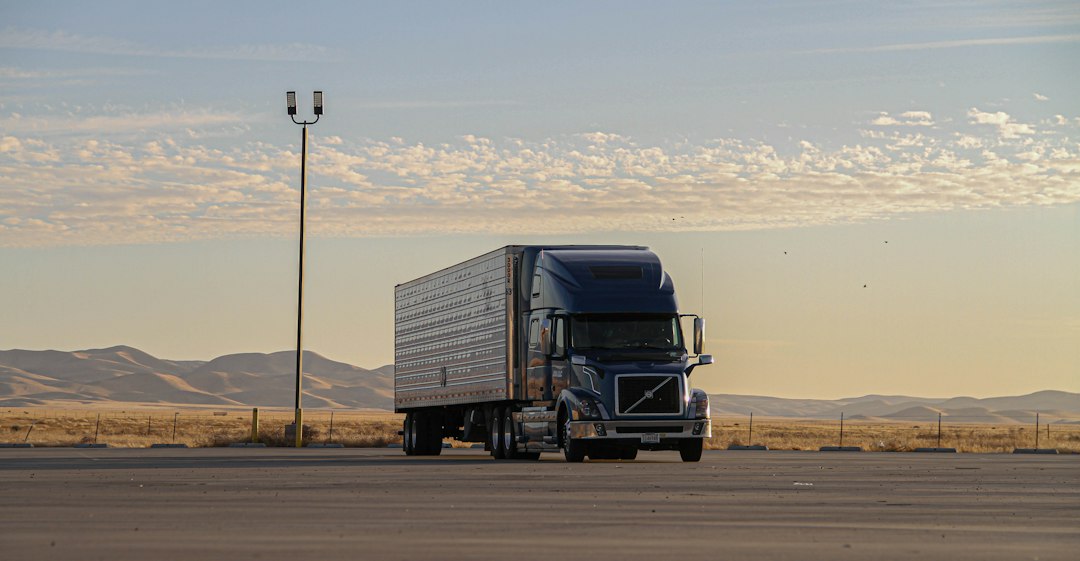
A delivery van or sedan can run 300 miles and sit overnight to charge. A Class 8 semi rig needs to cover 500+ miles in a single push, refuel in 15 minutes, and hit the road again. That’s where hydrogen actually wins against batteries. Hydrogen Class 8 trucks offer up to 500 miles of range and a 15-to-20-minute refueling window, matching the performance profile of diesel — which is exactly what fleet operators have demanded for decades.
New entrants like Nikola and Hyzon Motors are focusing on heavy-duty applications, while traditional manufacturers like Daimler and Toyota are scaling production. The rise hydrogen-powered commercial vehicles is driven by a simple economic truth: long-haul trucking can’t wait for the next generation of batteries. It needs to move cargo now.
Buses are another story entirely. California’s Innovative Clean Transit regulation mandates that as of January 1, 2026, large transit agencies must ensure that at least half of new annual bus purchases are zero-emission buses — be it hydrogen fuel cell buses or battery-electric ones. New York City’s Metropolitan Transportation Authority received two hydrogen fuel cell buses in June 2026 and completed its initial infrastructure validation. Isuzu and Toyota announced an agreement to jointly develop next-generation fuel cell route buses, with production scheduled to begin in fiscal year 2026 at the Utsunomiya Plant.
This isn’t hype. It’s regulation and capital meeting reality.
The Economics Don’t Work Yet (But They’re Getting Close)
I’ll be honest with you: hydrogen trucks are currently expensive.
FCEV trucks cost around $500,000, while hydrogen fuel costs as much as £25/kg in some markets, making early commercial deployments economically challenging. That’s not a small problem. It’s the central problem.
But — and this matters — the gap is closing. Hydrogen trucks need green hydrogen at $4-5/kg or lower to compete; current production cost is $5-8/kg, with the gap narrowing.
Think about where we were with solar panels 15 years ago. Or lithium batteries in 2010. Every scaling technology starts expensive and unworkable. Then production ramps. Costs plummet.
The rise hydrogen-powered commercial vehicles depends entirely on whether green hydrogen production can scale fast enough. Governments are betting it will. The Indian government is sanctioning an additional 30 hydrogen-powered trucks and buses under the National Green Hydrogen Mission to expand pilot deployments in the transport sector. Europe is showing the highest growth among established markets with an expected CAGR of 21.4% from 2026 to 2035, driven by 90% emission reduction mandates for heavy-duty vehicles.
The economics aren’t there yet. But the political will is.
Real Deployments Happening Right Now in 2026
You want proof this isn’t theoretical? Here are the actual numbers rolling out this year.
Guangzhou is deploying 249 fuel cell buses; Daimler Truck is putting 100 Mercedes-Benz Gen H₂ trucks into customer trials; Nikola is deploying 90 fuel cell trucks in North America. 2026 represents a critical test for the hydrogen heavy-duty sector, marked by the activation of large-scale supply agreements and deployment of significant trial fleets to validate FCEV technology in long-haul applications.
These aren’t pilot programs anymore. They’re commercial deployments. Fleets are using these vehicles to move freight and passengers (yes, really).
Over 285,000 hydrogen-powered vehicles have been deployed worldwide as of 2024, with passenger vehicles accounting for 58% of global adoption and commercial hydrogen trucks and buses contributing 42%. That number is accelerating through 2026.
Infrastructure Remains the Elephant in the Room
Here’s where the rise hydrogen-powered commercial vehicles hits a wall: refueling stations.
There are approximately 1,200 hydrogen refueling stations globally, compared to ~2 million EV chargers; building hydrogen infrastructure costs $2-4 million per station and is risky with uncertain demand if FCEV sales don’t scale.
Daimler Truck notes that expansion of hydrogen refueling infrastructure is progressing significantly slower than expected, so customers won’t deploy hydrogen trucks in large numbers in the next few years, with large-scale industrialization of fuel cells targeted for the early 2030s.
This is the catch. You can’t scale vehicles without fuel. You can’t build fuel infrastructure without vehicle demand. It’s a chicken-and-egg problem that policy, subsidies, and corporate partnerships are trying to solve.
MTA is planning on installing a hydrogen fueling station capable of fueling up to 40 buses at its Gun Hill depot in the Bronx. Toyota is developing its own refueling infrastructure currently under development in Ontario, California. Companies are building their own supply chains because the public infrastructure isn’t there yet.
How Battery-Electric Trucks Factor into this
Let’s be straight: the rise hydrogen-powered commercial vehicles is NOT a battle against battery-electric trucks. It’s more nuanced (and messier) than that.
MAN recently launched a road test of electric trucks that deploy both fuel cells and batteries, aiming for a range of 450-500 kilometers; Bosch’s bus can travel more than 1,000 kilometers before refueling, which takes about 10-15 minutes.
Some fleets will go battery-electric. Some will go hydrogen. Most will probably do both. MAN expresses caution in the fuel cell area and expects that battery-electric vehicles will dominate the road freight sector, while still leaving some room for hydrogen fuel cell transport.
The real answer: different vehicles for different jobs. Regional delivery runs? Battery. Cross-country hauls? Hydrogen. Urban buses? Probably battery, unless you need that instant refueling. Intercity coaches? Hydrogen wins.
The rise hydrogen-powered commercial vehicles isn’t replacing battery electric — it’s claiming a slice of the decarbonization pie that batteries can’t quite reach yet.
Government Mandates are the Real Accelerant
Regulation is doing what markets wouldn’t.
Fleet operators represented the largest market share of 48% in 2025 and public transit authorities had the fastest CAGR (21.2%) of 2026-2035. Why? Mandates. Subsidy programs. Clean air regulations that make zero-emission mandatory, not optional.
California forced transit agencies to buy 50% zero-emission buses. Europe is mandating 90% emissions reductions by 2040. India launched its National Green Hydrogen Mission. China is building hydrogen bus fleets (249 buses in Guangzhou alone). Japan is treating hydrogen as core to its carbon neutrality strategy.
When governments say “you must decarbonize,” money follows. Companies that were skeptical five years ago now have hydrogen divisions. OEMs that said it was impossible now have production schedules.
The rise hydrogen-powered commercial vehicles is real partly because physics favors fuel cells for heavy-duty work — but mostly because policy is forcing the issue.
Frequently Asked Questions
What Exactly is a Hydrogen Fuel Cell Truck?
A hydrogen fuel cell truck uses compressed hydrogen gas to generate electricity through an electrochemical reaction, powering an electric motor with zero tailpipe emissions. Hydrogen vehicles use either internal combustion engines to burn hydrogen or fuel cells, which use hydrogen and oxygen to react to produce mechanical energy and power electric motors. Most commercial deployments use fuel cells, not combustion engines, because they’re far more efficient.
How does the Rise Hydrogen-Powered Commercial Vehicles Compare to Battery-Electric Trucks?
Hydrogen trucks offer longer range (500+ miles), faster refueling (15 minutes), and better payload capacity than current battery trucks, making them ideal for long-haul trucking. Battery trucks excel for regional and delivery routes but face challenges with weight, charging time, and infrastructure at scale. The rise hydrogen-powered commercial vehicles and battery electrification are complementary strategies for different use cases, not competing technologies.
When will the Rise Hydrogen-Powered Commercial Vehicles Reach Cost Parity with Diesel?
Hydrogen trucks need green hydrogen at $4-5/kg to compete economically, while current production costs are $5-8/kg. As green hydrogen production scales and electrolyzer technology improves, this gap should narrow by 2028-2030. Until then, subsidies and mandates are bridging the cost difference.
Where is the Rise Hydrogen-Powered Commercial Vehicles Happening Fastest?
Asia-Pacific leads production, representing 38% of global hydrogen vehicles, followed by Europe at 27% and North America at 23%. California, Japan, South Korea, and Germany are the innovation hubs. Europe is moving fastest due to strict emissions mandates.
What’s the Biggest Barrier to Scaling Hydrogen Trucks?
Infrastructure. There are only ~1,200 hydrogen refueling stations globally compared to ~2 million EV chargers; building each station costs $2-4 million with uncertain demand. Without dense refueling networks, fleets can’t operate vehicles profitably, creating a chicken-and-egg problem that private-public partnerships are now trying to solve.
The Bottom Line: Hydrogen is Here, but Only for the Right Jobs
The rise hydrogen-powered commercial vehicles isn’t some futuristic fantasy anymore. It’s happening today, in 2026, with real trucks, real buses, and real deployments across North America, Europe, and Asia.
But let’s not oversell it. Hydrogen works brilliantly for long-haul trucking, intercity buses, and high-utilization fleets. It won’t dominate last-mile delivery (batteries are better there). It’s not a silver bullet. And it’s definitely not coming to your garage as a passenger car.
What’s actually happening is smarter: the commercial vehicle industry is taking hydrogen seriously as one of several tools for decarbonization. Regulation is forcing companies to act. Technology is improving. And 2026 marks the year when trials shifted into real commercial deployments.
The real takeaway? Stop asking if hydrogen will “win” against batteries. The actual question is: which vehicles need hydrogen, and which need batteries? For heavy-duty commercial transport, hydrogen is already answering that question — with 40-truck deployments in California and 249-bus fleets in China proving the model works.
