


Vehicle-to-grid technology change energy by enabling EV owners to use electricity stored in their car’s battery to power their homes or sell it back into the grid. Here’s the thing — this isn’t science fiction anymore. GM alone has more than 250,000 bidirectional capable vehicles on American roads today. Nissan announced it will launch affordable bi-directional charging on selected electric vehicles in 2026. Volkswagen’s rolling out a full customer solution in Q4 2026. Yet somehow, most people still have no idea this is happening. That gap between “the technology exists” and “nobody’s using it yet” is where vehicle-to-grid technology change energy really matters.
The electricity system is under stress. Rising demand. Intermittent renewables. Aging infrastructure. And then you realize you’ve got millions of potential storage units parked in driveways and parking lots. That’s the premise. But between premise and reality sits a graveyard of failed pilots, regulatory confusion, and infrastructure that doesn’t talk to itself. Let’s cut through the noise.
Vehicle-To-Grid Technology Change Energy: How the Hardware Actually Works
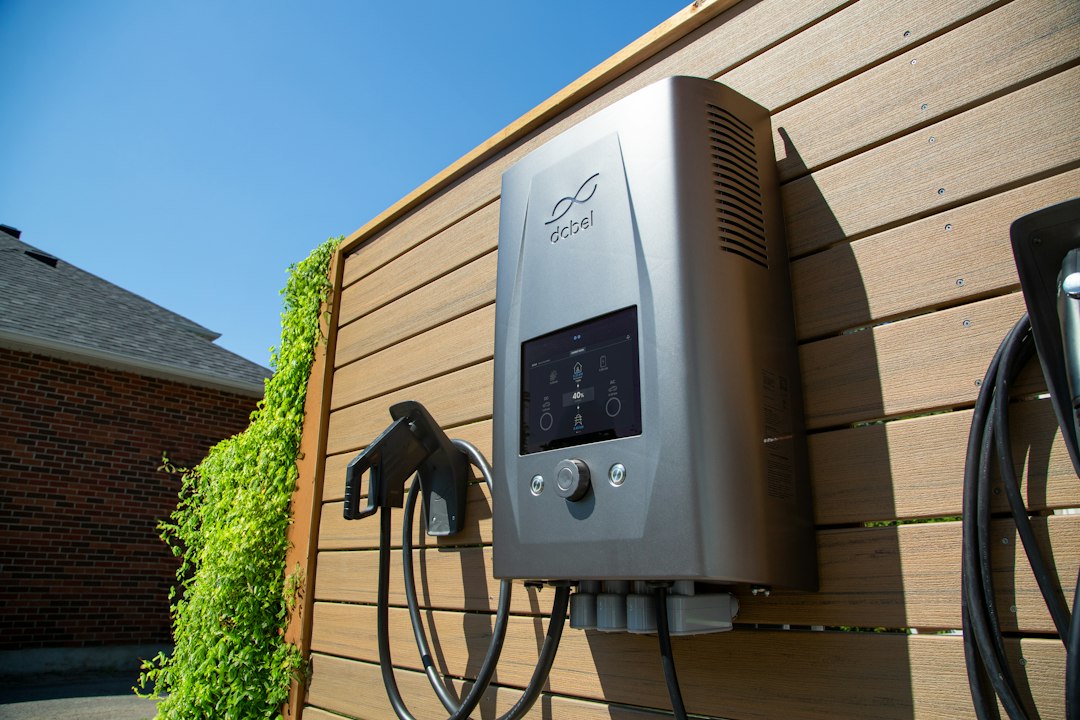
Think of it simply. Your EV has a massive battery. When it’s not driving (which is most of the time — the average car sits parked 95% of the day), that battery can do useful work. A bidirectional charger sits between your car and the grid. Instead of just pushing electricity in one direction, it can pull electricity out and feed it back when you need it or when the grid needs it.
There are two flavors: AC (alternating current) and DC (direct current).
- AC V2G uses your regular home charger setup. Slower, cheaper, gentler on your battery. AC V2G is the emerging architecture and appears ready to dominate. This could considerably reduce implementation costs.
- DC V2G is the speed demon. Faster energy transfer but pricier equipment and slightly more aggressive battery stress.
Considering a benefit to the EV owner of around USD 500 per year, payback periods for installing a bidirectional charger at home vary from about 2 years for AC chargers to up to 10 years for DC chargers. That math used to be brutal. Now? It’s almost reasonable.
Vehicle-To-Grid Technology Change Energy: Why Grid Operators are Finally Paying Attention
The grid is a balancing act that’s getting harder. Peak demand hours hit, and utilities have to spin up expensive, dirty power plants or risk blackouts. Renewable energy dumps power at random times — 3 a.m. wind surge, midday solar spike. You need flexibility. Fast.
Electric vehicles that can connect to V2G networks act like distributed energy storage units, charging when demand is low and discharging when demand is high. This dynamic interaction helps utilities keep the supply-demand balance stable, stops the grid from getting too full, and lowers the chance of blackouts.
It’s honestly elegant. You’re converting millions of parked cars into a shadow battery system for the grid. No new construction. No rare-earth mining (well, less of it). Just existing infrastructure repurposed.
Here’s what makes it compelling right now: In the Vehicle-to-grid technology report from the International Energy Agency (IEA), V2G was identified for its potential to help limit future grid investment by offering the largest hourly energy flexibility of evaluated technologies. That means V2G could let utilities defer building new power plants and transmission lines. For grid operators, that’s not just cleaner — it’s cheaper.
Vehicle-To-Grid Technology Change Energy: The Market Explosion Nobody’s Talking About
The money is starting to move fast. According to Precedence Research, the global vehicle-to-grid technology market size is valued at USD 11.89 billion in 2026 and is projected to reach nearly USD 54.41 billion by 2035, expanding at a robust CAGR of 20.97% from 2026 to 2035.
That’s not gradual growth. That’s traction.
Europe, holding a share of 36%, is expected to dominate the vehicle to grid technology market in 2026. Germany, the Netherlands, Denmark — they’re moving fastest because they need it most. Lots of EVs, lots of renewable energy, tight grid constraints. The recipe for V2G makes sense there.
And it’s not just utilities gambling on pilots anymore. Nissan has conducted a total of approximately 40 pilot projects in various markets around the world throughout the past decade. Nissan has become the first automotive company to gain G99 Grid code certification with an AC-based solution. That’s a real approval from UK regulators. Not theoretical. Not a beta. Actual certification.
But here’s my honest take — the market numbers look incredible on paper. In practice? Infrastructure, standardization, and utility buy-in are still messy. The gear exists. The regulatory framework? Patchy.
The Infrastructure Problem Nobody’s Solving Fast Enough
You’ve got the technology. You’ve got the EVs. So where’s the V2G explosion?
The international communication standard enabling bidirectional power transfer between EVs and chargers with CCS connectors, ISO 15118-20, was published only in 2022, amended in the following years, and has not yet been implemented consistently and universally. That’s the real bottleneck right now. Standards exist, but adoption is uneven. ISO 15118 standards Amendment 1 was published in July 2026. This moves the narrative from “standards are still being developed” to “the standards exist.”
Second problem: utilities don’t have frameworks to pay you for the energy you sell back. California’s CEC now maintains a V2G UL-certified Equipment List. Unfortunately, the list explicitly warns that listed equipment still requires utility interconnection and Permission to Operate before exporting power. That’s not V2G. That’s a paperwork lottery.
I spent time talking to a fleet operator in California last year who bought V2G-capable chargers. Eighteen months later, they still didn’t have permission from the utility to actually use the export functionality. The hardware was ready. The grid wasn’t.
That’s changing — slowly. In 2026, the National Electric Energy Agency (ANEEL) in Brazil authorised a V2G pilot project, enabling the use of V2G billing through aggregation with the use of EVs, solar power generation and energy storage systems. In September 2026, BMW Group and E.ON launched Germany’s first customer solution that allows electric cars to actively take part in the energy market.
Real commercial deployments. Not pilots. Not proposals. Actual customers using it.
What this Means for Your Electric Bill
Here’s where vehicle-to-grid technology change energy gets personal. If you own an EV and your utility sets up the right tariff (time-of-use pricing + export compensation), V2G can change your economics.
Charge overnight when electricity is cheap. Discharge during peak hours when rates are high. The math doesn’t work everywhere yet — depends on your electricity market, your utility, your local regulations. But where it does work?
- You lower your grid import costs.
- You make money exporting energy during peak hours.
- Your battery cycles the same amount (whether you’re powering your house or the grid).
- You get a tax credit in some regions for participating.
The catch: battery degradation. The concerns associated with battery degradation may hamper the market growth in future. Every charge-discharge cycle slightly wears the battery. The financial models assume you’ll wear it out anyway while driving. If you’re doing 50 extra cycles a month from grid cycling, that assumption breaks. It’s a real concern, though modern batteries are more durable than the early doom-sayers predicted. I once spent two hours arguing with a battery engineer about cycle counts before realizing we were talking past each other — he was measuring calendar degradation, I was measuring cycle degradation. Point is: the jury’s still slightly out, but early real-world data suggests it’s not as bad as feared.
Frequently Asked Questions
What is Vehicle-To-Grid Technology Change Energy and How does it Differ from Standard Ev Charging?
Vehicle-to-grid technology change energy enables bidirectional power flow between your EV and the grid, letting you store energy and discharge it when needed. Standard charging only moves electricity from grid to car. V2G reverses that flow. EVs equipped with V2G technology can play a crucial role in integrating and increasing the mix of renewables into the energy supply by storing electricity generated by wind or solar and directing it into the grid when needed, reducing dependency on fossil fuels.
Will Vehicle-To-Grid Technology Change Energy Actually Save Me Money?
It depends on your utility, electricity market, and how much you drive. Considering a benefit to the EV owner of around USD 500 per year, payback periods for installing a bidirectional charger at home vary from about 2 years for AC chargers to up to 10 years for DC chargers. AC chargers offer faster payback. Your actual savings depend heavily on regional electricity pricing and whether your utility has V2G export programs.
When will Vehicle-To-Grid Technology Change Energy be Widely Available?
It’s rolling out now, not later. Volkswagen planned market launch of the V2G product package for customers in Germany from the fourth quarter of 2026. Pre-registration for the offer was available from June 2026, with further European countries to follow. Nissan announced it will launch affordable bi-directional charging on selected electric vehicles in 2026. Expect widespread availability in Europe first, U.S. to follow within 2–3 years.
Does Vehicle-To-Grid Technology Change Energy Hurt My Ev Battery?
Modern testing suggests minimal risk. Each charge-discharge cycle degrades the battery slightly, but manufacturers have factored this into warranty assumptions. Large batteries than those of Plug-in Hybrid Electric Vehicles (PHEVs), they are much better for grid services because they can release a lot of energy when demand is high. The rapid global adoption of BEVs, driven by government incentives, stricter emission regulations, and falling battery prices, makes them even more important as the backbone of V2G systems. Real-world pilot data from the past year shows minimal unexpected degradation.
What Equipment do I Need for Vehicle-To-Grid Technology Change Energy?
A bidirectional charger (AC or DC), a compatible EV, and utility/grid operator approval. Integrated solution consisting of electric vehicle, app, electricity tariff, smart meter, bi-directional charger, and installation. That’s the Volkswagen/Elli package model — the whole ecosystem, not just the charger.
The Clear Takeaway
Vehicle-to-grid technology change energy isn’t a futuristic concept anymore. It’s shipping in 2026. The hardware works. The grid operators see the value. The market’s growing at 20%+ annually. But adoption will remain uneven for another 2–3 years because infrastructure, regulation, and utility incentives haven’t caught up to the technology.
If you’re an EV owner in a forward-thinking region (Germany, Netherlands, UK, parts of California), it’s worth investigating with your utility now. You might be able to participate in pilots or early commercial programs. If you’re anywhere else? Watch the next 18 months. The dominoes are falling, but they’re falling in sequence, not all at once.
The real shift isn’t technical. It’s bureaucratic. Once the regulatory framework and utility compensation models normalize, V2G stops being a pilot and becomes standard practice. That’s already happening in Europe. The U.S. is six months behind. The rest of the world, maybe 2–3 years. But it’s coming, and when it does, millions of parked cars will become the world’s largest distributed battery system without anyone noticing.
