

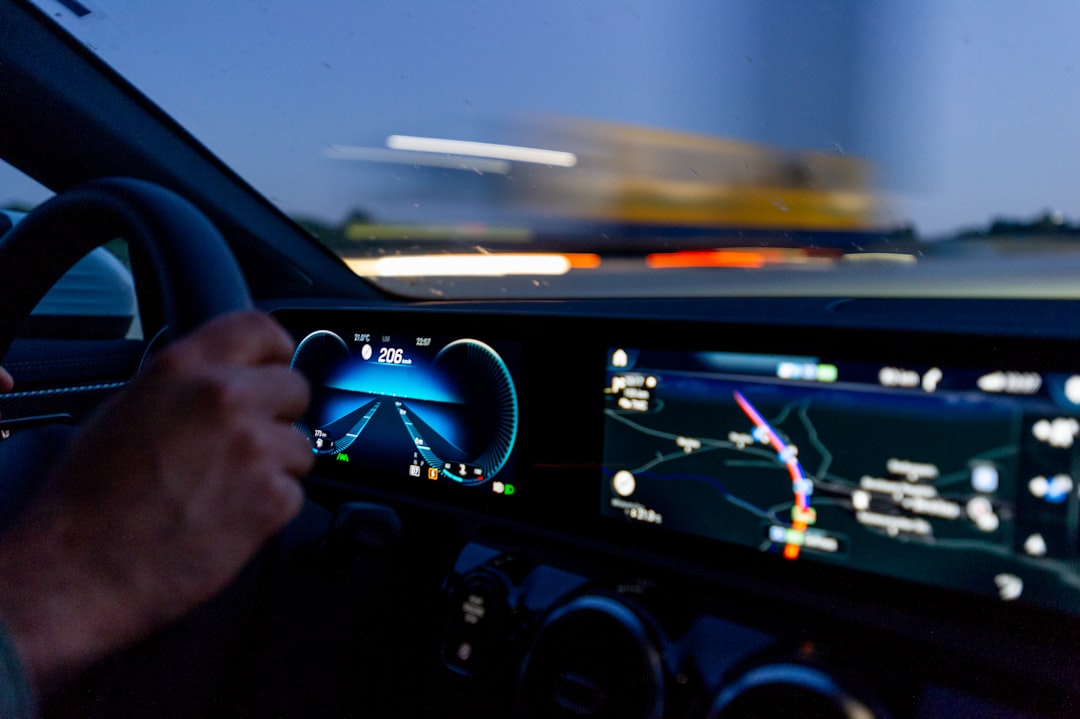
The future in-car entertainment smart era is no longer coming—it’s here. We’re talking about vehicles that understand you, anticipate what you want, and do more than just play your Spotify playlist (though that’s nice too). The automotive industry has entered a inflection point where the dashboard isn’t just a display anymore. It’s becoming the central nervous system of your driving experience.
This article breaks down what’s actually happening in vehicle cabins right now, what it means for the average driver, and why your next car is going to feel less like a machine and more like a thinking partner.
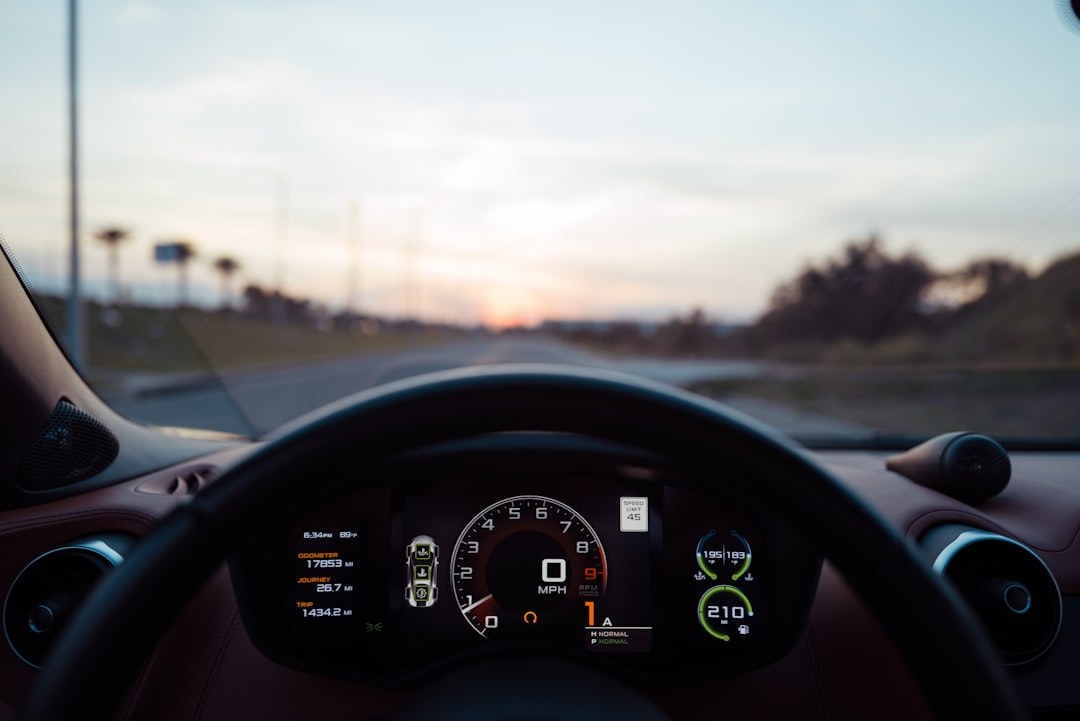
The Future in-Car Entertainment Smart Market is Exploding???Here’s Why
Let’s start with the numbers. The automotive infotainment market is valued at USD 36.45 billion in 2026 and is expected to reach USD 61.66 billion in 2033, according to recent forecasts. Even more telling: the global in-vehicle infotainment market is accounted at USD 31.53 billion in 2025 and predicted to increase from USD 34.46 billion in 2026.
But here’s what those numbers actually mean for you. The competition is fierce. Every automaker from Tesla to traditional manufacturers like Toyota and BMW is pouring resources into making their cockpits smarter, faster, and more intuitive. Key factors driving growth include enhanced connected and smart in-vehicle digital experiences, accelerating advancements in HMI (human-machine interface), display technologies, and AI-enabled integration.
You’re not buying a car with a touchscreen anymore. You’re buying into an ecosystem.
How Future in-Car Entertainment Smart Systems are Redefining Connected Vehicles
What makes a vehicle “smart” today isn’t just what’s on the display. The connected vehicle market size is expected to grow from USD 77.13 billion in 2025 to USD 86.13 billion in 2026, showing how deeply woven connectivity has become into vehicle design.
The real magic happens when your car starts talking to the world around it. Connected vehicles enable real-time, two-way communication with external systems, with cellular connectivity forming the backbone of connected vehicle solutions through 4G/LTE and 5G networks. Your car can receive software updates without a trip to the dealer. It can alert your insurance company about safe driving patterns. It can communicate with traffic lights.
I spent a morning last year test-driving a 2026 model year vehicle with integrated 5G. The difference was startling. Cloud-based navigation worked flawlessly, even in areas where traditional GPS struggled. But honestly? The real benefit showed up in the little things—music that started playing the moment I got in, climate settings that were already at my preference.
That’s the future in-car entertainment smart shift. Features move from “wow” to “expected.”
AI Agents and Voice Commands: The Engine Behind Modern Dashboards
Here’s where it gets interesting—and where the future in-car entertainment smart space gets genuinely personal.
Generative-AI models now power voice assistants capable of free-form queries spanning routing, maintenance, and commerce, with Mercedes-Benz rolling out ChatGPT inside its MBUX stack in 2023. The AFEELA Personal Agent, an interactive conversational AI, leverages Microsoft Azure OpenAI Service to deliver highly personalized, natural dialogue experiences.
Except—and this is a real caveat—most drivers still find infotainment systems frustrating. Users often find infotainment systems and touch interfaces unintuitive or distracting, with overly complicated menus and slow system responses impacting user experience, yet there is a clear need for simplified, voice-activated, and responsive UI designs.
The gap between what’s technically possible and what actually works in a moving car is still huge. Voice assistants that work great at home lag in noisy traffic. Touch interfaces slow you down when your attention should be on the road.
The best future in-car entertainment smart implementations solve this by letting you opt out. Voice works fine if the system understands your accent. Hands-free control should be the default. Simplified menus beat flashy ones every time.
Display Technology and Hardware: Why Bigger Isn’t Always Better
The cockpit is getting a facelift—literally.
Automakers are adopting larger touchscreens, curved OLED displays, augmented reality (AR) head-up displays, and advanced human-machine interface (HMI) systems. Display units led with 41.49% revenue share in 2024, whereas communication units are accelerating at an 11.77% CAGR to 2030.
The trend toward massive displays is real. Advanced cockpit features including large HD displays, premium audio, rear-seat entertainment, and connected services are migrating from luxury vehicles into mass-market segments, with the 2026 Toyota RAV4 featuring a 12.9-inch HD display with wireless CarPlay/Android Auto.
But here’s the honest truth: you don’t need a 14-inch display. You need one that doesn’t distract you from the road. A 10-inch or 12-inch screen is plenty. What matters more is what’s underneath—the processing power, the speed of response, and whether it works seamlessly with your phone.
The future in-car entertainment smart leaders understand this. More pixels doesn’t equal better experience.
Over-The-Air Updates and Software-Defined Vehicles: Your Car is Never Actually Finished
This is the change that matters most. Your car is no longer a hardware box. It’s a platform.
Over-the-air (OTA) updates are now a regulated operational process: UN R155 (cybersecurity) and R156 (software updates) became mandatory from June 2026 for new vehicle types in UK/EU. By integrating telematics and cloud connectivity, OEMs can deliver over-the-air updates for recalls, feature enhancements, and performance improvements, with remote diagnostics enabling faster issue detection and resolution.
What does this mean in practice? Your car gets better over time. A feature you didn’t have at purchase can appear after an update. Bugs get fixed silently. Security patches roll out automatically.
There’s a catch, though (always is). China restricted OTA updates to driver-assistance software without government approval. Privacy and regulatory concerns are real. Your car collecting data is becoming normal—maybe too normal.
The smartest drivers will demand transparency. Opt-in data collection. Clear policies on who sees what. The future in-car entertainment smart industry needs to win trust, not just market share.
What Happens in 2026 and Beyond: Predictions that Actually Matter
Electric vehicles are driving infotainment adoption harder than anything else. BEVs demonstrate the highest infotainment growth potential at 24.2% CAGR to 2030, driven by inherent dependency on sophisticated systems for energy management, charging optimization, and range display.
Think about it: an EV dashboard needs to show you battery state, charging networks, energy efficiency, route planning with charging stops. That’s a much more complex interaction than playing the radio. EV drivers expect—and need—smarter infotainment.
The future in-car entertainment smart space will also consolidate. Not every brand will survive. Android platforms accounted for 64.77% of the in-car infotainment system market share in 2024, with Android Automotive OS projected to exhibit the fastest growth at 14.15% CAGR through 2030. Google is winning. Apple is fighting back with Apple CarPlay Ultra rolling out (2025) with deeper cockpit integration into cluster and environmental controls.
Your phone OS is becoming your car OS. That’s not a bug. It’s the future.
Frequently Asked Questions
What does “Future in-Car Entertainment Smart” Mean for Drivers Right Now in 2026?
It means your car connects to the internet, understands voice commands, receives software updates wirelessly, and learns your preferences. In 2026, the future in-car entertainment smart experience includes cloud-based navigation, predictive maintenance alerts, AI assistants that handle routine tasks, and seamless smartphone integration. Most new vehicles sold today have at least basic connected features, though implementation quality varies wildly between brands.
How does Future in-Car Entertainment Smart Improve Safety?
Advanced systems reduce driver distraction through voice control, anticipate hazards via V2X communication with infrastructure and other vehicles, and enable over-the-air safety updates. The future in-car entertainment smart platforms also include monitoring driver attention, adjusting seat settings for posture, and integrating ADAS (Advanced Driver Assistance Systems) data. Frankly, the safety gains depend more on restraint—not overwhelming drivers with notifications or forcing attention to screens.
Are Future in-Car Entertainment Smart Systems Worth the Extra Cost?
That depends on what you use. If you stay local and listen to the radio, no. If you drive long distances, value real-time navigation updates, want predictive maintenance warnings, or care about hands-free communication, yes. The future in-car entertainment smart features that matter most—reliable connectivity, fast responsiveness, voice control—are becoming standard even in mid-range vehicles now, not just luxury cars.
Can You Disable Data Collection on Future in-Car Entertainment Smart Vehicles?
Not entirely. Your car needs basic telematics for emergency response (eCall systems are legally required in many regions). But future in-car entertainment smart features like personalization, advertising, and behavioral tracking should be optional. Currently, transparency varies. Some brands are better than others. You need to read the privacy policy—yes, really—before buying.
What’s the Difference Between My Phone’s Apple Carplay and a Built-In Future in-Car Entertainment Smart System?
CarPlay and Android Auto are tethered to your phone. Built-in systems have their own processor, storage, and connectivity. CarPlay is simpler and more familiar. Built-in systems are faster, function without your phone, and can integrate deeper with vehicle systems (climate, seats, suspension). For most people, CarPlay or Android Auto is sufficient. The future in-car entertainment smart built-in systems matter if you want the absolute best integration with your car’s functions.
The Real Bottom Line: Choose the Right Tool for Your Drive
Here’s what I want you to understand about the future in-car entertainment smart landscape in 2026. The technology is genuinely impressive. Voice commands work better. Displays are sharper. Updates happen without your involvement. Cars understand preferences and adapt.
But impressive isn’t always useful.
The vehicles winning right now—the ones people actually prefer—balance complexity with simplicity. They offer advanced features without forcing you to use them. They collect data without being creepy about it. They prioritize responsiveness over flashiness.
When you’re shopping for your next car, ignore the screen size. Ignore the buzzwords. Test the actual experience. Does voice control respond quickly to your accent? Can you find common functions without diving through menus? Does the system respond faster than your expectations? Does it let you turn off features you don’t want?
That’s what the future in-car entertainment smart really means. Not more technology. Better technology.
