

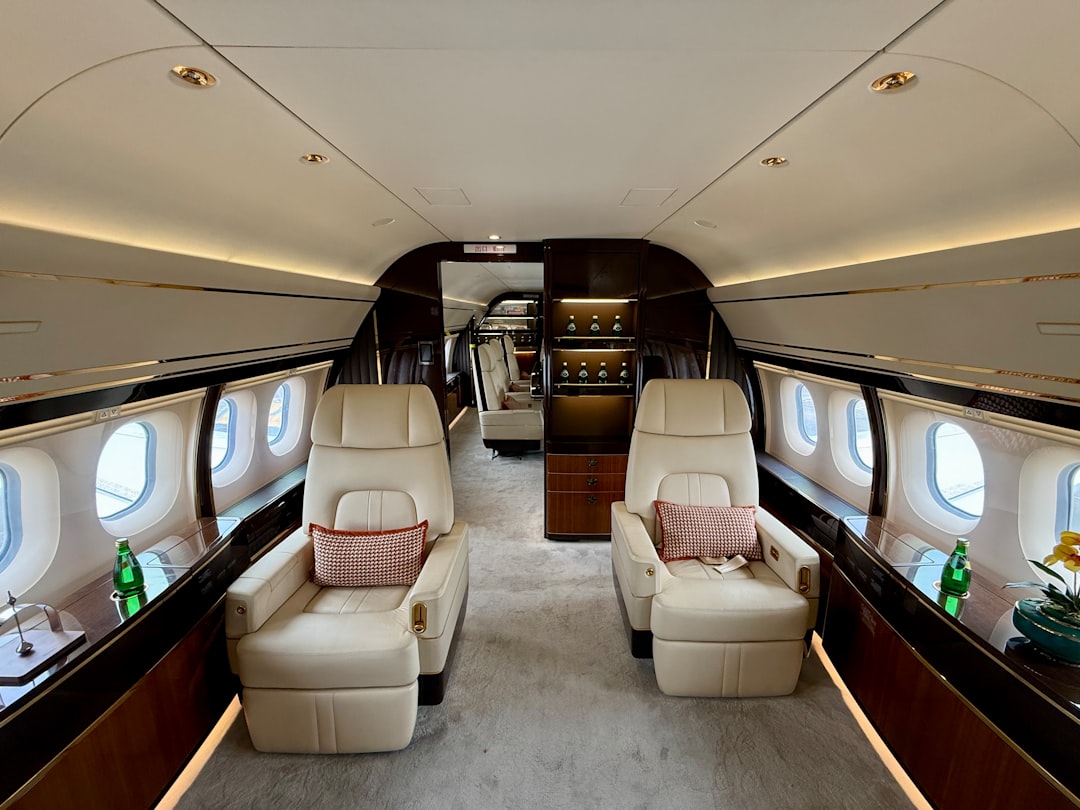
Modern consumers luxury through experience are increasingly prioritizing experiences over ownership, and this isn’t just some passing TikTok trend—it’s a fundamental restructuring of what the affluent actually want. The shift from buying things to living through moments has become so pronounced that luxury brands are basically rewriting their entire business models. We’re not talking about a modest swing in preferences here. Luxury Travel and Hospitality now account for 36.2% of expected category growth, while Leather goods contribute just 4.5%—a gap that transforms “experience” from a thematic trend into a capital allocation boundary. If you’re a luxury exec watching this, the message is clear: give people moments to remember or get left behind.
The Death of Ownership as Status
Here’s the uncomfortable truth: owning things is increasingly boring. Gen Z is pioneering the “Shared luxury” model, preferring collective access to individual ownership. What this means in real terms is that a 28-year-old with money isn’t dreaming about a closet full of handbags anymore. They’re thinking about access—to clubs, to trips, to exclusive dinners. Access, rather than ownership, is becoming the new currency of luxury, with bespoke private membership clubs reshaping how high-net-worth travelers experience the world, offering hyper-personalized itineraries and entry to destinations and events unavailable to the general public.
The numbers back this up. While personal luxury declined marginally in 2025, experiential luxury—including travel, wellness, and hospitality—grew by 8% to USD 103.4 billion. That’s the actual money moving. The possessions? Stalling.
Modern consumers luxury through experience represent something psychologically different from their predecessors. It’s not that they don’t want nice things; it’s that they want nice moments more. Status used to come from what was in your closet. Luxury is shifting from ownership to access, with people increasingly seeking brands that act as cultural authors and offer immersive experiences.
Modern Consumers Luxury Through Experience: The Wellness Angle
Wellness has stopped being a spa weekend. It’s become the core of how affluent people spend. Wellness has moved from a complementary offering to a central motivator of luxury travel, with travelers increasingly seeking journeys that combine physical restoration, mental clarity, and long-term well-being through medical-wellness retreats, mindfulness programs, and purpose-driven escapes.
This is where modern consumers luxury through experience gets personal and emotional. You’re not just staying in a resort; you’re getting better—mentally, physically, spiritually (if that’s your thing). A three-week wellness retreat in Costa Rica isn’t a vacation. It’s an investment in yourself that looks way better on Instagram than another designer bag ever could.

Beyond economic value, the emphasis on experiences is deeply linked to wellbeing, with positive experiences fostering lasting memories, emotional connection, and a sense of fulfillment, aiding good mental health and offering not just happiness but stronger resilience and emotional balance, which ultimately leads to deeper brand loyalty and engagement.
The wellness trend is real enough that luxury brands are literally building entire lifestyle ecosystems around it. It’s not just what you’re buying anymore—it’s what you’re becoming.
The Generational Reshaping of Modern Consumers Luxury Through Experience
Let me be direct: By 2026, Millennials and Gen Z are expected to make up around 75% of luxury goods buyers, redefining what luxury means and how it is experienced. That’s not a minority opinion anymore. That’s the market.
What younger consumers want is fundamentally different. They value experiences, brand ethics, and community over traditional status symbols, forcing legacy brands to rethink their value proposition and create more accessible entry points. A $3,000 handbag doesn’t move them the way a once-in-a-lifetime trip to Patagonia does. And they’re asking real questions about where things come from. Brand heritage is cool, but only if it comes with genuine ethics—not greenwashing.
Modern consumers luxury through experience also means they expect personalization at a level that would’ve seemed impossible a decade ago. AI-powered personalization allows sales advisors to deliver VIP service at scale, transforming every interaction into an opportunity to build loyalty and lifetime value.
Here’s what brands are missing: younger customers will pay premium prices for experiences that feel authentic and not automated. There’s a difference. A human advisor who remembers your preferences is luxury. A chatbot isn’t.
Creating the “Had-To-Be-There” Moments
The winners in 2026 aren’t the ones with the biggest stores or the most products. Experience-led luxury (travel, cruises, hospitality, gastronomy) has been the standout story, particularly from the most innovative players, reflecting a continuing shift from ownership to experience at every price point.
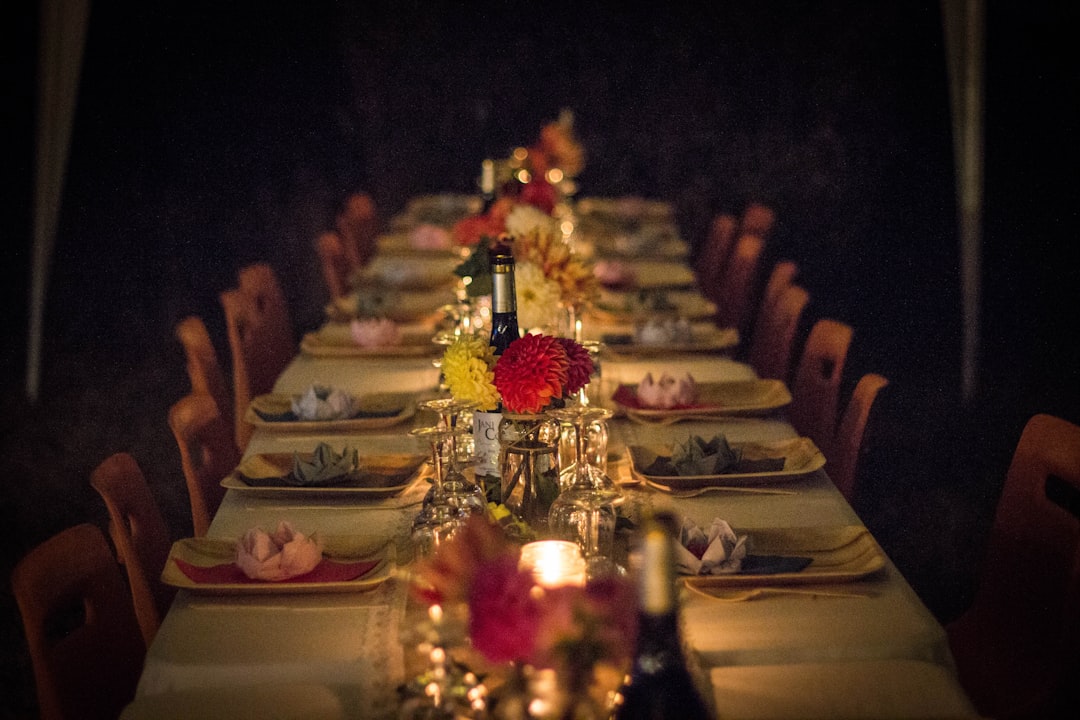
What’s actually working? Exclusivity through scarcity. Limited drops. One-off collaborations. Surprise installations. Brands are competing not on inventory but on occasion. The pace and quantity of one-off ‘had-to-be-there’ experiences and clever collaborations has accelerated over the last twelve months and will continue to do so.
Think about what makes something memorable:
- A private dinner with the head chef (not a meal on a menu)
- Early access to a runway collection (before it hits stores)
- A weekend at an artist’s studio (not a hotel)
- A masterclass from someone you actually admire (not a generic workshop)
These aren’t passive purchases. They’re active participation in something exclusive. That’s where modern consumers luxury through experience lives—in the doing, not the having.
The Brand Authenticity Reckoning
Here’s where it gets real: 63% of consumers are more likely to consider purchasing from brands whose stories they resonate with. But it’s not enough to tell a story. You have to live it.
76% of luxury shoppers see craftsmanship as essential to the luxury experience, 47% of global customers say a brand’s story is a key driver in creating high-end brand perception and around 62% of audiences say they have an emotional connection to the brands they return to most often. These numbers suggest something almost spiritual is happening—people want to believe in what they’re spending on.
The catch? 55% of luxury executives are concerned AI could dilute core luxury signals, while 63% of Gen Z in the US view brands using AI-generated models as inauthentic. This is the paradox. Brands need personalization and efficiency (AI’s job), but if you overdo it, you kill the human connection that modern consumers actually crave.
Modern consumers luxury through experience demand depth and authenticity. Not stories—the actual evidence that you care about craft, sustainability, and ethics, not just the margin.
The Data-Driven Personalization Puzzle
So here’s where modern consumers luxury through experience gets technically interesting: brands need hyper-personalization, but they’re terrified of automation backfiring.
Luxury enters a post-expansion phase in 2026 where margin resilience outweighs volume growth, with demand and returns concentrating unevenly across regions and categories, while pricing power, experiential platforms, and data-enabled personalization define the dominant operating model. In plain English: forget about opening more stores. Focus on knowing your best customers better.
The numbers show what’s actually working. With over 70% of consumers now expecting AR and immersive technology as part of their journey, and nearly 50% of Gen Z having made purchases via livestream, the digital-physical blend is real. But it has to feel natural—not like you’re being tracked.
High-net-worth individuals are the sweet spot. They have time and money. What they don’t have is patience for impersonal marketing. If you know they prefer sustainable goods, show them sustainable options. If you know they love travel, invite them to a curated trip. That’s what personalization at scale should look like—invisible and anticipatory.
Frequently Asked Questions
What does “Modern Consumers Luxury Through Experience” Actually Mean?
It means wealthy people are shifting their spending from physical products (clothes, watches, handbags) to memorable moments and immersive experiences (travel, wellness retreats, exclusive events, cultural access). The status symbol has changed from owning something to doing something or being part of something exclusive and meaningful.
How are Luxury Brands Adapting to Modern Consumers Luxury Through Experience?
Brands are diversifying beyond products into lifestyle ecosystems. Luxury is shifting from an economy of ownership to an economy of relationships, with brands accelerating investment into lifestyle adjacencies—hotels, wellness, gastronomy, and cultural spaces—not to diversify revenue lines, but to extend the economic perimeter of the brand itself. Gucci isn’t just selling bags anymore; they’re curating experiences. LVMH is building hospitality properties. It’s a complete restructuring.
Is Owning Luxury Goods Dead?
Not dead, but definitely diminished. Luxury spending continued to shift away from goods toward experiences, with categories such as hospitality, fine dining, wellness, and travel delivering the strongest performance and accounting for all net market growth since 2023, reflecting sustained consumer prioritization of social, experiential, and personal well-being-related purchases over product ownership. Ownership still matters, but it’s no longer the primary driver of luxury status.
What Percentage of Luxury Spending is Experiential in 2026?
The experiential share is difficult to quantify as a clean percentage because it overlaps with goods (a luxury trip might include luxury shopping), but Luxury Travel and Hospitality account for 36.2% of expected category growth while leather goods contribute just 4.5%, transforming “experience” from a thematic trend into a capital allocation boundary. That gap tells the story.
Why do Younger Consumers Prefer Experiences Over Ownership?
Younger consumers value experiences, brand ethics, and community over traditional status symbols. They also grew up in a world of abundance—there’s literally no product they can’t get if they want it. So the scarcity, the exclusivity, the meaning—that’s what costs. A moment nobody else can have is worth more than another thing everyone can buy.
The Clear Takeaway
Modern consumers luxury through experience have rewritten the rules. The shift from ownership to access, from products to moments, from passive consumption to active participation—this isn’t a trend that’s going to reverse. It’s structural.
The stability of overall luxury spending masks far-reaching and significant structural shifts as consumers increasingly choose experiences over buying new luxury possessions, favoring “experiential indulgence” over past trends of “conspicuous consumption” as new symbols of status, pivoting toward wellness, connection and self-reward.
If you’re building a luxury brand or selling to affluent consumers, the message is simple: stop thinking about products as your business. Think about moments. Think about access. Think about making people feel something that money alone can’t usually buy. The brands winning in 2026 aren’t the ones with the best inventory systems. They’re the ones creating occasions so exclusive and meaningful that people will pay for the story, not just the object. That’s where the actual money is moving.
