

Hook Intro
Nearly 2 million manufacturing workers could go unfilled by the end of the decade, according to Deloitte and The Manufacturing Institute. Yet walk into a modern warehouse or factory floor today, and you might see fewer people than you’d expect—not because workers have disappeared, but because automation labor shortages across entire industries are finally forcing something to change. Here’s the thing: we’ve been talking about labor shortages for years. But it’s only now, in mid-2026, that companies are moving past the hand-wringing and actually investing in systems that work without waiting for bodies to fill the roles.
This isn’t a story about robots replacing humans (though yes, that’s part of it). It’s about what happens when employers compete for a shrinking pool of skilled workers at the same time as production demands are increasing. And it’s about the real solutions companies are deploying right now to keep their operations moving.
## Why Automation Labor Shortages Across Industries Got this Desperate
The numbers don’t lie. In Q3 2025, manufacturers reported an average of 4.2% of roles unfilled, with factory employment dropping by over 70,000 between April and December 2025, hitting 12.69 million—the lowest reading since March 2022. Warehouses are hit even harder: more than half of warehouse operators cite unfilled headcount as the top automation catalyst, and the turnover rate for warehouse workers is 36%, with filling newly vacant positions costing anywhere from 25–150% of the employee’s salary.
Why the crisis? Demographics. Industry projections point to a multi-million worker shortfall in manufacturing over the coming decade, driven by an aging workforce, a widening skills gap as technology adoption accelerates, and a persistent perception problem that makes manufacturing careers less attractive to younger workers. And frankly, only 14% of Gen Z workers say they’d consider industrial work as a career.
The wage game isn’t working anymore, either. As of April 2026, production and nonsupervisory manufacturing workers earned $30.10 per hour, the first time this series has crossed the $30 threshold. That’s progress. But throwing money at the problem only goes so far when there simply aren’t enough people to hire.
## Warehouse Automation Labor Shortages Across Industries: The Robot Response
This is where the shift gets real. By the end of 2026, around 4.7 million commercial warehouse robots will be installed worldwide in over 50,000 warehouses, with over 450,000 logistics robots sold in 2025 compared to 75,000 in 2019—representing a 500% increase.
And the results aren’t theoretical. Companies that embrace automation are seeing 25–30% reductions in labor costs, 300% faster order fulfillment speeds, and accuracy rates approaching 99%.
Amazon is the obvious example, but there’s a reason they’re moving so fast: scale demands it. Amazon now operates more than 600 million active SKUs, a scale demanding robotic systems for handling dissimilar shapes and volumes. For smaller operations, though, the calculus is different. A company like Fleet Feet didn’t dive into autonomous mobile robots (AMRs) to chase innovation. They did it because they couldn’t find enough human pickers. And when they made the switch, they doubled fulfillment productivity with fewer staff after adding collaborative AMRs.
I once watched a mid-sized fulfillment center in Ohio try to hire 200 seasonal workers in September 2025. They got about 40 viable applicants and burned through those in weeks. By January 2026, they’d installed a goods-to-person picking system. The irony? They still need people—just different people, doing different work.
## Manufacturing’s Automation Labor Shortages Across Industries: Cobots and Skilled Tech Work
Manufacturing is in its own bind. Critical roles remain in short supply, including CNC machinists, maintenance technicians, electricians, welders, assemblers, and production operators. And here’s the catch: roughly 55% of companies report difficulty finding trained professionals to operate these systems.
Automation does not eliminate the need for skilled workers, but it allows manufacturers to scale output without scaling headcount at the same rate.
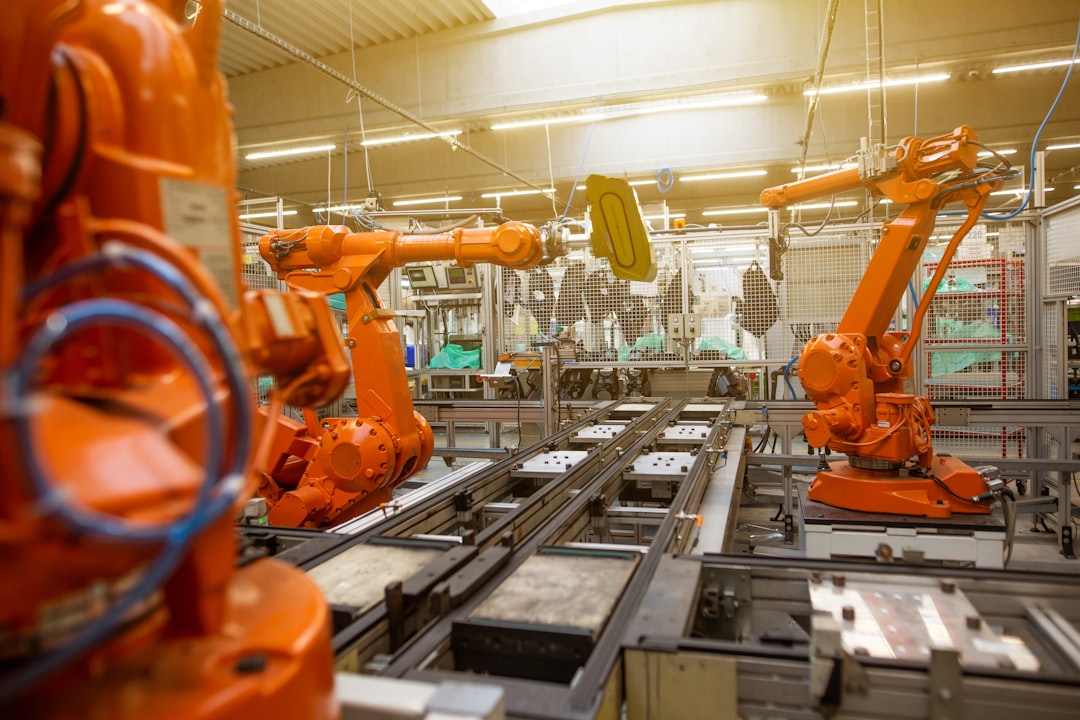
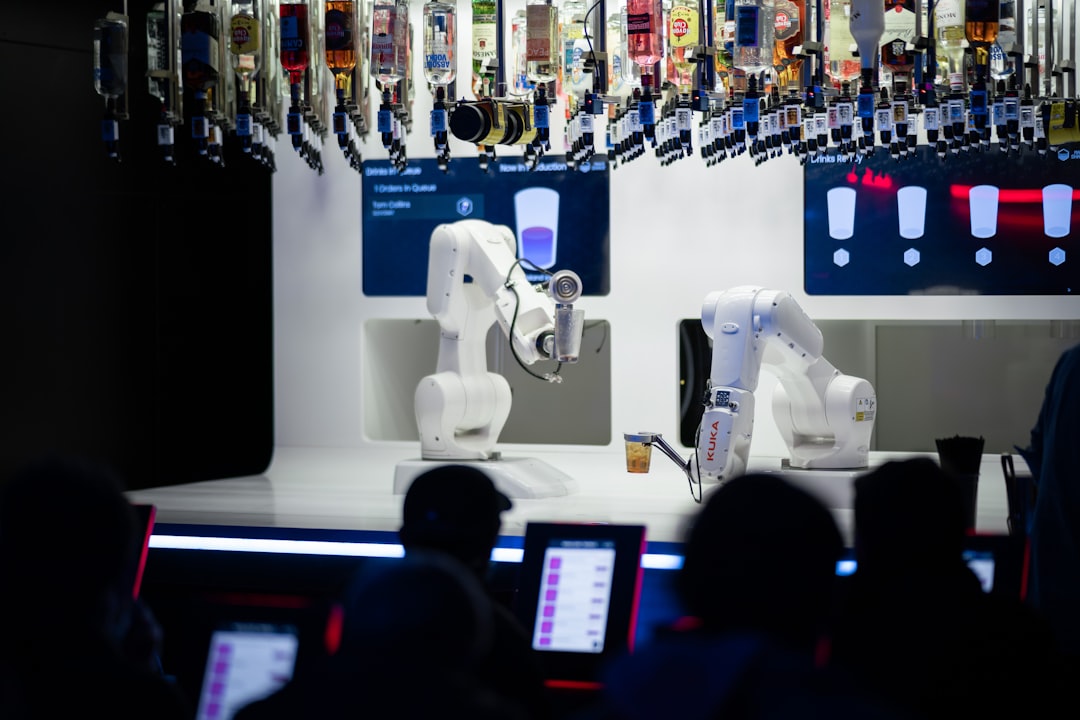
Collaborative robots (cobots) are reshaping this landscape. Unlike traditional robots that need safety cages, cobots work alongside people, handling lifting, sorting, and repetitive motions while operators manage decisions and exceptions. Companies like ABB are leaning into this: ABB’s lead-through programming for cobots lets welders guide the robot arm by hand rather than writing code—addressing both the labor shortage and the skill gap at once.
The market is responding too. The global automation market was valued at roughly $227 billion in 2025 and is projected to reach $250 billion in 2026, growing at a 9.6% CAGR through 2033. And 95% of industrial companies plan to deploy new automation within three years.
What’s genuinely encouraging is the employee sentiment. 58% of employees and 55% of unions view automation positively, and 43% of companies report lighter workloads and better morale after deployment.
## What this Means for Healthcare, Retail, and Beyond
The labor shortage isn’t confined to manufacturing and logistics. Healthcare facilities are automating surgical prep workflows and inventory management. Retail distribution centers are turning to micro-fulfillment systems to handle the explosion of same-day and next-day delivery demands.
Deloitte research shows more than one-third of manufacturing executives cite workforce skills as their top talent concern as investment accelerates in automation, analytics, and smart manufacturing. That skills anxiety is spreading sector-wide.
The real strategic shift, though, is this: companies are starting to treat automation not as a cost-cutting play but as a workforce strategy. The companies adapting fastest aren’t necessarily the biggest—they’re the ones treating automation as a workforce strategy, not a line item.
## the Integration Problem No One Talks About
Here’s what’ll surprise you: the biggest barrier to automation labor shortages across industries isn’t the cost of robots. It’s the chaos of making them work together.
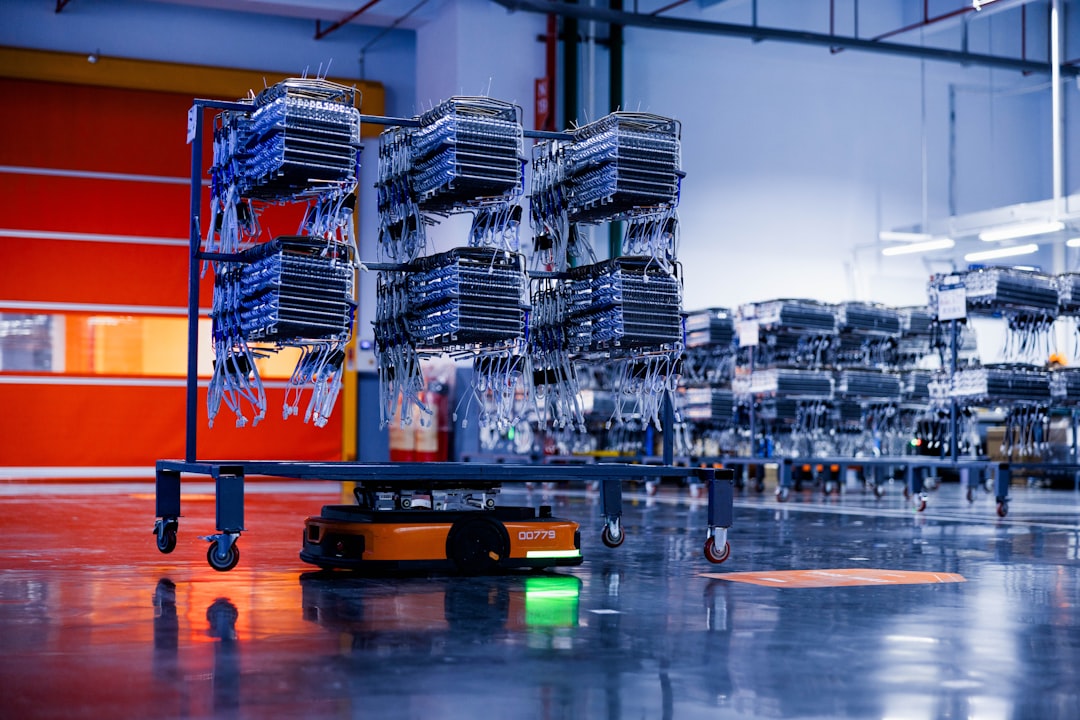
The most important development in 2025 was the rise of orchestration platforms that connected AMRs, AGVs, conveyors, shuttles, automated storage systems, and human labor into a unified execution layer. Why? Because mixed-fleet environments created complexity far beyond what WMS or siloed robot controllers could handle, and orchestration platforms reduced this chaos by continuously evaluating work, resource availability, and physical movement patterns.
I know a logistics company that spent $2 million on new robots but then spent another year untangling them from their legacy warehouse management system. They weren’t failures—the technology was solid. But nobody had mapped the integration upfront. By mid-2026, integration planning is treated as a mission-critical stage of any automation project.
## Investment Pace and 2026 Outlook
Money is flowing. Companies plan to spend an average of $1.6 million in 2026, up from $1.5 million in 2025. And 83% of supply chain leaders expect to adopt robotics and automation within five years.
But—and this matters—adoption won’t be uniform. Approximately 25% of warehouses worldwide have implemented some form of automation, with only 10% utilizing advanced automation technologies. The gap between leaders and laggards is widening.
For manufacturers considering expansion in 2026, labor availability should be weighted as heavily as energy costs or real estate prices—a lower-cost location with chronic hiring shortages may ultimately prove more expensive over time.
Frequently Asked Questions
What is Automation Labor Shortages Across Industries Really About?
At its core, it’s the collision between rising production demand and a shrinking, aging workforce. Automation labor shortages across industries means companies don’t have enough human workers to fill roles, so they’re turning to machines to cover the gap. It’s partly economic (wages are rising, but recruitment isn’t getting easier), and partly demographic (Baby Boomers are retiring faster than Gen Z workers are stepping in). The automation response is a survival strategy, not a preference.
How Much Can Companies Actually Save by Deploying Automation Labor Shortages Solutions Across Their Operations?
That depends. Companies embracing automation see 25–30% reductions in labor costs, 300% faster fulfillment, and 99% accuracy. But those are best-case numbers from well-executed projects. The real savings come from doing more work with your existing headcount—shifting people from repetitive tasks to higher-value roles like maintenance, quality, or robot troubleshooting. The fastest ROI typically comes in high-volume, repetitive environments like warehouses and assembly lines.
Will Automation Labor Shortages Across Industries Actually Eliminate Jobs?
No—but it will transform them. According to reskilling advocates, workers’ responsibilities could change rather than be completely eliminated, and “Factories will keep getting smarter and more automated, but people will not disappear from the equation. The larger shift is that there are not just fewer jobs, but different jobs.” Rather than replacing people, automation changed what people did—workers moved from repetitive transport to higher-value kitting, quality control, maintenance, and robotics coordination.
Which Sectors are Deploying Automation Fastest to Address Labor Shortages?
Large-scale initiatives continue to be driven by industries such as food manufacturing and retail, where automation plays a critical role in meeting throughput and reliability demands. Aerospace and defense are also heavy adopters due to precision requirements and skilled worker scarcity. Healthcare is ramping up automation in logistics and supply chain roles.
What’s the Biggest Mistake Companies Make When Implementing Automation to Solve Labor Shortages?
Treating it as a technology project instead of a workforce redesign project. Operations that combine automation with structured training programs outperform those that simply add machines. You can buy a robot. Actually making it part of your operation takes planning, integration work, and real commitment to upskilling your remaining team.
The Real Takeaway
Automation labor shortages across industries aren’t going away. What’s shifting is the response. Companies that wait for the labor market to fix itself will keep losing ground. Those that are moving now—investing in cobots, orchestration platforms, and integrated warehouse systems—are buying themselves room to breathe.
The future isn’t robots instead of people. It’s robots and people doing different work. The winners will be the companies that figure out how to make that partnership work before their competitors do. And honestly, that window is closing fast. If you’re not thinking about automation as a workforce strategy in the second half of 2026, you’re already behind.
