

Hook: The Store is Dead. Long Live the Store.
You’ve heard it for a decade. Retail is finished. Amazon ate it. The mall is a museum. But here’s what actually happened instead: in 2025, 80% of all retail transactions still occurred in-store, and that number didn’t drop mysteriously in 2026. What did change is everything about how those stores work. Global retailers stores next generation demand something completely different from their physical spaces—and they’re finally building it. The era of the passive shopping trip is over. In 2026, consumers are walking into stores in search of something they can’t get from a browser tab: an experience. Which means the stores you’ll see in the next couple of years won’t look or feel like the ones you remember from 2015.
## Global Retailers Stores Next: From Transaction Centers to Experiential Hubs
The biggest shift? The role of the store is evolving from a transaction center to a hub of experience and connection, with customers expecting stores to deliver clear value that complements digital convenience.
This isn’t corporate jargon. It’s real. Walk into a Sephora location today and you’re not just browsing makeup. Sephora is leveraging augmented reality (AR) tools like its “Virtual Artist,” which enables customers to try on makeup virtually using its mobile app or in-store devices—a technology that promotes customer confidence in purchases and reduces returns. You point your phone at your face, the app shows you the product applied in real time, and suddenly the entire friction of trying lipstick without getting it all over your face evaporates.
Nike did this years ago. But now it’s spreading everywhere. Global retailers stores next generation layouts are being designed with this in mind: less aimless browsing, more directed engagement.
The numbers back this up. Retailers that successfully integrate omnichannel operations are outperforming peers by 15–20% on comparable store sales. That’s not marginal. That’s the difference between a thriving location and a struggling one.
## Why Global Retailers Stores Next Demand AI and Real-Time Data
Here’s where it gets interesting. AI consolidates as the invisible engine behind decision-making: setting dynamic pricing, adjusting product ranges by store, personalising promotions, and optimising logistics routes.
But listen—this isn’t the creepy surveillance version of AI. Or at least, it doesn’t have to be. Smart retailers are using this data to make your shopping better, not to exploit you (though yes, you should be skeptical).
Walk past an electronic shelf label in a modern grocery store in 2026. Electronic shelf labels and connected displays are becoming standard tools for modern merchandising, doing much more than show prices—they can update promotions instantly, display product details, highlight sustainability information, and show stock availability. That’s not theater. That’s efficiency meeting personalization.
70% of executives were implementing AI capabilities in 2025 to improve personalization and operational efficiency. By now in September 2026, that number’s probably higher. And here’s why: AI sets dynamic pricing, adjusts product ranges by store, personalizes promotions, and optimizes logistics routes—which means stores stop guessing and start knowing.
## Global Retailers Stores Next: The Mobile Phone is Your Store Map
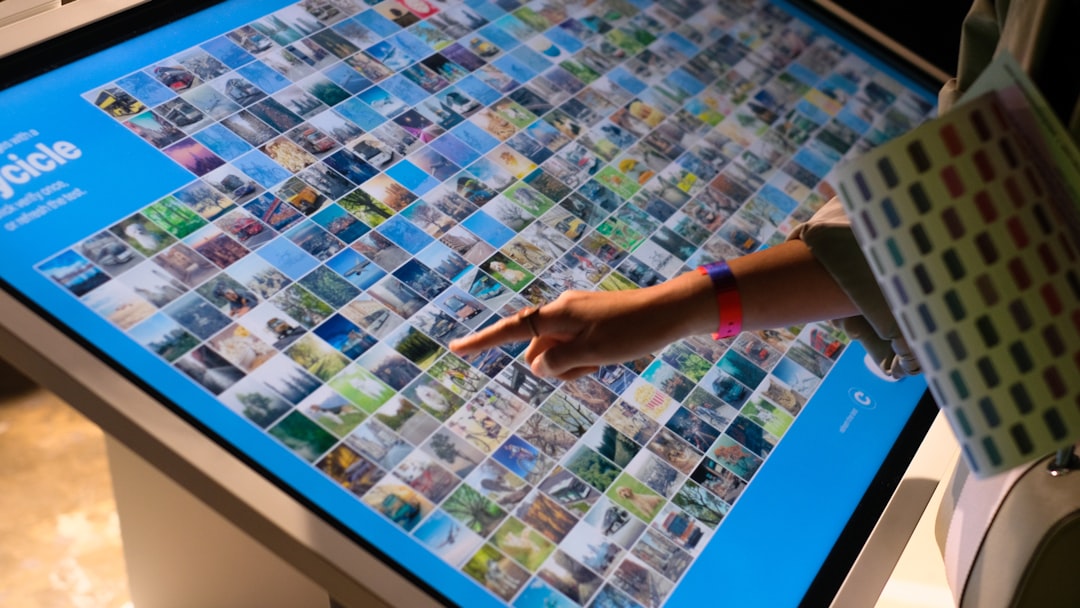
You need to understand this shift because it changes how you shop. Mobile device usage in stores is frequent, with many shoppers using phones to compare prices and access product information while shopping, and retailers are continuously embedding new digital tools into stores, from self-checkout and digital kiosks to app-based navigation.
Your phone is no longer a distraction in the store. It’s the store’s primary interface with you.
Half the time now, you’re walking in with an app already open. You know what you want, you’ve already read the reviews, and you want to know if it’s in stock before you spend five minutes hunting through the wrong shelf. Global retailers stores next approach understands this. They’re building around it, not against it.
The payoff? Faster shopping. Less frustration. More relevance.
I once spent 20 minutes in a Target looking for a specific kitchen gadget that was apparently in stock according to their website, but their app had zero way to help me actually find it on a shelf—this was years ago, but it’s exactly the kind of friction retailers are finally fixing.
## Sustainability and Value: The Unspoken Design Rule
Here’s the contradiction nobody wants to admit. Global retailers stores next generation are becoming more sustainable, but they’re also becoming more expensive to build and maintain. Which means the cost gets passed somewhere.
Governments are demanding reduced emissions and waste, while consumers increasingly prefer and choose more sustainable brands. So stores are redesigning their physical infrastructure to meet those demands. LED lighting systems that respond to daylight. Recycling infrastructure that actually works (not just performative). Supply chains that are auditable.
The flagship store will increasingly serve as a tangible declaration of a brand’s commitment to sustainability and authenticity, reflecting a profound shift in consumer values. That Louis Vuitton flagship? That’s not indulgence—it’s a statement about how the brand operates globally.
But here’s the thing: smaller retailers can’t all do this at scale. That’s a problem. The mid-market is getting squeezed from both sides. Premium players building ultra-luxury experiences. Value players running lean on innovation. The middle’s shrinking.
## Omnichannel Isn’t New, but Now it Actually Works
You’ve heard “omnichannel” so many times it sounds like corporate mush. But in 2026, customers expect seamless movement between digital and physical channels, with services like Buy Now, Pay Later (BNPL) and real-time inventory visibility now standard expectations.
That’s not a buzzword anymore. That’s the baseline.
Start shopping on your phone. Continue in the store. Pick it up tomorrow. Or have it sent same-day. Global retailers stores next generation are building these transitions to feel natural, not like you’re switching between two different companies.
The infrastructure for this is real. Real-time inventory visibility is now a standard expectation. Most mid-size retailers have this. Many still don’t, which is part of why they’re struggling. You walk in, nothing’s where the app said it was, and the associate has to manually check in the back (which takes 10 minutes because nobody’s tracking anything). It’s maddeningly common.
Retailers that fixed this are winning. It sounds obvious. It’s not. Most didn’t.
## Frequently Asked Questions
What Exactly are Global Retailers Stores Next Generation Designing For?
Global retailers stores next generation are designing for experiences that blend physical and digital touchpoints seamlessly. They’re building toward rapid checkout, real-time information access, personalized recommendations, and sustainability visibility. The goal isn’t to replicate online shopping in a physical space—it’s to offer something only a physical space can deliver: sensory interaction, social experience, and immediate gratification. Stores are becoming hybrid spaces where technology disappears into the background.
How does Global Retailers Stores Next Approach Change the Customer Experience?
Global retailers stores next designs prioritize friction-reduction and value clarity. Mobile integration means you know exact stock before arriving. AR try-ons reduce purchase regret. Convenience only feels convenient when customers feel in control. Digital pricing and promotions update instantly, so you’re not paying yesterday’s price. Loyalty programs connect to your phone seamlessly. The result is faster, more personalized, more intentional shopping. You’re not wandering; you’re executing.
Why are Global Retailers Stores Next Investing So Heavily in AI if People Want Human Connection?
It’s not either-or. AI handles the boring stuff—inventory, pricing, route optimization—which frees human staff to do what AI can’t: genuine connection. Brands that connect all touchpoints seamlessly will stand out, and that frictionless flow becomes a competitive edge as customers stick with those who simplify their lives. The best global retailers stores next use AI to reduce friction and humans to build trust. When the system works, you barely notice the technology. You just notice that shopping feels easier.
Will Global Retailers Stores Next Stores Replace Online Shopping?
No. But they’ll stop competing with it. Starting a purchase on mobile, trying the product in-store and receiving it conveniently at home will be the norm. The physical store is becoming a fulfillment node in a larger system, not a standalone channel. Some customers will want the convenience of pure online. Others will want the immediacy of in-store. Most will want to move fluidly between both, and that’s exactly what global retailers stores next infrastructure is being built to support.
Conclusion: The Store Isn’t Dead. It’s Becoming Honest.
For years, retail tried to be two things at once: the old business of moving physical goods and the new business of data capture. Stores were caught between. Now they’re accepting what they actually are: physical nodes in a data-driven network where the experience matters because the product doesn’t always differentiate anymore.
Global retailers stores next generation are neither apocalyptic nor utopian. They’re practical. Omnichannel is now a basic expectation. AI handles the algorithmic stuff. Mobile integration happens by default. Sustainability is no longer optional. Experiences matter because retail commodities mostly don’t differentiate at a price point anymore.
The stores winning in September 2026 aren’t the biggest or fanciest. They’re the ones that actually solved the everyday friction—where’s the product, can I pay quickly, will I regret this purchase—and designed around the customer’s actual life, not some idealized shopping journey in a PowerPoint.
That’s the real shift. Not magic. Just competence, finally applied to something people actually do every day.

1 Comment
Pingback: Rise Mixed-Use Developments Rapidly in 2026: Market Leaders