

Private-label products consumer trust is no longer a nice-to-have conversation in the grocery world — it’s the entire ballgame. For decades, store brands lived in the shadows of name-brand competitors. But something shifted. And shift hard.
The data from 2026 tells a story that would’ve been unthinkable ten years ago: 92% of US grocery shoppers are equipped with store brands in their households, up from 89% in 2025. That’s not just growth. That’s a realignment of what shoppers actually believe about quality, value, and whether a package that says “Great Value” or “Kirkland Signature” deserves a spot in their cart.
Private-Label Products Consumer Trust: The Numbers Don’t Lie
The numbers speak louder than any marketing campaign ever could. In 2025, store brands achieved record highs in annual volume, which was $282.8 billion, up $9 billion over 2024. That’s not a trend. That’s a seismic shift in consumer behavior.
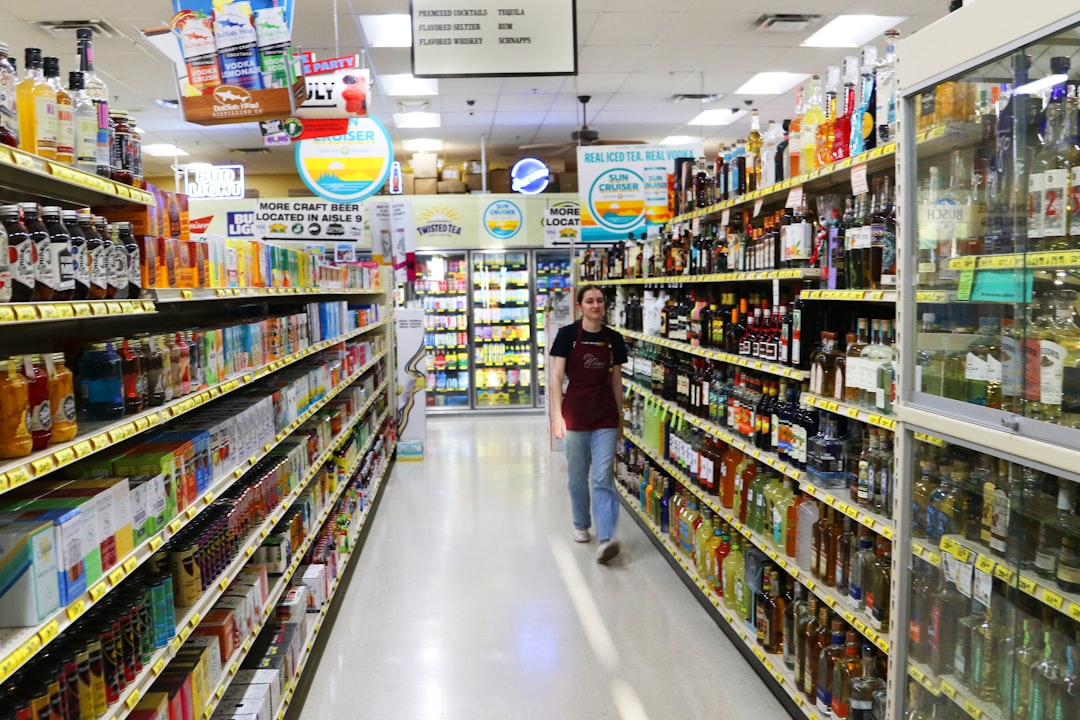
And here’s what really matters: Private brand unit share of consumer packaged goods (CPG) was 22.1% in 2021, and up to 23.9% by the end of 2025, with the dollar share of CPG private brands increasing from 20.9% to 22.3% over the same period.
But the real story isn’t just about market share percentages. Half of surveyed shoppers increased private label purchases in the last year, while 31% increased their name brand purchases. Let that sink in. More people are actively choosing store brands over the names they grew up with.
Why Your Assumptions About Store Brands Need Updating
Look, I get it. Ten years ago, “store brand” meant “cheap knock-off that tastes weird.” That image is dead. It’s burned down. Retailers killed it by actually investing money into their own labels.
Over half of shoppers said they trust store brands, and 44% rate them high for quality. That’s the trust gap shrinking in real time. And when you dig into Gen Z and millennial shoppers? Millennial and Generation Z shoppers are the primary age groups driving this surge in private labels, with 59% of Gen Z and 53% of millennials sharing they have raised their private label purchases in the past year, compared with 49% of shoppers overall.
This isn’t generational snobbery or price-only pragmatism. Gen Z and millennials, in particular, see private labels as authentic and trustworthy. Authentic. That word changes everything.
The catch? It’s still nuanced. Private label has moved from a budget alternative to the default choice for nearly half of global shoppers, reshaping how value is defined, as trust in brands erodes, with many consumers questioning their price and purpose. This is structural, not temporary. Once a shopper switches, they’re not flipping back just because a name brand puts a coupon on the shelf.
Private-Label Products Consumer Trust: What Retailers are Actually Doing
Retailers aren’t sleeping. They’re building multi-tier strategies. Retailers have been investing heavily in upgrading the quality, packaging, and positioning of their private label portfolios, with many supermarket chains now operating multi-tier private label strategies spanning value, mainstream, and premium segments.
Walk into a Whole Foods or a Trader Joe’s. Spend fifteen minutes looking at the labels. The design work. The ingredient lists. The packaging. It’s not cutting corners anymore. It’s deliberate brand building.
I spent two hours once comparing ingredient lists between Kirkland Signature peanut butter and a name-brand competitor at a Costco in Portland. The Kirkland version had fewer additives. More protein. Cost $4.29 instead of $7.99. That moment crystallized why this is happening. Quality plus value plus transparency. That’s the formula.
Private-Label Products Consumer Trust Across Different Categories
Not all categories are created equal. Leading growth categories for private labels included dried meat snacks, wine, and refrigerated baked goods, each posting year-over-year sales increases exceeding 20%, while refrigerated seafood, coffee grounds, and baking items also achieved growth in the teens.
Refrigerated categories. Meat. Seafood. These are items where quality perception hits hard. You can taste the difference (or you can’t). Shoppers know it. So when they pick up a store-brand salmon fillet or a private-label ribeye, they’re making a vote of confidence with their money.
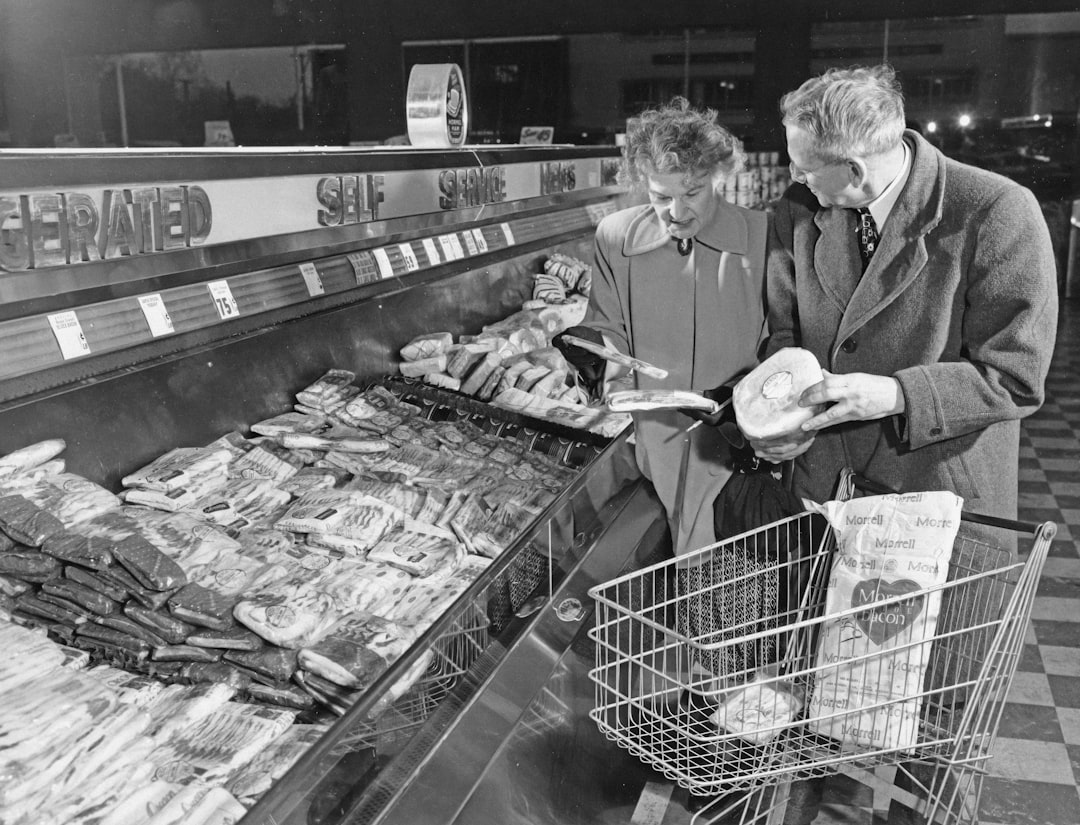
Compare this to, say, dish soap. The barriers to entry are lower. The product is more commodified. The difference between brands matters less to the consumer. But meat? Seafood? Wine? These categories demand trust, and private-label products consumer trust is winning ground specifically where it matters most.
The Price Premium Died in 2026
Here’s the thing about 2026: the price gap is narrowing so much that price alone doesn’t explain the shift anymore. While price has long been a factor in the appeal of private label offerings, the latest insights indicate that store brand expansion continues beyond inflationary periods, with growth stemming from shoppers’ lifestyle shifts and their desire for innovation.
One of every four food and non-food grocery products purchased is a store brand, and for a majority of shoppers, store brands represent quality and performance as good as or better than national brands while offering meaningful savings.
But here’s where it gets interesting — and where national brands are panicking. Loyalty to national brands is splintering, dropping from 21% to 10% in less than a year. You read that right. Loyalty collapsed. In one year. That’s not a market trend. That’s a trust erosion.
Younger Generations Drive the Narrative
Improving the quality of private brands has resulted in more consumer trust and adoption from younger consumers. This matters because younger consumers shape future trends. They’re not nostalgic about national brands. They don’t have childhood memories of loving Coca-Cola or Heinz. They just want the product that works, tastes good, and doesn’t empty their wallet.
Some retailers are leaning into this harder than others. Store brands around the world are engaging these younger consumers through social media channels and by creating viral moments. Trader Joe’s does this. Aldi does this. They’ve figured out that authenticity (boring, unsexy authenticity) actually plays on TikTok.
Frequently Asked Questions
What Percentage of Shoppers Actually Trust Private-Label Products Consumer Trust Compared to Name Brands?
Over half of shoppers said they trust store brands, and 44% rate them high for quality. While name brands still hold a slight edge in “complete trust” perception, private-label products consumer trust is closing that gap fast. Sixty percent of shoppers say they “completely trust” or “somewhat trust” private label and national name brands, which means the playing field is leveling.
Are Younger Shoppers More Likely to Buy Private-Label Products Consumer Trust?
Yes, absolutely. Millennial and Generation Z shoppers are the primary age groups driving this surge in private labels, with 59% of Gen Z and 53% of millennials sharing they have raised their private label purchases in the past year. For Gen Z especially, store brands carry no stigma and plenty of authenticity.
Why is Private-Label Products Consumer Trust Growing Even When Prices Aren’t Dropping?
While price has long been a factor in the appeal of private label offerings, store brand expansion continues beyond inflationary periods, with growth stemming from shoppers’ lifestyle shifts and their desire for innovation. Retailers have upgraded quality, packaging, and positioning so much that price is no longer the only reason people buy.
What Categories See the Strongest Private-Label Products Consumer Trust Growth?
Leading growth categories for private labels included dried meat snacks, wine, and refrigerated baked goods, each posting year-over-year sales increases exceeding 20%, while refrigerated seafood, coffee grounds, and baking items also achieved growth in the teens. Quality-sensitive categories where consumers can taste or see the difference are where private label is winning hardest.
How Long will this Shift in Private-Label Products Consumer Trust Stick Around?
The move to private label is sticking, with most consumers not planning to return to brands even with price changes, signaling a long-term reset in shopping behavior. This isn’t a recession-driven dip. It’s a structural change in how consumers evaluate brands.
The Real Takeaway: Trust is Earned, Not Assumed
Here’s what matters most. Private-label products consumer trust is no longer built on “it’s cheaper.” It’s built on “it’s as good.” It’s built on years of retailers saying “we’re going to make our own stuff actually good” — and then delivering. It’s Gen Z shoppers who never developed brand loyalty to begin with. It’s supply-chain efficiency that actually helps with consistency.
The national brand world built their advantage on decades of advertising and emotional connection. Private label is burning that down by being boring, consistent, and predictable — the most trustworthy things a consumer product can be. For a majority of shoppers, store brands represent quality and performance as good as or better than national brands while offering meaningful savings.
If you’re shopping and still paying a 30% premium for the name brand out of habit? You’re funding someone else’s marketing department. Nothing wrong with that if you genuinely prefer it. But if private-label products consumer trust has any lesson for 2026, it’s this: what you actually need to believe in is quality, consistency, and whether the product delivers. The brand name on the package is almost irrelevant now. And that’s exactly how retail got here.
