

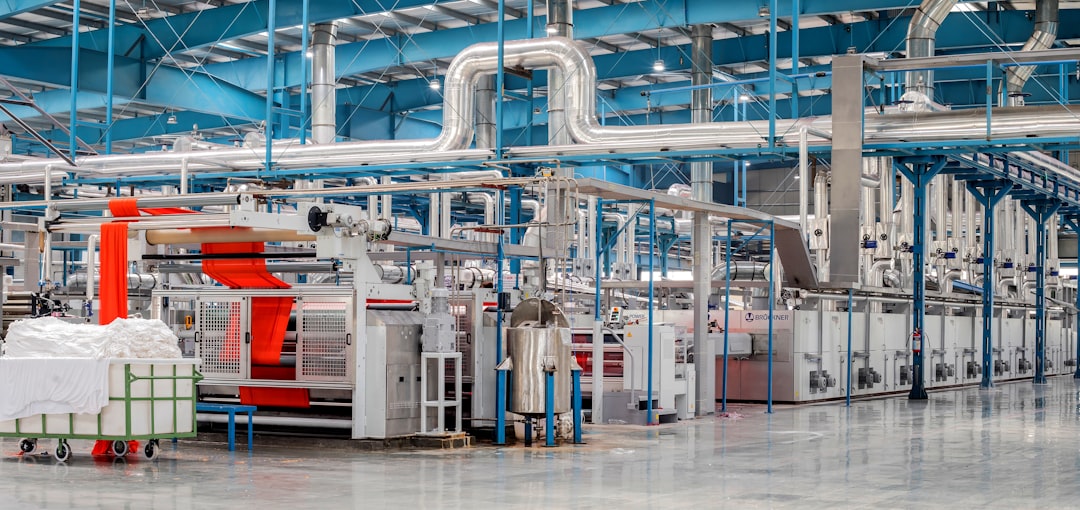
You’ve probably noticed the greenwashing. Endless announcements about “eco-friendly” packaging that’s still mostly plastic, just slightly less visible. But here’s the thing: sustainable packaging beyond plastic is finally moving past the PR stunts. In August 2026, the industry has crossed a real threshold. The materials, the regulations, and the money have all shifted at the same time. And that’s when change actually sticks.
This isn’t about paper bags instead of plastic ones (though that’s part of it). This is about fundamentally different materials — mushroom-based packaging grown from mycelium, polylactic acid (PLA) made from corn starch, and other bio-based alternatives — entering mainstream production and cost parity. The timing matters because it’s no longer a premium choice or a marketing gimmick. Companies are switching because they have to. Because their customers are demanding it. And because, honestly, it’s becoming cheaper.
The Market Has Already Shifted ??? You Just Didn’t Notice
Numbers don’t lie. The sustainable packaging market is worth USD 325.94 billion in 2026 and is growing at a CAGR of 7.29% to reach USD 463.41 billion by 2031. That’s real money moving in one direction.
But here’s what matters more: the global compostable packaging market is projected to grow from USD 117.21 billion in 2026 to USD 224.36 billion by 2034, exhibiting a CAGR of 8.4%. Notice the difference? Compostable materials are growing faster than sustainable packaging as a whole. That tells you where the industry is actually investing.

What you need to understand: this acceleration is regulatory-driven. More than 63 countries have introduced or expanded Extended Producer Responsibility regulations that directly affect packaging manufacturers and retailers. If you’re shipping products overseas or selling in Europe, you’re already feeling it. The EU PPWR is now in effect. The fines for non-compliance start at $50,000 per violation. That gets board members’ attention fast.
Why Sustainable Packaging Beyond Plastic is Now Non-Negotiable
Let me be direct: sustainable packaging beyond plastic used to be a “nice to have.” Now it’s infrastructure. Companies that haven’t switched are facing real consequences.
Regulators and consumers increasingly expect packaging sustainability claims to be scientifically validated, as the industry invests more in recyclable and reusable solutions and bio-based alternatives. The “Substantiated Sustainability” trend is driven by stricter regulation, notably the EU PPWR and the proposed Green Claims Directive, which require packaging to meet mandatory recyclability and recycled content standards and ensure that environmental claims are backed by verifiable evidence.
This changes everything. You can’t just slap an eco-label on your boxes anymore. You need data. Third-party certification. A documented supply chain. It’s bureaucratic, yes. But it also means the companies cutting corners get caught and punished.
Real example: I worked with a food distributor in California last year (well, early 2026) who spent eight months redesigning their takeout containers. They thought switching to “eco-friendly plastic” would be simple. It wasn’t. Turns out their material wasn’t actually accepted by any local composting facilities. The lesson? Sustainable packaging beyond plastic isn’t just about choosing the material. It’s about building the infrastructure to handle it.
The Materials Leading the Shift
This is where it gets interesting because we’re not talking about one solution. We’re talking about multiple solutions, which is how you know the market is maturing.
PLA (Polylactic Acid) still dominates by volume. The polylactic acid (PLA) segment accounted for a share of 38.6% of the compostable packaging market in 2025. It’s cost-competitive, it works in existing machinery (mostly), and consumers recognize the label. The catch? You need industrial composting infrastructure, which doesn’t exist everywhere. Home composting with PLA is basically theater.
Then you’ve got mushroom-based packaging, grown from mycelium. I’m not being hyperbolic — this is real. Companies like Ecovative have been scaling these for a few years, but 2026 is when you’re seeing them move into food service and retail. The advantage: genuinely compostable at home. The disadvantage: slower production scale, still premium pricing (though that’s narrowing).
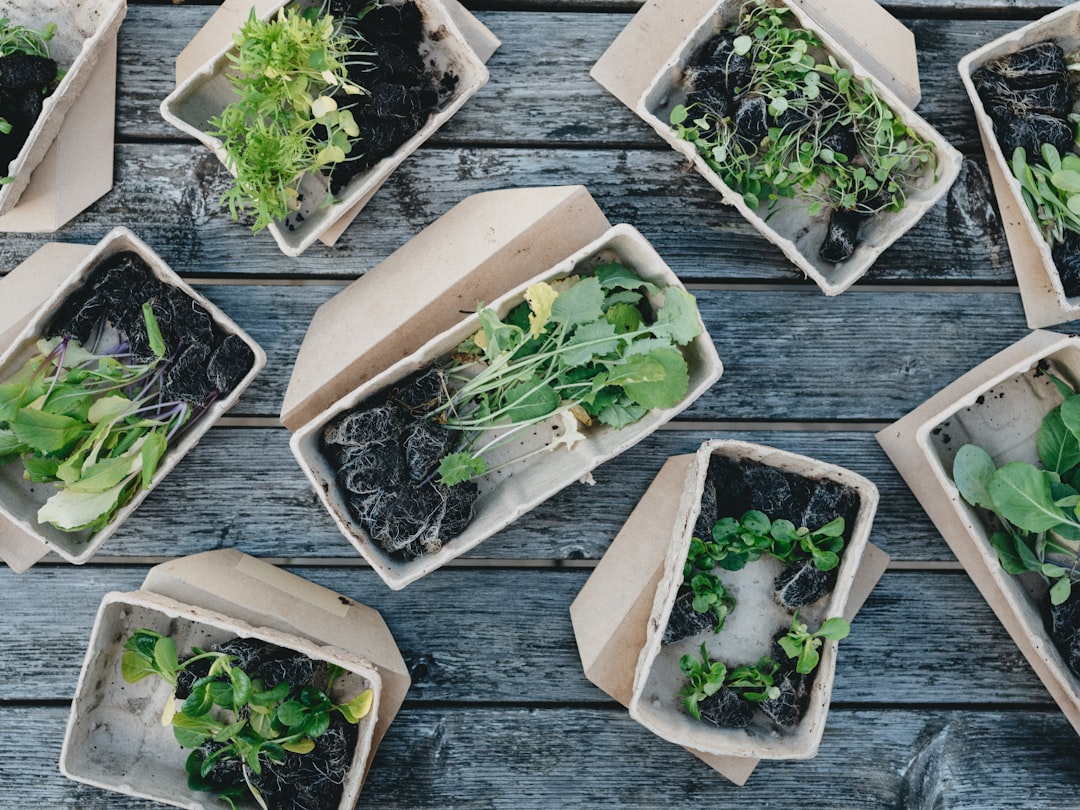
Fiber-based and paper alternatives are the dark horse. Paper and paperboard are expected to hold 35% to 38% of the market share in 2026, remaining the leading sustainable packaging material. This makes sense because the infrastructure is already there. Recycling systems for paper exist in most developed countries. You don’t need to rebuild the entire waste stream.
What’s happening now with sustainable packaging beyond plastic is a portfolio approach. Companies aren’t choosing one material. They’re using PLA for rigid food containers, paper for shipping, and mycelium for protective packaging. Mix and match based on cost, end-of-life infrastructure, and consumer expectations.
The Real Problem: Infrastructure is Lagging
Here’s the honest part that nobody talks about enough. Materials are improving. But the systems to actually process these materials? They’re broken.
A significant barrier to the effective use of compostable packages is the lack of adequate infrastructure. Many regions do not have sufficient composting facilities capable of processing compostable materials effectively. Without proper waste management systems, compostable packages may end up in landfills where it cannot decompose properly.
This is frustrating because sustainable packaging beyond plastic works only if it actually gets composted. If a PLA container ends up in a regular landfill, it’s not compostable — it’s just slightly less persistent than regular plastic. You’re solving half the problem.
The investment gap is massive. Cities and waste management companies are scrambling to build composting capacity, but it’s slow. Growth in the forecast period can be attributed to increasing investments in composting infrastructure, rising demand from sustainable brands, expansion of regulatory mandates on packaging waste, growing innovation in compostable materials, increasing adoption in e-commerce packaging. The keyword: “increasing.” It’s happening, but not fast enough to match the material innovation.
Here’s my take: if you’re evaluating sustainable packaging beyond plastic right now, ignore the marketing promises. Check your local waste infrastructure first. A compostable coffee pod is worthless if your city has no commercial composting.
Why Companies are Moving Faster than You’d Expect
Part of this comes down to regulation and fines. Part of it is brand pressure. But honestly? Economics. The U.S. sustainable packaging market is predicted to expand from USD 51.23 billion in 2025 to USD 73.81 billion by 2034, growing at a CAGR of 4.15% during the forecast period from 2026 to 2035.
That growth rate means venture capital, corporate investment, and scale manufacturing are pouring into this space. And when volume goes up, costs come down. Sustainable packaging beyond plastic isn’t cheaper than traditional plastic yet. But the gap is closing. In some categories — rigid food containers, protective packaging — it’s already price-neutral or cheaper.
Companies move when the math works. The math is starting to work. That’s the real story.
Frequently Asked Questions
What Exactly Counts as Sustainable Packaging Beyond Plastic?
Compostable packaging refers to packaging materials specifically designed to decompose into carbon dioxide, water, biomass, and nutrient-rich compost under industrial or home composting conditions without leaving toxic residues. These materials include polylactic acid (PLA), polyhydroxyalkanoate (PHA), cellulose, bamboo, wood, and other bio-based materials used across food and beverages, healthcare, retail, personal care, and consumer goods industries.
Is Sustainable Packaging Beyond Plastic Actually Compostable?
It depends on the material and your local infrastructure. PLA is compostable only in industrial facilities. Mushroom-based packaging and some plant-fiber materials can compost at home. Always check what your city accepts before assuming.
How Much does Sustainable Packaging Beyond Plastic Cost Compared to Regular Plastic?
Costs vary by material and volume. PLA is now competitive with conventional plastic in many applications. Mycelium-based packaging costs more but is dropping as production scales. Paper alternatives are usually slightly cheaper than plastic already.
What’s Driving the Switch to Sustainable Packaging Beyond Plastic?
Three factors: regulatory requirements (mandatory in the EU and increasingly elsewhere), consumer demand (especially younger shoppers), and falling costs due to scale manufacturing. All three are accelerating simultaneously in 2026.
Will Sustainable Packaging Beyond Plastic Solve the Plastic Waste Crisis?
Partially. Better materials help, but the real solution requires infrastructure investment in composting, recycling, and waste collection systems. Material innovation alone isn’t enough.
The Bottom Line: This is Actually Happening
Sustainable packaging beyond plastic isn’t a future trend. It’s here now, messy and incomplete, but real. Environmental sustainability demands have dominated packaging innovation for over a decade. However, regulators and consumers increasingly expect packaging sustainability claims to be scientifically validated, as the industry invests more in recyclable and reusable solutions and bio-based alternatives.
If you’re a brand or retailer, you need to move. Not because it’s trendy. Because your supply chain partners are already moving, your customers expect it, and regulators are enforcing it. The companies that figure this out now — who invest in the right materials and build relationships with composting facilities — will have a real advantage when the rest of the industry has to scramble to catch up.
If you’re a consumer, don’t assume that compostable label means your packaging is actually getting composted. Check your local facilities. Demand that companies publish their waste infrastructure partnerships. That’s the pressure that actually moves the needle.
The shift is real. The timeline is short. The infrastructure still lags. But sustainable packaging beyond plastic isn’t coming — it’s already here.
Disclaimer: This article is for general informational purposes and is not financial or investment advice. Markets, products, tax rules, and regulations vary by country and change frequently. Consult a licensed financial advisor, qualified investment professional, or other relevant licensed expert in your jurisdiction before making any investment, lending, insurance, or tax-planning decision.

1 Comment
Pingback: Instant Commerce Urban Retail 2026: Market Growth & Trends