

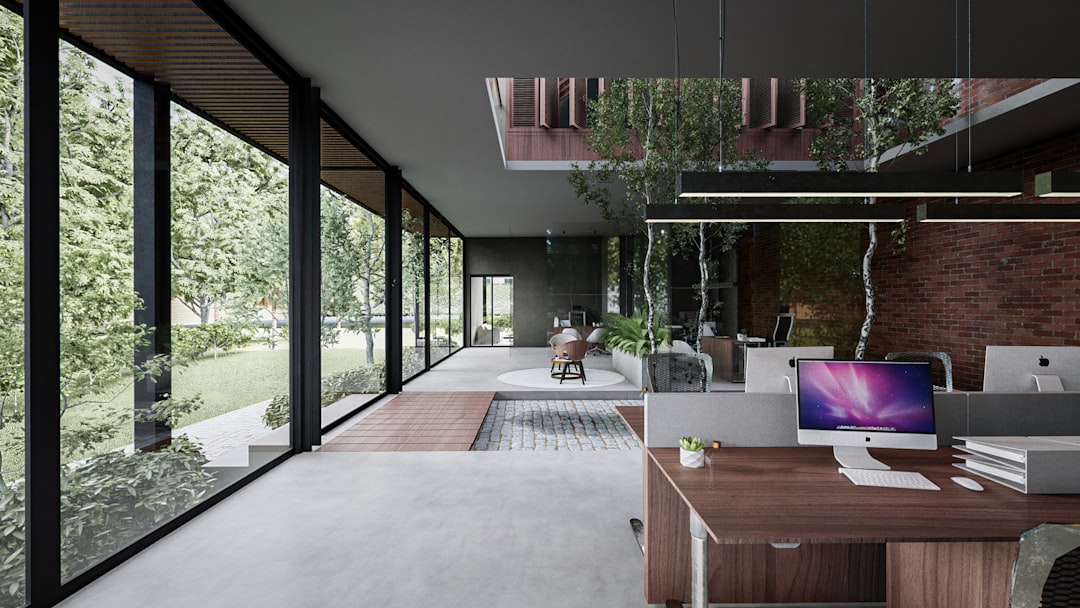
The future luxury residential developments market is undergoing a fundamental shift that has nothing to do with gold-plated fixtures or marble the size of a parking lot. Demand for larger home footprints and more land have increased throughout 2025, as buyers desire more space for multi-purpose living for work, wellness, and multigenerational family gathering. Wealth is rewiring how people think about home. And if you’re not paying attention to what’s actually happening, you’re going to get left behind.
Here’s what matters: The days of the small-is-beautiful penthouse in a city center are fading. Space is back. Flexibility is everything. And sustainability isn’t a nice-to-have anymore — it’s built into the bones of how the ultra-wealthy are thinking about asset longevity.
The global luxury residential market is massive. The global luxury real estate market was value at USD 316 Billion in 2026 and reaching USD 575.05 billion by 2035 with a projected CAGR of 6.9% from 2026 to 2035. But numbers alone don’t tell the real story. Let’s dig into what’s actually driving the future luxury residential developments worldwide — and why some developers are winning while others are puzzled.
The Death of the City Penthouse (And What’s Replacing It)
For two decades, if you had money, you bought a penthouse in Manhattan, London, or Hong Kong. Small. Sleek. Urban. Done.
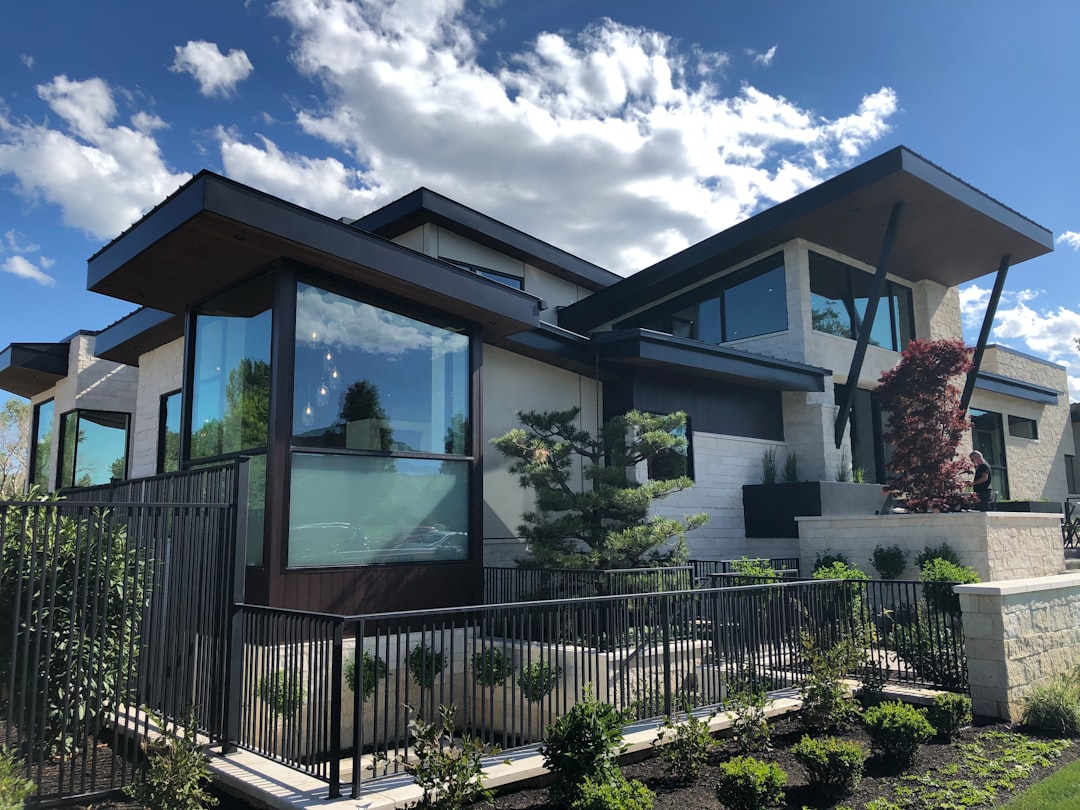
That narrative is collapsing. Demand for larger properties with privacy and room for expansion proved popular as inquiries for high-end properties increased by 23% from 2024 to 2025, including unique estates, castle-style residences, and land.
What this actually means: buyers want space. Not for showing off at dinner parties. For living. Real living.
I watched this shift happen at a luxury development convention in Miami last spring (yes, I had to sit through three days of marble samples and cappuccino). The takeaway from nearly every developer presentation was identical — the future luxury residential developments trend is moving away from dense urban cores toward properties with acreage, privacy, and what they kept calling “wellness integration.” Translation: room for a home gym, a meditation garden, and enough distance from your neighbors that you don’t hear their Peloton.
“A practical need for more space gradually transformed into a defining expectation of the high-end market: the modern luxury home must support our multihyphenate lives.” That’s the real insight. A lawyer who trades stocks and runs a podcast needs different infrastructure than someone who just commutes to an office.
Future Luxury Residential Developments Meet Generational Wealth: The Great Transfer is Here
Here’s something that’s being underplayed: money is moving. Serious money. Like, era-defining money.
The US$6 trillion inherited in 2025, a transfer of generational wealth that is becoming a major demand driver for luxury real estate, [shows] a 44% surge in foreign buyer activity in the U.S.
This isn’t just about rich people buying more houses. It’s about the type of buyer entering the market. Millennials with inherited wealth. Family offices from Singapore and Abu Dhabi. Investors hedging against currency risk. They think differently than the old guard. They’re less interested in prestige and more interested in performance. In optionality.
The future luxury residential developments space is being reshaped by capital that values flexibility over flash.
What does that look like on the ground? Developers are suddenly pivoting. Instead of building 50-unit towers with identical penthouse layouts, they’re building smaller, bespoke communities with diverse property types. A six-bedroom villa sits next to a four-bedroom estate. Buyer wants to sell in five years? There’s liquidity because there’s variety. Buyer wants to hold forever? The craftsmanship and materials support that decision.
Branded Residences are Eating the Market (Whether Developers Like it or Not)
This is the trend that surprised everyone except people who actually pay attention to hospitality.
A booming segment within luxury homes real estate is branded residences — properties developed in partnership with world-renowned hospitality or fashion brands. Names like Four Seasons, Armani, Bulgari, and Ritz-Carlton are attached to residential developments that offer hotel-level service combined with private ownership. This trend has expanded rapidly across markets in the Middle East, Southeast Asia, and Europe.
Here’s why this matters: branded residences solve a problem that traditional luxury developments never fully cracked. The buyer gets the cache of the brand. The service consistency. But also private ownership. It’s hospitality mindset applied to residential real estate.
I spent time looking at a Four Seasons branded development in the Caribbean last year. The units weren’t cheap (starting around $4.5 million). But the pitch wasn’t about square footage or views alone. It was about having your home managed by the same standards as a five-star hotel. Housekeeping. Concierge. Maintenance. Security protocols. For someone with three properties in three countries, this is actually useful, not just decorative.
The future luxury residential developments market is increasingly looking like hospitality with mortgages.
Quiet Luxury, Sustainability, and the Death of “Look at Me” Design
The design philosophy driving future luxury residential developments in 2026 has flipped 180 degrees from what ruled five years ago.
Quiet luxury entered the cultural vocabulary through fashion, but its residential implications run deeper. On the East End, the movement represents a generational shift in how wealth expresses itself through interior design. The old guard’s formal rooms, designed by firms like Parish-Hadley and filled with museum-quality antiques, gave way to a studied casualness that is every bit as expensive but refuses to announce itself.
Think about what that means. Unlacquered brass that patinas over time instead of polished chrome. Hand-troweled lime-wash walls instead of high-gloss lacquer. Sustainability remains essential, but in 2026 it is more refined and design-forward. Luxury homeowners are choosing responsibly sourced materials, energy-efficient systems, and long-lasting craftsmanship that reduces waste over time.
This is not virtue signaling. It’s asset protection. Wealthy buyers are finally admitting what architects have known for years: buildings designed for longevity hold value better than buildings designed for Instagram.
The future luxury residential developments that will appreciate over 20 years are the ones built with materials that age beautifully. Not trendy. Durable.
Smart Homes (The Invisible Kind) and Wellness Architecture
Here’s the thing about smart home technology in luxury developments right now: if you can see it, it’s already outdated.
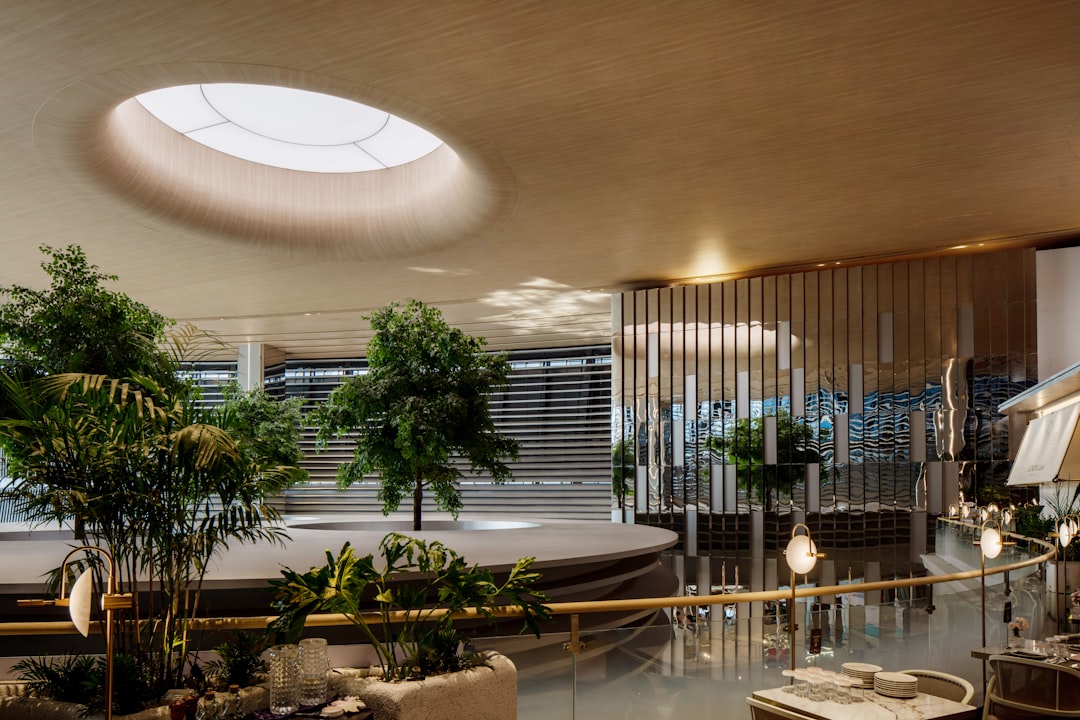
The most sophisticated smart homes in 2026 are the ones where you cannot see the technology at all. Motorized shade pockets are integrated into ceiling reveals during framing. Whole-home audio lives inside walls, not on shelves. Climate systems respond to occupancy patterns without a single visible thermostat. The best smart home is one that never asks you to interact with an interface.
The market for future luxury residential developments is moving toward wellness-integrated spaces that work without you thinking about them. Wellness-focused design continues to grow, but in 2026 it is more holistic. Rather than isolated gym rooms, luxury homes incorporate wellness through natural light, calming materials, spa-inspired bathrooms, and quiet retreat spaces. These design choices support both physical and mental well-being as part of everyday living.
This is actually a seismic shift. Old luxury was about showing off. New luxury is about functioning. About not being assaulted by visible technology while still having every system calibrated to your preferences. The future is undeniably here, with the smart home market projected to reach $193.5 billion in the US.
Developers who understand this — who can integrate technology so seamlessly that it disappears into the architecture — are going to own the next decade of the market.
Pricing Stabilization and the Return of Rational Buyers
The luxury market spent the past three years behaving like a casino. Irrational bidding wars. Multiple offers on gut feel. Prices that didn’t correlate to fundamentals.
That’s over. Mostly.
Luxury housing markets across the globe are moving toward a healthier equilibrium after years of heightened buyer demand, tight inventory and disconnected pricing expectations. The report states that global luxury markets are becoming more balanced due to stabilizing pricing expectations, resilient buyer demand and easing inventory pressures.
What does equilibrium mean? Home prices are projected to rise modestly by 2.2%, offering a stable backdrop for investment without the pressure of dramatic spikes.
This is actually good news for the future luxury residential developments sector. Developers can plan. Buyers can think strategically instead of panic-buying. Investors can run real numbers.
The U.S. market for luxury residential properties sits at USD 298.61 billion in 2026 and growing at a measured pace. No euphoria. No crash. Just reasonable, grounded growth.
Global Markets Diverging: Where Money is Actually Flowing
Here’s a reality check that most luxury real estate commentary misses: not all markets are equal.
The threshold for a luxury home in the U.S. is rising, with national expectations starting at around $1.3 million. But in emerging markets — Dubai, Southeast Asia, Latin America — the definition is looser. And the opportunity is different.
Secondary and tertiary cities are beginning to outperform traditional luxury hubs. London remains expensive. New York still matters. But a well-positioned development in Austin or Dubai is attracting capital faster than a mediocre property in Mayfair.
The future luxury residential developments investors paying attention are betting on emerging growth markets paired with branded partnerships. Think Four Seasons in Bali, not another penthouse in Manhattan.
Frequently Asked Questions
What Defines Future Luxury Residential Developments in 2026?
In 2026, the global luxury housing market enters a new phase of evolution. If luxury was once defined by square footage, opulence, and prestigious addresses, today the focus has shifted toward a more refined dimension: experience-driven living, holistic wellbeing, and long-term value creation. The emphasis is on functionality, sustainability, and lifestyle integration rather than pure status.
Are Future Luxury Residential Developments Still Appreciating in Value?
Yes, but modestly. After outperforming traditional real estate in both sales and value in 2025, the luxury market is expected to continue its upward trajectory in 2026. However, expect 2-2.2% annual appreciation rather than the 8-10% spikes we saw during the pandemic. This is healthier for long-term investors.
What’s the Biggest Trend in Future Luxury Residential Developments Right Now?
The shift from dense urban penthouses to larger properties with privacy and space. Demand for larger home footprints and more land have increased throughout 2025, as buyers desire more space for multi-purpose living for work, wellness, and multigenerational family gathering. This reflects deeper lifestyle changes post-pandemic.
How are Future Luxury Residential Developments Responding to Sustainability Demands?
Developers are embedding sustainability into design and materials rather than treating it as an add-on. Responsibly sourced materials, energy-efficient systems, and craftsmanship designed for longevity are now baseline expectations in developments targeting ultra-high-net-worth buyers, not differentiators.
The Bottom Line: What Actually Matters
Stop thinking about luxury residential real estate as a trophy game. It’s not. It’s becoming a sophisticated capital allocation decision driven by people who understand that real wealth is about optionality, longevity, and doing less shouting about what you own.
The future luxury residential developments worldwide are being shaped by six forces: generational wealth transfer, demand for space and flexibility, branded partnerships that solve service problems, design philosophy that ages well, invisible technology integration, and geographic diversification beyond traditional hubs.
If you’re investing, building, or buying in this space, the winners will be the ones who see luxury not as “more expensive” but as “differently thoughtful.” The future belongs to developers who can deliver properties that work flawlessly, materials that improve with time, and communities that serve people’s actual lives instead of their Instagram feeds.
That’s not flashy. But it’s how real fortunes are built.
