

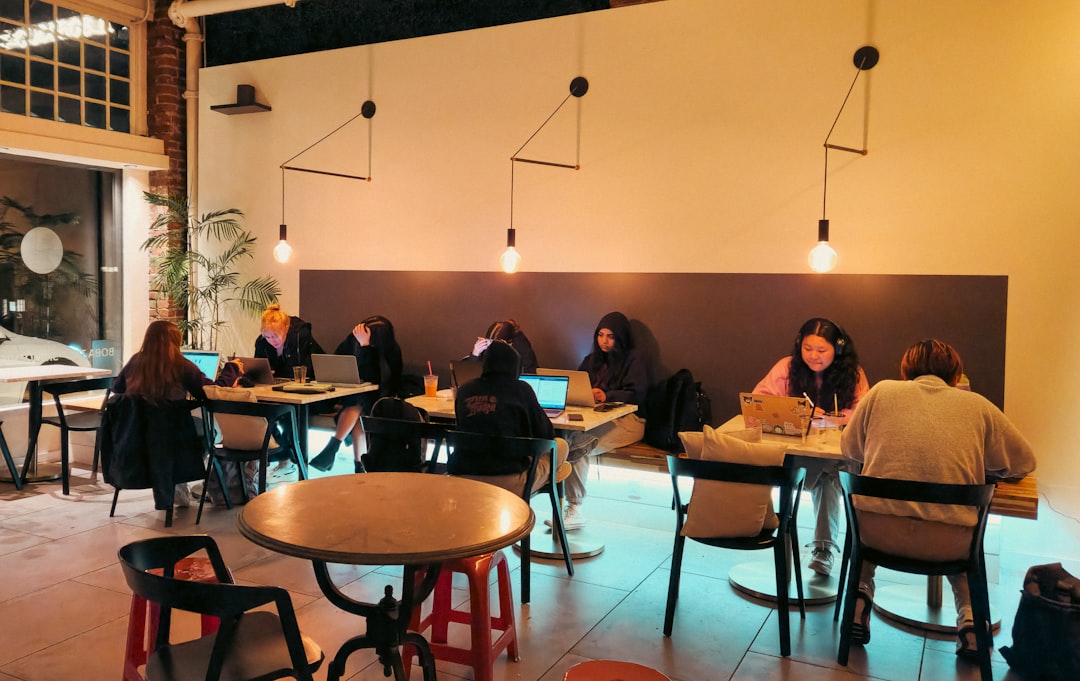
The rise digital nomad communities is no longer a story about Bali or Barcelona. If you've been paying attention to where remote workers actually settle, you've noticed something shift — the best hubs aren't always the Instagram-famous ones. They're happening in Lisbon's up-and-coming neighborhoods, regional Polish cities, and mid-tier towns across Southeast Asia that nobody was talking about five years ago. This isn't a small ripple. The global digital nomad population has reached approximately 43 million in 2026, up from roughly 35 million in 2023, and the momentum is pulling people away from the usual capitals into places that actually have infrastructure, community, and affordability.
The real story isn't just that digital nomadism exists — it's that it's matured into something you need to understand if you care about how people work, live, or where cities are heading.
Why the Rise Digital Nomad Communities is Happening Right Now
Look. Cities have been fighting over talent forever. But sixty-six countries now compete for nomad residents through dedicated visa programs, co-working spaces have become standard in cities from Lisbon to Chiang Mai, and employers increasingly accommodate location-independent arrangements.
That infrastructure didn't exist five years ago. Not like this.
Around 60 countries now offer digital nomad visas or remote-worker residency programmes as of 2026, and governments are genuinely competing for your tax revenue. Some countries are even offering citizenship pathways. Only 3 countries (Czechia, Greece, Spain) offer a direct pathway from a nomad visa to citizenship — but the fact that this is even an option tells you how seriously countries take this demographic.
The real money is flowing too. The average nomad income of $124,720 far exceeds the U.S. median household income, dispelling the myth that nomads sacrifice earnings for lifestyle. These aren't backpackers sipping cheap coffee and blogging — they're knowledge workers with real salaries, and they're spending that money in local economies. Digital nomads contribute an estimated $940 billion per year to the global economy through direct economic spending.
Cities that figure out how to attract these people win.
The Rise Digital Nomad Communities Beyond Tier-One Cities
Here's where it gets interesting. The biggest tier-one cities — Tokyo, Paris, London — are expensive, crowded, and honestly? Overrated for nomads. According to the 2024 Lonely Planet Future of Travel Report, 72% of digital nomads prioritize cost of living when choosing destinations.
That explains why the action has shifted.
Eastern Europe is booming. Latin America and Eastern Europe have emerged as top destinations for remote hiring, with 156% and 143% growth respectively. Budapest, Bucharest, and Warsaw are getting serious investment in co-working spaces and digital-first infrastructure. You get fiber internet, a vibrant cultural scene, a coffee that costs $2, and a community of people who actually want to be there because it feels like something is happening.
Southeast Asia is following suit. Nomad List reports that Japan and South Korea saw the fastest year‑over‑year growth in nomad arrivals, driven by improved visa pathways, strong infrastructure, and cultural appeal. Chiang Mai has been the obvious play for years, but now smaller Thai cities, the Da Nang corridor in Vietnam, and mid-tier Indonesian towns are becoming serious alternatives.
The pattern is clear: the rise digital nomad communities thrives in places with strong fundamentals — good internet, affordable housing, existing co-working infrastructure, visa support — but where rents haven't exploded yet.
How Communities are Actively Building for Digital Nomads
Here's the thing: successful cities aren't waiting for nomads to show up. They're building ecosystems.
Co-working spaces aren't just desks anymore. In Lisbon, Barcelona, and Medellín, they've become community hubs — event spaces, networking nodes, social venues. They're where you meet other remote workers, where local service providers (accountants, tax advisors, immigration lawyers) set up shop, where meetups happen twice a week.
Some examples:
- Portugal has invested heavily in nomad-friendly infrastructure. Lisbon's neighborhoods like Alcântara and Alvalade now have co-working spaces on every block, affordable co-living apartments, and monthly nomad networking events.
- Mexico's Caribbean coast — Playa del Carmen, Tulum — has built entire digital nomad colonies with stable power, redundant internet, and communities of 2,000+ remote workers each.
- Colombia's Medellín launched a specific tech community hub and now hosts thousands of remote workers annually.
The communities that survive and thrive aren't the ones that just market themselves. They're the ones with actual infrastructure and people on the ground making it work.
The Generational Shift Driving the Rise Digital Nomad Communities
This isn't random. Gen Z accounts for 35% and Millennials for 40%, totaling 75% of all digital nomads. That's important because it means the rise digital nomad communities isn't a retirement trend or a temporary phenomenon — it's how younger professionals actually structure their careers.
85% of workers said remote work now matters more than salary when evaluating a job.
Think about that for a second. Salary. No longer the deciding factor. That's a massive shift in what workers want, and it's not reversing. I once knew a developer in Chicago making $140K with a 90-minute commute. He took a 20% pay cut to move to Medellín, cut his cost of living in half, and hasn't looked back. His salary mattered less than having his life back.
Younger workers (and increasingly, older ones too) are willing to optimize for lifestyle, cost of living, and access to community — sometimes even at the expense of traditional career advancement.
Challenges the Rise Digital Nomad Communities Still Faces
But — and this is important — the rise digital nomad communities isn't without friction.
Taxation and legal status. If you're living in a new country, working for a company based elsewhere, the tax situation can get messy fast. Most national visa schemes require a monthly income between €2,000 and €5,000, with Japan and South Korea sitting significantly higher at approximately €57,000 to €60,000 annually. That creates a floor that excludes some remote workers while others navigate murky dual-taxation rules.
Burnout and community fatigue. The dream of constant travel gets old. Many nomads end up settling in one place after 18 months. Some burn out entirely. The rise digital nomad communities only works if there's enough social infrastructure and stability that people actually want to stick around (and keep spending money locally).
Internet reliability. You still need power and connectivity. Co-working spaces solve this, but not everywhere. A couple of power outages in a row, and your productivity falls apart. This is why tier-two cities with stable infrastructure beat tier-three cheaper options.
Frequently Asked Questions
What's Driving the Rise Digital Nomad Communities in 2026?
The rise digital nomad communities is being driven by three things: improved global internet infrastructure, the normalization of remote work post-pandemic, and explicit government competition through digital nomad visa programs. Countries are now competing to attract remote workers with tax incentives, long-stay visas, and improved digital infrastructure. Additionally, younger workers prioritize lifestyle flexibility and cost of living over traditional salary metrics.
Where are the Best Rise Digital Nomad Communities Actually Forming?
Eastern Europe (Budapest, Bucharest, Warsaw), Southeast Asia (Chiang Mai, Da Nang, Bangkok suburbs), and Latin America (Medellín, Mexico City, Playa del Carmen) are where the strongest ecosystems are developing. These locations combine affordable housing, reliable internet, existing co-working infrastructure, and supportive visa policies. Tier-one cities like Paris and London are being bypassed because they're too expensive and already saturated.
How does the Rise Digital Nomad Communities Affect Local Housing and Costs?
It's a double-edged sword. Local economies benefit enormously from nomad spending ($940 billion globally annually), but rental markets can inflate quickly. Lisbon has seen significant gentrification driven partly by digital nomad demand. Cities that manage the growth well implement affordable housing policies and mixed-income neighborhoods; others see locals priced out entirely.
Do You Need a Special Visa for the Rise Digital Nomad Communities?
It helps. Around 60 countries now offer digital nomad visas or remote-worker residency programmes as of 2026, which typically run 1–5 years and cost between €2,000 and €5,000 monthly income. However, many nomads operate on standard tourist visas or extended tourist runs. Digital nomad visas provide legal clarity and sometimes tax benefits, but they're not mandatory for every destination.
Can the Rise Digital Nomad Communities Actually Sustain Long-Term Growth?
Probably, but with caveats. Projections suggest the population could reach 80 million by 2030 as remote work infrastructure continues expanding. However, not all communities will grow equally. Those with deliberate infrastructure investment, community-building efforts, and stable governance will thrive. Those gambling on short-term tourism models will struggle as soon as the next economic downturn hits.
The Real Takeaway
The rise digital nomad communities isn't hype anymore — it's structural. The digital nomad economy has evolved from a niche lifestyle into a major segment of the global workforce. The winners will be cities that invested early in infrastructure and treated nomads not as temporary tourists but as a permanent demographic with real economic power.
If you're thinking about where to work or where to build community in 2026, stop assuming you're limited to the cities you've always heard of. The second-tier cities are where the real action is: stable internet, affordable living, genuine communities forming around shared remote work, and governments actively rolling out the welcome mat. The infrastructure exists. The communities are building themselves. The only question is whether you're in the right one.
