


Emerging markets will account for nearly two-thirds of global growth by 2026, expanding almost three times faster than advanced economies. Let that sink in for a moment. While Wall Street obsesses over AI, emerging markets global economic resilience is quietly reshaping where money, jobs, and opportunity actually flow.
Here’s the reality: the story of the global economy isn’t written in the financial capitals of wealthy nations anymore. The MSCI Emerging Markets Index delivered a total return of 33.6% in 2025, outpacing both the S&P 500 Index (17.9%) and the MSCI World Index (21.6%). That’s not luck. That’s a fundamental shift in how the world works.
Yet most people miss it. Investors chase trendy sectors. Business leaders hedge bets on too many regions at once. Policymakers in developed economies still act like they control the levers. They don’t. Not anymore.
The emerging markets global economic power has become the thing nobody expected: sustainable, diversified, and increasingly indifferent to what Wall Street thinks.
The Numbers Tell a Different Story than Headlines Suggest
The International Monetary Fund (IMF) projects emerging markets to grow by 3.9% in 2026, outpacing advanced economies, which are expected to expand by just 1.4%. That gap isn’t small. That’s nearly three times faster growth.
But here’s where it gets interesting. India tops the list, with a real GDP growth expected to exceed 6 percent again this year, driven by robust domestic demand, digital transformation and manufacturing growth. We’re not talking about one-off outperformers. Indonesia follows at 5.0 percent, leveraging its young workforce and commodity exports. China, though facing structural slowdowns, remains a key player with 4.4 percent economic growth projected this year.
What matters more than these individual numbers? The consistency. The diversification. Emerging markets global economic growth isn’t dependent on a single country pulling the weight.
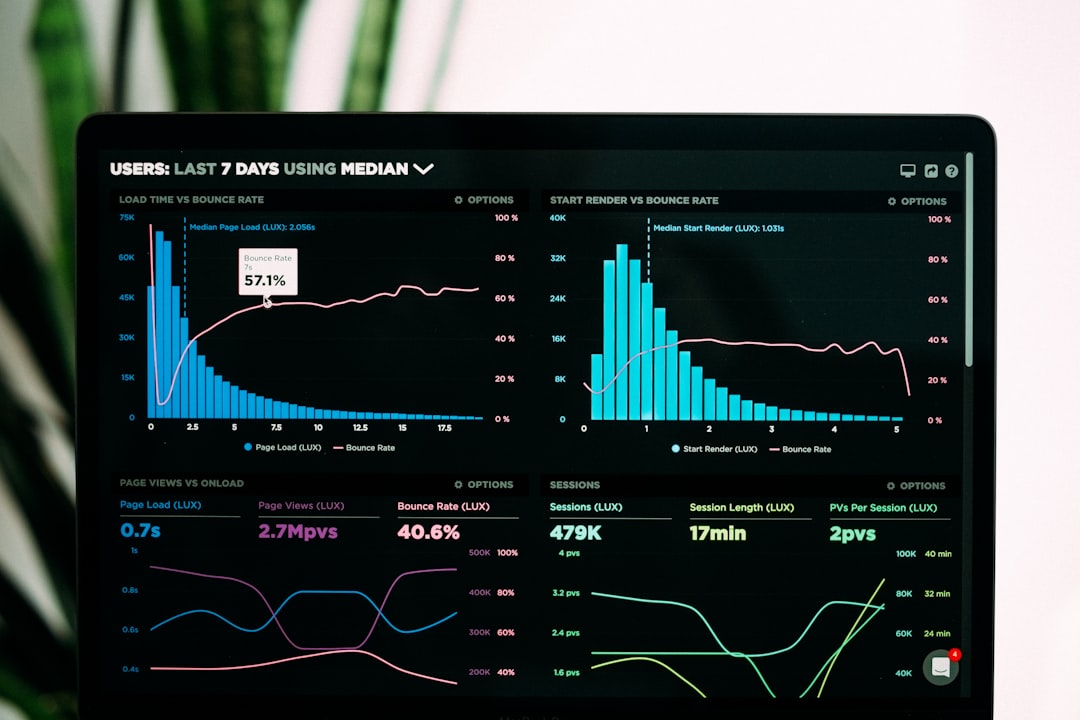
I spent a week in Delhi last summer talking to software engineers and fintech founders. What struck me wasn’t the startup culture (though that exists). It was the ordinary people—retail employees, logistics workers, small-business owners—who had better prospects than their counterparts earned five years ago. That’s what 6%+ growth actually looks like on the ground.
Why Emerging Markets Global Economic Strength Matters to You (Even if You Don’t Invest There)
You probably think this doesn’t affect you if you live in North America or Europe. Think again.
Supply chains run through these regions now. Global demand for technology hardware, semiconductors, and energy-related goods allowed several EM regions to outperform expectations. Your phone was likely assembled in Vietnam. Your clothing came from Bangladesh. Your coffee probably transited through emerging-market ports.
Emerging markets global economic decisions—how fast they grow, whether they tighten credit, what trade deals they strike—ripple backward into every developed-world consumer price and job market.
Many have strengthened domestic policies, reduced national debt, and increased international reserves, which has improved their ability to weather economic uncertainty. This is the boring, unsexy truth: emerging markets got more responsible with money exactly when developed economies were piling on debt. The U.S. ran $1.8 trillion deficits in 2024 and 2025. Brazil, Mexico, and Indonesia? They tightened fiscal belts.
That’s leverage. That’s power.
Emerging Markets Global Economic Growth Drivers: Tech, Trade, and Talent
What’s actually pushing this growth?
First: Digital adoption isn’t a future trend anymore—it’s infrastructure. Growth in the service sector and advancements in technology, particularly AI, are supporting economic activity. But—and this is crucial—the benefits aren’t evenly distributed (more on that in a moment).
Second: Manufacturing realignment is real. Many countries accelerated exports to the US early in 2025 to circumvent tariffs. However, in response to ongoing US tariffs, Asian economies are now seeking alternative export markets. That’s not passive. That’s companies actively choosing new supply-chain partners. Vietnam, Thailand, Philippines, and Indonesia aren’t asking for business anymore—they’re picking which multinationals get to operate there.
Third: Demographics. India is on track to become the world’s third-largest economy. You know why? Over a billion people. A median age of 28. They’re building cities, roads, and businesses at a pace developed nations can’t match because the labor pool and internal demand are just… there.
But here’s where I’ll contradict myself slightly: Benefits from changing trade patterns and AI-related investments in emerging markets are unevenly shared. The long-term potential of emerging markets depends on sharing gains equitably, prioritising social inclusion and environmental sustainability. Growth is happening. Not everyone is getting a piece. That’s a problem that’ll bite back within a decade.
The Risk Nobody Talks About: Debt and Volatility
There’s a reason emerging markets global economic returns are higher. Risk.
Emerging market and developing economies (EMDEs) face the weakest per capita income growth since the pandemic. That sounds contradictory to what I just said, right? It’s not. Aggregate growth is strong. Per capita—meaning per person—gains are still struggling. That’s the inequality gap again.
Here’s the other catch: Rising debt is driving up EMDE borrowing costs, particularly for those most indebted. When emerging-market governments need to borrow, they pay more. When interest rates globally spike, they get crushed first. When capital flows reverse (and they always do), they bleed.
I watched this happen in Turkey in 2021. I was there researching a story. The currency tanked 30% in weeks. Prices jumped. People’s savings got sliced in half overnight. The fundamentals looked decent on paper. The psychology didn’t.
So yes: emerging markets global economic growth is real. The returns are real. The risk is equally real.
What Emerging Markets Global Economic Strength Means for Investors and Business Leaders
Let me be direct: if you’re not thinking about emerging markets in your portfolio or supply chain, you’re leaving money on the table.
But “thinking about it” doesn’t mean spray-and-pray investment in a dozen random countries.
Start here:
- Sector matters more than region. Tech and manufacturing in India, Indonesia, Philippines. Energy and commodities in Russia, Saudi Arabia, and parts of Africa (where risks are different). Financial services in Mexico and Brazil.
- Currency exposure is real. You can have a +6% growing economy and a -8% currency depreciation. Hedge accordingly. Or don’t, if you believe in the long-term currency story.
- Geopolitics isn’t optional. The World Bank’s Global Economic Prospects tracks country risk scores. Read them. Risks include escalating hostilities, further commodity market disruptions, and additional geopolitical strains.
- Diversification within emerging markets matters. Don’t put everything in India just because it’s hot. China, Brazil, and Southeast Asia offer different exposures.
Frequently Asked Questions
What does Emerging Markets Global Economic Growth Mean for Developed Countries?
Emerging markets are expected to drive 65% of global economic growth by 2035. For developed countries, this means slower relative growth but access to faster-growing consumer markets, cheaper manufacturing, and emerging-market debt yields that look attractive compared to developed-market bonds.
Why is Emerging Markets Global Economic Resilience Improving Right Now?
EM economies have adapted, helped by structural reforms, early monetary tightening, and diversified export bases. They learned the lessons of the 2010s—when currency crises and sudden capital outflows wiped out years of gains. Now they’re running tighter ships.
How Much of Emerging Markets Global Economic Growth Comes from a Few Big Countries Like India and China?
Significant portion—but not all. India is the fastest-growing economy with 6.16%, followed by Philippines (5.73%) and Vietnam (5.60%). Smaller markets matter too. The ASEAN region is a growth machine that most Western investors barely understand.
What’s the Biggest Risk to Emerging Markets Global Economic Growth in 2026?
The Middle East conflict has triggered sharp energy price increases, renewed inflation, and global growth is projected to slow to 2.5 percent in 2026. For emerging economies dependent on energy imports, that’s a squeeze on margins. Trade wars and tariff escalation are the other tail risk—one protectionist move and the whole supply-chain diversification strategy breaks.
Are Emerging Markets Global Economic Opportunities Overhyped Right Now?
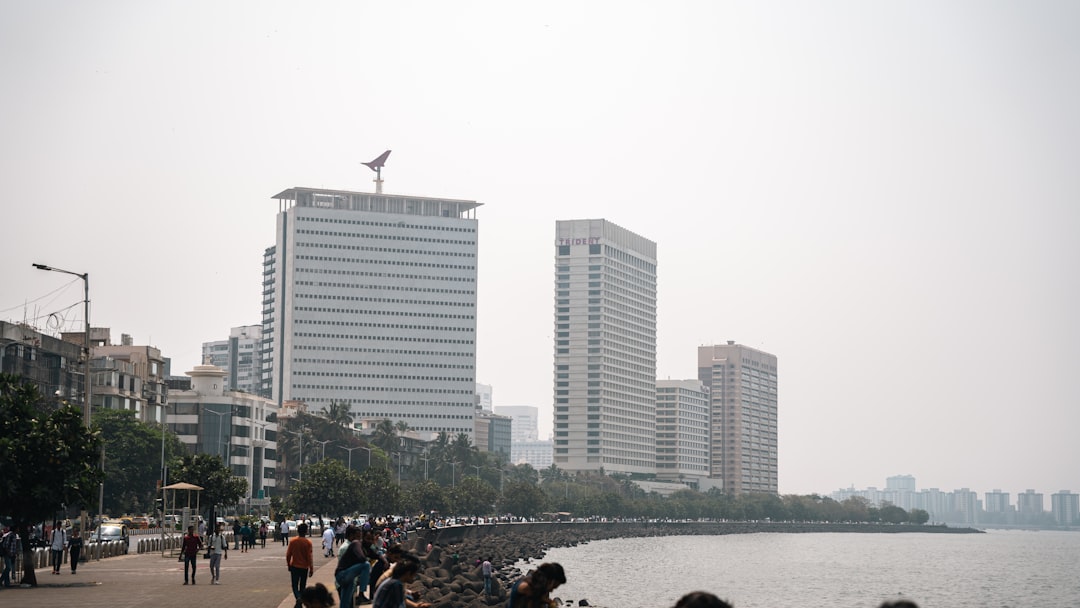
Partially. Valuations in some sectors have gotten frothy. India’s stock market has priced in years of growth. But the underlying fundamentals—demographics, digital adoption, policy reform—are real. This isn’t a bubble. It’s just not the free-money opportunity it looked like in 2023.
The Real Takeaway: Pay Attention, Stay Skeptical
Emerging markets global economic growth is no longer a nice-to-have exposure for your portfolio. It’s where the world’s actual growth is happening.
But don’t get religious about it. Growth is real. But distribution is uneven. Risk is present. Currency moves bite. Geopolitics matter.
The investors and business leaders winning right now aren’t the ones betting everything on emerging markets. They’re the ones who’ve built a differentiated view on which emerging markets, which sectors, and what risks they can tolerate—and then executed with discipline.
Start with Lazard Asset Management’s 2026 outlook on emerging markets for a professional-grade foundation. Then build your own thesis.
That’s where the real money is. Not in following the crowd. In understanding why the crowd is moving, and whether you should move with them.
