

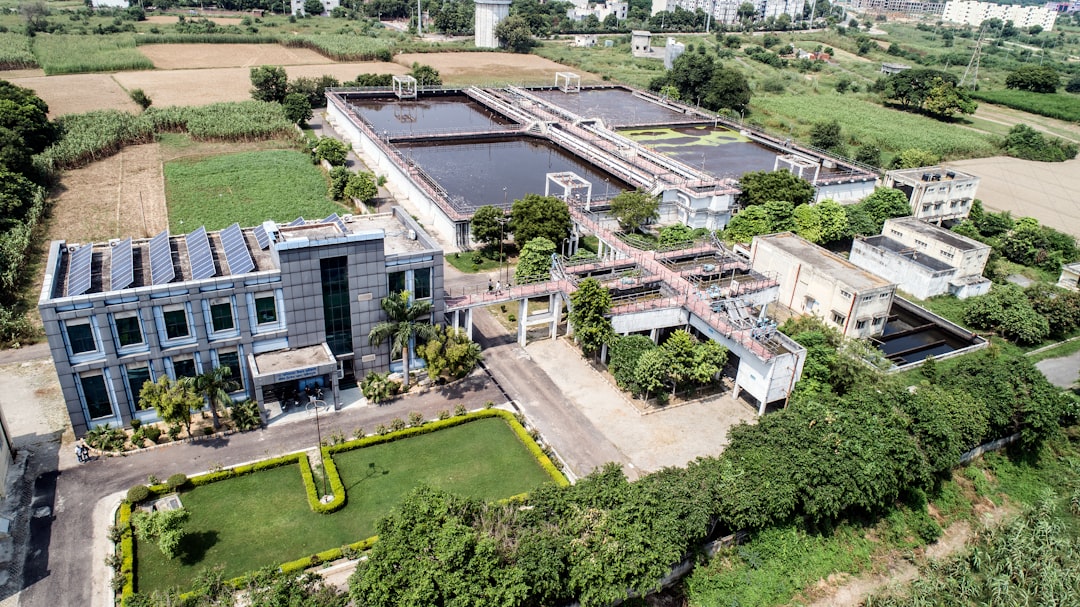
Future sustainable infrastructure investments are reshaping how the world builds everything from power grids to transit systems—and investors are finally paying attention. Look around any major city in 2026, and you’ll spot the shift: solar arrays on water treatment plants, AI-powered data centers running on renewable energy, electric bus networks humming alongside centuries-old rail lines. But here’s the catch—the scale of what’s needed is staggering, and most places aren’t moving fast enough.
The infrastructure investment gap sits at roughly $6.9 trillion per year, which is honestly the kind of number that numbs you. Yet soaring renewables investment and grid upgrades are emerging as key trends for 2026, driven by energy transition demands and data center growth. This is where the real story gets interesting—and where your money (or your institution’s capital) might be headed.
Future Sustainable Infrastructure Investments: Why the Massive Reboot Matters Right Now
You’re not reading about infrastructure by accident. Global infrastructure is entering an unprecedented investment cycle, with annual spending forecast to rise from US$4.4 trillion in 2024 to US$6.9 trillion in 2050. That’s growth of over 55% across 24 years. But here’s the twist: not all of that money is going toward sustainable projects. The game is separating the projects that actually solve climate problems from the ones that just claim to.
The pressure is real. Many of the poorest countries currently face an annual SDG financing gap of $4.3 trillion, primarily in infrastructure. Meanwhile, estimates show that roughly $2.6 trillion is required annually through 2030 to meet the Sustainable Development Goals and stay on a path to net-zero by 2050, with closing the gap requiring more than three times the current level of investment in clean energy, and 70% of the spending required needed in emerging markets and developing economies.
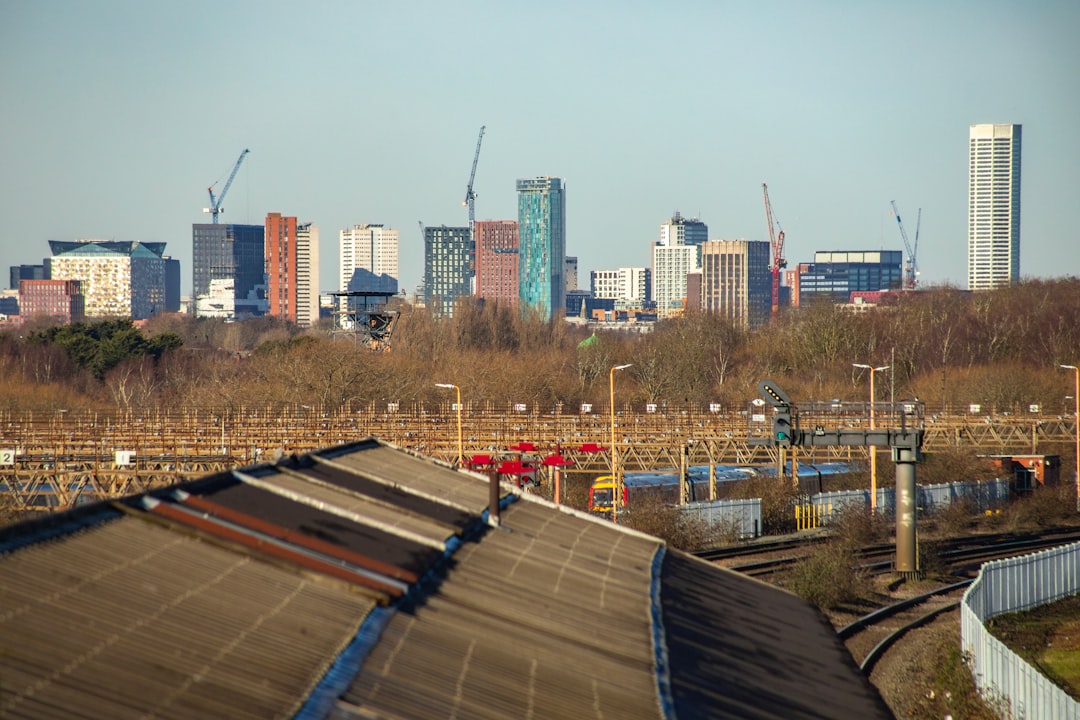
That’s not just an environmental imperative. It’s an economics story. Investors who spot the patterns early tend to win.
Future Sustainable Infrastructure Investments: The Private Capital Explosion
Here’s what changed. In 2025, global infrastructure fundraising reached a record of nearly $200 billion, surpassing the previous high of $180 billion in 2022. Let that sink in. The largest year on record—and then they broke it.
Private finance is becoming increasingly important given that public finances alone are insufficient to bridge the funding gap, with a notable increase in infrastructure investments among pension funds, insurance companies, sovereign funds, foundations and endowments that are seeking long-term and stable returns. Copenhagen Infrastructure Partners, Brookfield Renewables, and JP Morgan Sustainable Infrastructure are the heavy hitters, but there’s capital flooding into everything from micro-hydro projects in Nepal to offshore wind in the North Sea.
Why? These funds offer 8-15% returns with low correlation to stocks amid volatility. That’s almost boring compared to venture capital, but for a pension fund manager sleeping at night—it’s exactly what they want.
The data backs it up. Global private investment in infrastructure was ‘greener’ than ever in 2021, reaching a share of 60% of total private investment in infrastructure, with the increase in green investment mostly in sectors beyond renewables.
The Three Money Flows You Actually Need to Know
Pay attention to these. They define the landscape in 2026.
1. Public-Private Partnerships (PPPs) — Project finance in public-private partnerships, where the public sector serves as the principal and the private sector as the operator, has become a more prevalent form of funding for infrastructure projects worldwide. This is how Philadelphia gets its stormwater retrofits done. This is how a city in Nigeria builds a renewable microgrid.
2. Green Bonds and Loans — In 2021, 20% of private investment in infrastructure projects was financed either by a green bond or a green loan, with this sustainable financing share being more than double the average sustainable financing share in the five years before 2021. By 2026, that percentage has climbed even higher.
3. Blended Finance — This is the unglamorous hero. A blended finance approach could help the world manage and mitigate the impact of extreme weather events while supporting long-term value and stability. Basically, development banks take on the riskier first-loss tranches so private investors can sit comfortably in the middle.
Power, Data Centers, and the AI Spike
Let me tell you something nobody wants to admit: the data center boom is eating a chunk of energy capacity that renewable builders weren’t expecting.
As AI adoption explodes, there is a short, highly capital-intensive data center build out phase, with investment jumping 116% between 2024 and 2027, though like the build out of railroads or fiber optics, this frenzy of activity eventually moderates in the 2030s and beyond, with cumulative data center investment potentially hitting $1.4 trillion by 2050.
The catch (and there’s always a catch). Global spending on data center construction reached US$61B in 2025, though these facilities consume significant water and electricity, with a 1 MW data center using 25MM liters of water annually and water stress expected to affect 45% of existing sites by 2050, making sustainable “green” data centers powered by renewables and advanced cooling technologies critical in 2026.
So the real future sustainable infrastructure investments game? Building data centers that don’t drain aquifers or require coal plants to stay operational. Energy and digital intersect for data centers, with multiple large funds raised with clear mandates to invest in both data centers and supporting power infrastructure, given the criticality of power access.
I once spent three weeks trying to figure out why a supposed “green” data center deal in Southeast Asia didn’t pencil out. Turns out, the solar farms they planned weren’t on the grid yet. The facility was going to burn diesel for 18 months before they could flip the switch. No one was being dishonest—they just hadn’t thought through the sequencing. That’s the kind of detail that separates real projects from greenwashing.
Where the Money’s Actually Going (And Where it Isn’t)
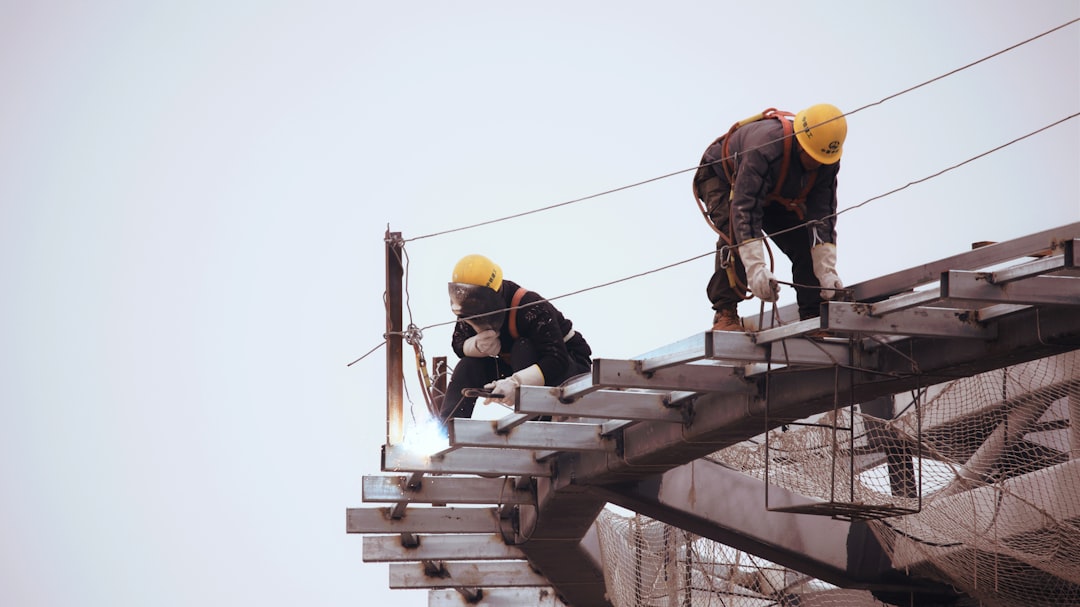
Energy and transport are the gravitational centers. Transport and power will continue to be the biggest areas of investment, accounting for about half of global infrastructure spending to 2050, with annual spending on both rail and airport infrastructure nearly doubling from 2024 levels, and annual spending on power infrastructure increasing from US$631 billion in 2024 to US$1.1 trillion in 2050.
But the geography matters. Asia-Pacific will account for more than half of global infrastructure investment through 2050, Africa will record the fastest growth, and Europe and North America will go through a cycle of renewal.
Government spending patterns in 2025-2026 tell the story too. The largest share of government spending on energy flowed to power generation and grid infrastructure, more than doubling since 2015 and reaching USD 135 billion in 2025, though recent years have seen declines in spending locally, largely driven by shifts towards market-based mechanisms, with China reducing its renewables subsidies and phasing out feed-in tariffs for new projects in 2025, Germany’s budget position paused in 2022 and 2023, and the United States enacting legislation in July 2025 to end its solar and wind tax credits for new projects starting in 2026, while the United Kingdom allocated an all-time high allocation to the Low Carbon Contracts Company, managing the contract-for-difference in the country, with USD 56 billion in 2025 alone.
Translation? The subsidy era is ending. Market mechanisms—auctions, competitive bidding, performance contracts—are the future. That changes who wins and who loses.
The Standardization Headache (And Why it Matters to You)
Here’s the friction point in the market right now. Numerous definitions, data standards, and tools for assessing sustainable infrastructure investments have been developed in recent years leading to a proliferation of ESG approaches for infrastructure, with the subsequent increase in cost and complexity spurring harmonisation efforts worldwide, as investors are calling for better comparability between approaches to provide greater clarity around risks and minimise greenwashing.
In 2026, this is actually getting clearer. The updated FAST-Infra Label Framework V2 features streamlined indicators, enhanced guidance, and improved SDG alignment, and supports resilient, sustainable infrastructure and helps mobilise private capital. That’s not sexy, but it’s critical. You can’t deploy capital efficiently if you can’t compare apples to apples.
Frequently Asked Questions
What is the Difference Between Future Sustainable Infrastructure Investments and Regular Infrastructure?
Future sustainable infrastructure investments prioritize environmental resilience, climate adaptation, and long-term social impact alongside economic returns. Sustainable infrastructure focuses on projects that deliver essential services while prioritizing environmental resilience, social impact, and long-term economic stability—such as renewable energy, efficient water systems, green transport, and climate-adaptive buildings. Regular infrastructure may not optimize for these outcomes.
How Much Capital is Currently Deployed in Future Sustainable Infrastructure Investments Globally?
The total market value of infrastructure assets under management grew rapidly from USD170bn in 2010 to USD1tn in 2021, indicating that private investors continue to increase allocations of capital to infrastructure assets. By 2026, private capital deployment has accelerated well beyond those figures, with record fundraising last year.
What are the Best Sectors for Future Sustainable Infrastructure Investments Right Now in 2026?
The hottest sectors are renewable energy and grid upgrades, data center infrastructure (with a green energy requirement), water systems, and digital connectivity in emerging markets. Soaring renewables investment and grid upgrades are emerging as key trends for 2026, driven by energy transition demands and data center growth. Also worth watching: adaptation finance in vulnerable regions and resilient transport systems.
Why is There Still an Investment Gap in Future Sustainable Infrastructure Investments if Capital is Available?
The gap isn’t capital scarcity—it’s bankability. The project preparation stage of an infrastructure project is critical to ensuring its long-term viability, quality and bankability, with the lack of capacity and capability for project preparation being a barrier to attracting greater private sector investment in infrastructure, particularly in emerging economies. Many good projects never get off the ground because they’re not investment-ready.
How do I Evaluate Whether a Future Sustainable Infrastructure Investment is Legitimate or Just Greenwashing?
Dig into the fine details: power sources, water usage, community benefit agreements, third-party certifications, and timeline. The FAST-Infra Sustainable Infrastructure Label is a globally applicable label for projects demonstrating significant positive sustainability performance, so check whether a project carries that kind of independent verification. If the numbers don’t align—if renewable energy isn’t actually connected, if promised jobs don’t appear—it’s a red flag.
The Real Take
Future sustainable infrastructure investments aren’t coming in the next decade. They’re happening now, in 2026, at scale. Private capital will be essential to help meet the $106 trillion needed for global infrastructure investments through 2040.
The shift toward actually building this stuff—not just talking about it—is reshaping capital markets. Pension funds are rebalancing toward infrastructure. Development banks are learning to mobilize private money without absorbing all the risk. Governments are stepping back from subsidies and stepping into policy frameworks that make markets work.
What you do with this information depends on who you are. If you’re an institutional investor, the conversation has moved past “should we allocate to infrastructure?” to “which infrastructure, in which regions, with which partners?” If you’re a city planner, you now have more private capital willing to finance resilience projects—but only if you can package them professionally. If you’re an entrepreneur or an engineer, this is the biggest opportunity window you’ve seen in your career.
The real takeaway: future sustainable infrastructure investments will be the defining capital market story of the next 20 years. The winners will be those who move past the conversation stage and into deal execution—messy, complicated, real-world execution.
Disclaimer: This article is for general informational purposes and is not financial or investment advice. Markets, products, tax rules, and regulations vary by country and change frequently. Consult a licensed financial advisor, qualified investment professional, or other relevant licensed expert in your jurisdiction before making any investment, lending, insurance, or tax-planning decision.
