

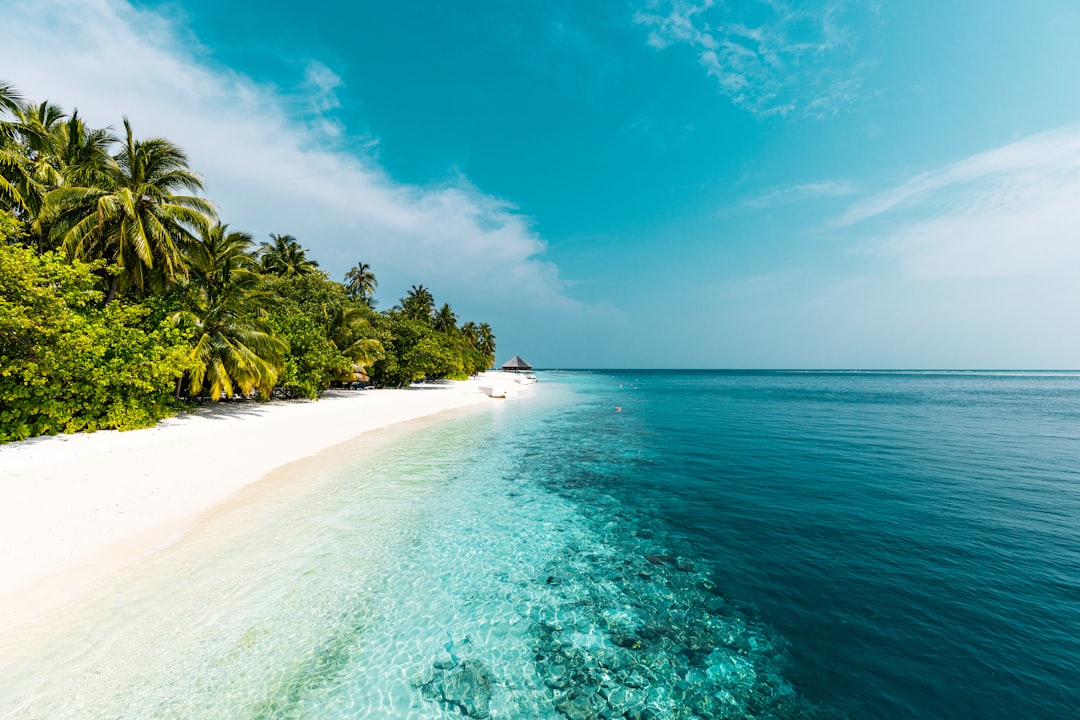
The rise remote island tourism is reshaping how affluent travelers spend their money—and where they’re willing to fly to find it. We’re not talking about Cancún or Miami. We’re talking about places that require ferries, small planes, and actual effort to reach. Places where quiet is the whole point.
Travelers are exhausted. Not travel-tired—exhausted by travel the way it used to happen. The all-inclusive mega-resort model? Done. The Instagram-famous beach packed with influencers and day-trippers? Absolutely not. “Quiet luxury” is now the dominant design and experience philosophy shaping travel in 2026. Travelers are moving away from flashy resorts toward understated, refined environments that feel personal and restorative.
This shift isn’t a blip. Private islands and remote resorts are trending in 2026 because they offer something increasingly rare: space, quiet, and the ability to fully unplug. And the numbers back it up: the rise remote island tourism is happening across multiple regions simultaneously, from the Caribbean to the Indian Ocean to Australia.
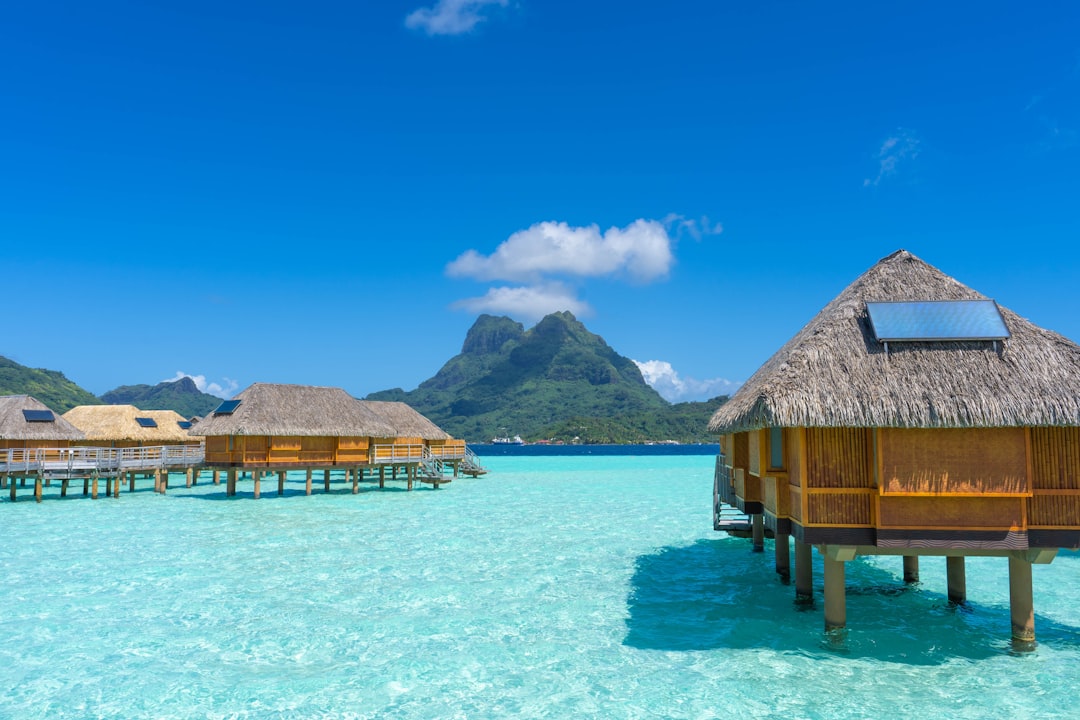
The Rise Remote Island Tourism is Driven by High-Spend Travelers, Not Crowds
Here’s the thing about luxury tourism in 2026: fewer people are traveling, but they’re spending way more money when they do.
Hawaiʻi is drawing slightly fewer monthly visitors than a year ago, but those visitors are spending more each day. Average per-person daily spending reached $278 in April 2026, up 14.1% from April 2025. That’s not a typo. Visitors are paying nearly 15% more per day while total arrival numbers stay flat or dip.
The rise remote island tourism reflects a fundamental shift in what “luxury” even means anymore. It’s no longer about size. It’s about scarcity. If there is one defining luxury trend of 2026, it is space. Not the theatrical kind – vast lobbies or oversized resorts – but personal space. Distance. Breathing room. The ability to be alone without feeling isolated. This is why destinations where space is built into geography are outperforming almost all others.
On May 7, 2026, new data revealed that the island has achieved a massive 38% surge in visitor numbers during the first four months of the year, putting it on a clear path to exceed 8.5 million annual arrivals. That’s Phu Quoc, Vietnam—once a domestic afterthought, now a global phenomenon. In April 2026 alone, the island recorded 895,000 tourists, with 187,000 originating from international markets. High-Growth Markets: India leads the surge with a 30% increase, followed by China (+26%), South Korea (+25%), and Malaysia (+20%).
But this is the paradox: the rise remote island tourism is exploding precisely because travelers want escape from exploding tourism. Higher-income visitors are willing to pay premium prices to avoid crowds. Which creates a weird tension—the most exclusive places are becoming less exclusive as money floods in.
The Wellness Reframe: Why Islands Became Therapy
Nobody books a remote island to watch Netflix.
Wellness is no longer an amenity — it is now a primary reason people choose where to travel. Travel is increasingly viewed as a form of preventative health and life maintenance, not just recreation. The rise remote island tourism happens because islands work as natural wellness destinations. No commute anxiety. No city noise. No option to scroll through your work emails (well, if the Wi-Fi cooperates).
I know a guy in San Francisco who said he wanted to stay at a Four Seasons with a full spa menu. Canceled, rebooked at a place where the internet is spotty and the “spa” is a yoga mat on the beach. He wasn’t exaggerating when he said it changed his sleep for two months after he got back.
Wellness is evolving beyond spa menus into sleep quality, movement, and true rest. At its core, luxury travel in 2026 is about feeling better during the trip and after you return home. This is why the rise remote island tourism isn’t just about vacation days. It’s about nervous-system repair. In a world of constant stimulation, quiet has become one of the most coveted luxuries. Travelers are seeking properties that prioritize calm, design-forward wellness resorts, nature-immersed lodges, and hotels where silence is respected, not filled. This is about nervous-system recovery as much as it is about escape.
Properties are responding. Bulgari Resort Ranfushi Maldives will open in late 2026 as the tenth Bulgari hotel and the second Bulgari resort, after the Bulgari Resort Bali. Located in Raa Atoll (also home to Joali and Joali Being), there will be 54 accommodations, designed by Antonio Citterio Patricia Viel Architects. Bulgari—a brand known for watches and jewelry—doesn’t open resorts in remote atolls unless they’ve done their homework. The market is there.
The Rise Remote Island Tourism Means Infrastructure Gets Real (Or Doesn’t)
Honestly, this part gets complicated. The rise remote island tourism sounds romantic until you’re waiting for a ferry that left an hour ago and won’t run again until tomorrow.
New direct flight routes from Beijing, Shanghai, Guangzhou, Seoul, and Moscow are driving the international influx. Strategic Infrastructure: Growth is anchored by the expansion of Phu Quoc International Airport and the development of world-class luxury resorts and theme parks. Phu Quoc learned that you can’t drive international visitor surge without the flights to support it.
But infrastructure investment isn’t universal. In 2026, this remote Australian paradise is bracing for a tsunami of international arrivals as major carriers race to expand capacity to South Australia’s fastest-growing destination. They’re connecting the world directly to Kangaroo Island’s wildlife experiences and conservation-focused eco-lodges. Qantas, Air New Zealand, and Virgin Australia—the carriers themselves—are betting money that Kangaroo Island can absorb demand.
The Maldives? It’s still holding strong. Contrary to the viral narrative, the latest official statistics from the Ministry of Tourism and Environment in the Maldives reveal that tourism in 2026 has been resilient. As of 1 April 2026, the Maldives recorded 653,513 international visitor arrivals — a modest increase of 0.7% compared with the same period in 2025. (Yes, viral videos claimed the Maldives was “90% empty.” They were wrong.)
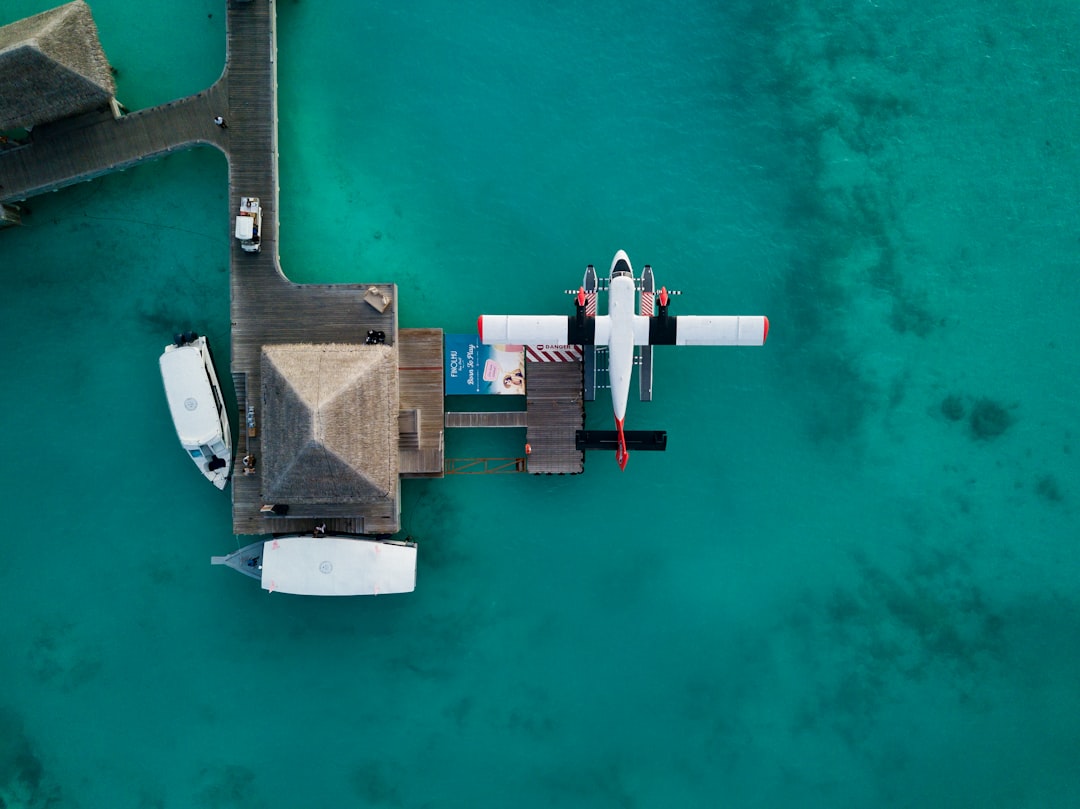
Private Islands Aren’t Just for Billionaires Anymore (But They’re Still Expensive)
The rise remote island tourism isn’t always about tiny boutique places anymore. Serious hotel groups are placing bets.
Private islands are emerging as the ultimate luxury travel experience in 2026. With the growing desire for complete privacy and seclusion, destinations like the Maldives and Fiji are leading the way in offering exclusive, ultra-luxurious island escapes. But here’s where it matters: On March 10, 2026, industry experts reported a surge in bookings for luxury resorts across the Caribbean, with destinations like the Bahamas, Barbados, and Jamaica leading the charge.
The Caribbean isn’t waiting. High-profile hotel chains, including Ritz-Carlton and Aman Resorts, are investing millions in new developments and renovations. Ritz-Carlton recently announced plans to expand its footprint in the Caribbean, with new resorts scheduled to open in St. Lucia and the Turks and Caicos Islands by 2027.
I stayed at a private island property once that cost $3,500 per night for a villa (minus the wine, the transfers, the boats, the everything). Totally worth it. Also—and I’ll be honest here—only accessible if you have that kind of flexibility in your budget. The rise remote island tourism is happening, but it’s not democratizing. If anything, it’s doing the opposite. We’re seeing growing demand for privacy-first stays like villas, low-density resorts, and private islands. That demand is real, and pricing reflects it.
Sustainability???the Asterisk Nobody Wants to Talk About
The rise remote island tourism sounds great until you realize it depends on flying people thousands of miles.
Sustainability is another key trend emerging in the Caribbean resort market. Resorts are increasingly adopting eco-friendly practices, including solar energy systems, waste reduction programs, and sustainable farming initiatives. Properties like Bawah Reserve in Indonesia? The entire resort was built sustainably, using no heavy machinery and featuring bamboo and recycled materials woven throughout the design.
That’s admirable. But let’s be real—carbon footprint calculators don’t look great when a guest flies 18 hours from London to a remote island. The math works better if you stay longer (two weeks instead of four days) and you stay less often. The best environmental choice for island tourism is no tourism. The second-best choice is high-price, low-volume tourism, which is what the rise remote island tourism actually delivers.
Mostly. The quality varies wildly by property.
Frequently Asked Questions
What is the Rise Remote Island Tourism and Why is it Happening Now?
The rise remote island tourism reflects a shift in luxury travel priorities toward privacy, wellness, and escape from crowds. Travelers are spending more per day but visiting fewer destinations. High-end properties and infrastructure investment (airports, direct flights, new resorts) have made remote islands more accessible to international visitors in 2026, while the post-pandemic focus on health and mental wellness has made island retreats more appealing.
How Much does Rise Remote Island Tourism Actually Cost?
Pricing varies dramatically. A luxury island resort in the Caribbean or Indian Ocean runs $2,000–$5,000+ per night for a villa, often with additional costs for meals, transfers, and activities. Wellness-focused properties command higher rates. Meanwhile, destination costs for flights, travel insurance, and longer stays add thousands more. The rise remote island tourism is accessible primarily to high-net-worth and upper-middle-income travelers.
Is Rise Remote Island Tourism Sustainable?
It’s complicated. While many properties implement eco-friendly systems (solar, waste reduction, sustainable food sourcing), the carbon footprint of international air travel remains the biggest environmental cost. Longer stays (2+ weeks) and less frequent visits improve the math. Some resorts, like Bawah Reserve, prioritize regenerative building practices, but the rise remote island tourism inherently relies on long-distance travel.
Where are the Best Remote Island Destinations for Rise Remote Island Tourism in 2026?
Top destinations include the Maldives (resilient despite viral rumors), the Caribbean (Bahamas, Turks and Caicos, St. Lucia), Seychelles, Mauritius, Fiji, and emerging spots like Mozambique and Phu Quoc, Vietnam. Australia’s Kangaroo Island is also seeing explosive demand. Choice depends on budget, travel time tolerance, and whether you prioritize beach, wildlife, or wellness experiences.
Why are Airlines and Hotel Groups Expanding Capacity for Rise Remote Island Tourism?
Demand is real and growing. Airlines like Qantas and Air New Zealand see revenue opportunities from international leisure travelers who want premium, longer stays. Hotel groups (Ritz-Carlton, Four Seasons, Aman) are investing because luxury travelers spend 14%–19% more per day than average visitors—and they book entire villas for weeks or months, generating consistent high-value revenue.
The Real Takeaway
The rise remote island tourism is happening, and it’s not a trend that’s going away in 2026 or beyond. It’s a permanent reset in what luxury travelers actually value. Quiet beats noise. Space beats spectacle. A week on a private island beats ten days bouncing between tourist attractions.
The catch? It’s expensive. It requires time. And it inherently excludes people who don’t have either. The rise remote island tourism is real for a segment of travelers—probably not you if you’re balancing a mortgage and a kid’s college fund. But if you’re in that high-income tier and you’re burned out on the standard resort circuit, this is your moment. Book early. The premium accommodations are filling fast, occupancy rates are climbing into the 60–70% range, and the window to feel like you’ve discovered something undisturbed is narrowing with each booking.
