

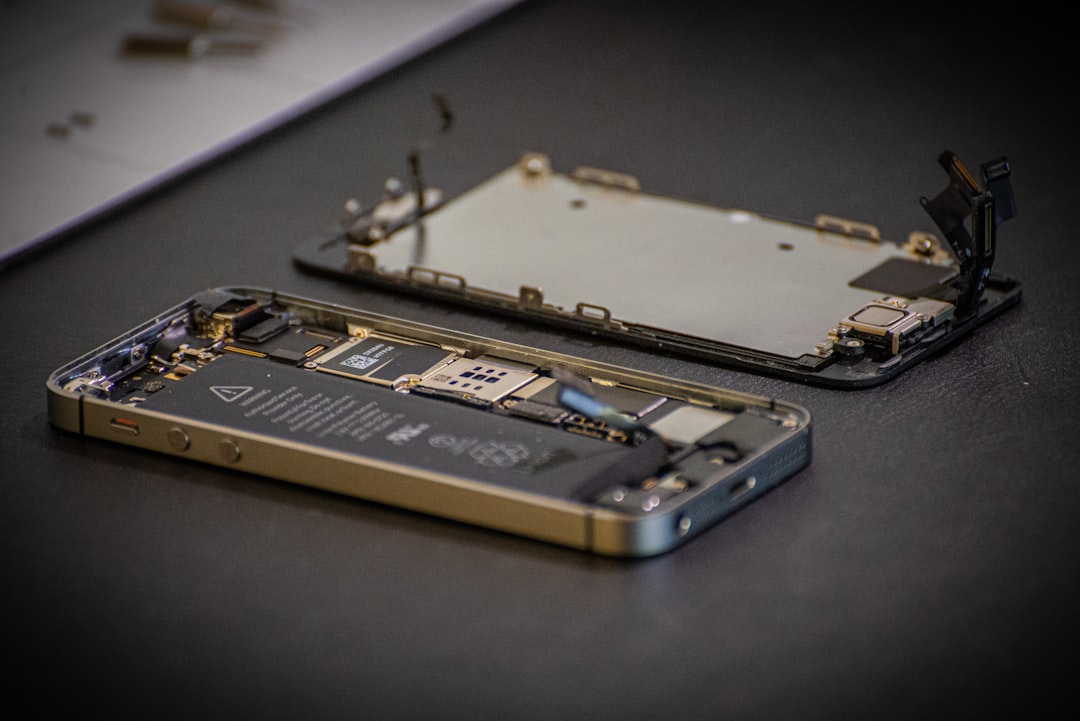
The repair revolution you’re hearing about isn’t hype. Texas’ Right to Repair law goes into effect September 1, 2026, and it’s one of at least seven states now forcing manufacturers to rethink how they build phones, laptops, and tablets. Repairable electronics consumer technology isn’t some niche movement anymore—it’s reshaping how the entire industry operates. Companies are scrambling. Legislation is multiplying. And your next phone might actually be fixable without a $400 visit to an authorized repair shop.
Here’s what’s really driving this shift: consumers are fed up, regulators are moving, and manufacturers are discovering that designing for repair isn’t a cost center—it’s a market advantage.
The Right-To-Repair Movement is Finally Reaching Mainstream Momentum
Five years ago, right-to-repair talk lived in Reddit forums and specialized tech blogs. Today, it’s bipartisan. The largest small business lobby in the U.S., the NFIB, says 89% of its members support right-to-repair legislation, making it a top legislative priority for 2026.
This isn’t about hobbyists tinkering with circuit boards anymore. The right-to-repair movement centers on whether consumers and independent repair shops should have the same access to diagnostic tools, replacement parts and repair information as authorized dealerships. When John Deere farmers couldn’t fix their own tractors without dealer permission, they got angry. When Apple glued screens into phones, people noticed. In April 2026, farm equipment maker Deere & Co. inked a US$99 million settlement in a class action suit over its prohibition on independent repairs to its increasingly high-tech equipment – another win for the movement.
That settlement mattered. It showed manufacturers could lose money fighting consumers who wanted to fix their own stuff.
Why Repairable Electronics Consumer Technology Market is Expanding Rapidly
The numbers speak for themselves. The Global Smartphone Repair Market Size is projected to grow from USD 18.4 Billion in 2025 to USD 38.6 Billion by 2035, at a CAGR of 7.7% during the forecast period 2026–2035. That’s genuine growth, and it’s happening right now.
The smartphone repair services market is estimated to be valued at USD 24.5 billion in 2026 and is expected to reach USD 41.8 billion by 2033, growing at a compound annual growth rate (CAGR) of 8.5% from 2026 to 2033. Independent repair shops are opening faster than Starbucks franchises. Third-party parts suppliers are thriving. Global market expansion is driven by the increasing adoption of smartphones worldwide, rising device replacement costs, growing consumer preference for repairing rather than replacing devices, expansion of third-party repair services, and increasing demand for sustainable electronic waste management solutions.
The catch? This growth means nothing if the devices themselves remain impossible to open.
How Legislation is Actually Forcing Repairable Electronics Consumer Technology into Existence
You can’t talk about repairable devices without acknowledging what’s happening at the state level. Advocates hope a wave of laws newly enacted in 2026 will boost momentum for repair bills addressing consumer electronics, wheelchairs, farm equipment and vehicles.
Here’s the practical reality: Effective January 1, 2026, original manufacturers must provide independent repair providers and product owners with access to parts, tools, and documentation necessary for the diagnosis, maintenance, and repair of digital electronic products in Washington. California, Colorado, Minnesota, Connecticut and Oregon have all passed comprehensive right-to-repair regulations. Washington joined them most recently in May 2025.
Companies that laughed off repair requirements three years ago are now building repair directives into product roadmaps. The 2026 template reinforces and expands the 2025 prohibition on parts pairing by clarifying that manufacturers may not use software-based restrictions to limit access to parts or tools, or to control who is permitted to perform repairs.
This is what regulatory power looks like. When you can’t sell a product in California without making it repairable, you redesign it globally. You don’t print two versions.
The Devices Manufacturers are Actually Building Right Now
The transformation is visible. By 2026 the repairability landscape is unmistakable: Fairphone leads as the clear winner with a perfect iFixit-style 10/10 repairability (the Fairphone 6 is repeatedly cited as the only phone with a 10/10 score), while mainstream flagships from Motorola, Google, Samsung and Apple sit behind. Not behind by much anymore.
HMD (formerly the maker of Nokia phones) has democratized repairability with the Fusion. Aimed at the youth market and budget-conscious buyers, it features a “QuickFix” design. You can replace a smashed screen or a depleted battery in less than 10 minutes. That’s not a luxury—that’s becoming table stakes.
The innovation is real. The most significant trend of 2026 is the disappearance of permanent adhesives in favor of pull-tabs and “electric debonding” glue. Apple, which once seemed allergic to repairability, even moved. Apple’s inclusion here is the biggest surprise of 2026. Bowing to regulatory pressure, the iPhone 17 introduces Electrically Induced Adhesive Debonding.
I spent three hours trying to replace a battery in a 2023 flagship phone once. Spent another three on the phone with a technician. Now? Swappable modules mean you do it in ten minutes. That matters to how you actually live with your device.
Why Sustainability Metrics are Redefining Repairable Electronics Consumer Technology
You can’t separate repair from environmental impact. European Union regulations rolling out in 2025, 2026 now require clear repairability labels on smartphones and tablets sold across the bloc. France’s repairability index system mandates the display of repair scores at the point of sale.
This isn’t feel-good marketing—it’s hard numbers. Right-to-Repair activism has prompted longer post-sale spare-part availability requirements (e.g., 5+ years in some markets).
The environmental calculus is simple: keeping a phone in use for five extra years cuts e-waste dramatically. Every year you extend device lifespan through repair is a year you don’t mine rare earth minerals or produce manufacturing emissions. That becomes a real selling point when competitors are required to publish their repairability scores at checkout.
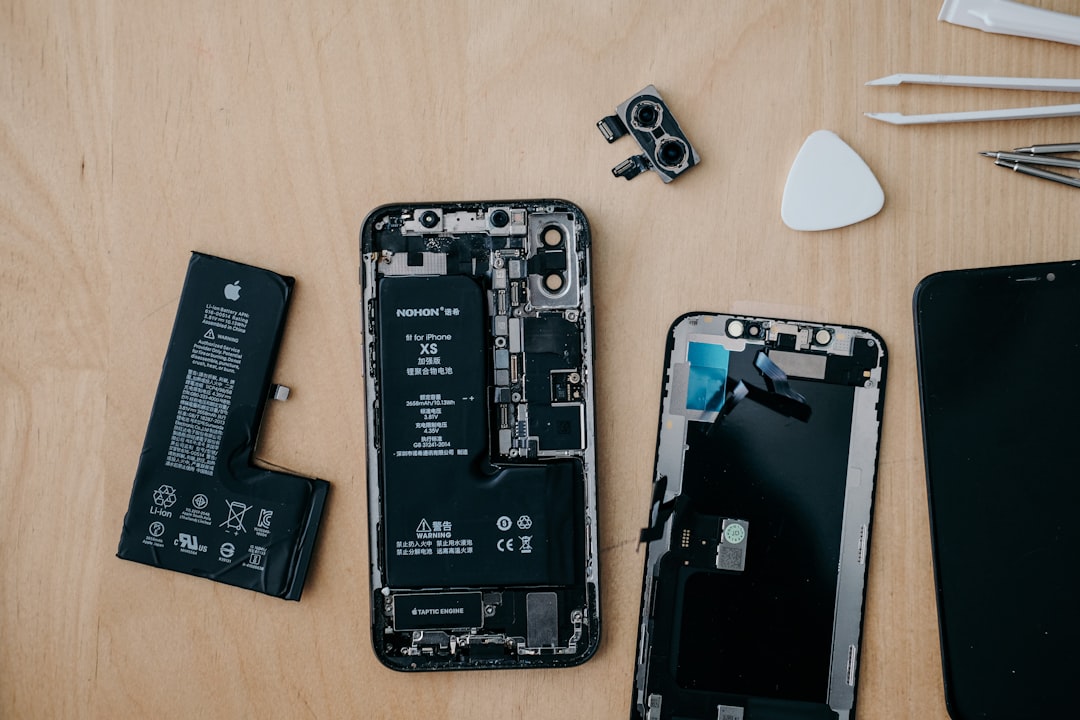
What Independent Repair Shops Actually Expect in 2026
For years, independent repair techs were fighting manufacturers. Now they’re watching the industry pivot toward them. In 2026, repairability is becoming a major selling point for smartphones. For independent repair shops, wholesalers, and DIY users, this trend represents a massive opportunity.
Repair shops are hiring. They’re expanding locations. They’re training staff in modular phone repairs. The business model works when customers can actually fix devices without manufacturer lockdown.
But here’s the tension: mainstream flagships still hover around the middle of the repairability scale. Most flagship smartphones still average between 5–7/10 on repairability by industry teardown standards. You get choice now, but you have to make the choice. It’s not automatic.
Frequently Asked Questions
What does Repairable Electronics Consumer Technology Actually Mean for a Typical Consumer?
Repairable electronics consumer technology means your phone, laptop, or tablet can be opened, fixed, and serviced without voiding your warranty or being locked to manufacturer-approved repair shops. You can swap a battery yourself, get a screen fixed by any qualified technician, and keep using your device for years instead of replacing it every two years. No more artificial obsolescence disguised as innovation.
Are Repairable Electronics Consumer Technology Products Actually Cheaper than Their Non-Repairable Alternatives?
Sometimes. Upfront prices for repair-focused phones like Fairphone are often higher than mainstream flagships. But you extend device lifespan significantly, which means lower total cost of ownership. Individual repairs (screen, battery) cost less when parts are standardized and widely available. Over five years, repairability typically wins on cost, even if the initial purchase is $100 more.
Will Repairable Electronics Consumer Technology Actually Stop E-Waste?
Not single-handedly. But yes—meaningfully. Every year a device stays in use instead of being landfilled cuts manufacturing emissions substantially. Repair legislation requiring longer parts availability (5+ years) is already driving e-waste reduction. It’s one lever among many, but it works.
What does the Future of Repairable Electronics Consumer Technology Look Like After 2026?
Expect modular designs to become standard across price points, not just luxury or niche brands. Software locks will face tighter regulatory scrutiny. Manufacturers will compete on repairability ratings (now required in Europe). Independent repair shops will become more legitimate and accessible. The disposable flagship is dying.
Can I Actually Repair My Phone Myself if It’s Designed to be Repairable?
Yes. Repair-focused devices like Fairphone 6 and HMD Fusion are built for user repair. Most flagships now have removable battery modules. iFixit publishes official repair guides. YouTube tutorials exist. You don’t need specialized certification to replace a battery or screen anymore—just basic tools and 20 minutes. That’s the whole point.
The Real Takeaway: You Actually Have a Choice Now
Repairable electronics consumer technology is returning not because manufacturers suddenly cared about sustainability. They’re returning because regulators are forcing them and because consumers proved they’d choose longevity over the latest incremental update.
In August 2026, you don’t have to buy a sealed, unrepairable flagship. You can buy a Fairphone with genuine repairability. You can buy a Google Pixel with better repairability than two years ago. You can buy an HMD Fusion modular device that’s actually fun to keep around.
Are all devices perfect? No. Do I wish every manufacturer moved this fast? Absolutely. But the needle has moved—genuinely. The disposable phone era is ending. Not because it’s trendy. Because it’s now legislated, profitable, and what people actually want.
Your next device should last longer. And this year, that’s finally not a radical ask.
